The cabinet has been dismissed due to a political split, increasing economic pressures, and stalled discussions regarding IMF funding in Senegal.
Senegal’s president has dismissed Prime Minister Sonko and dissolved the government following months of tension.
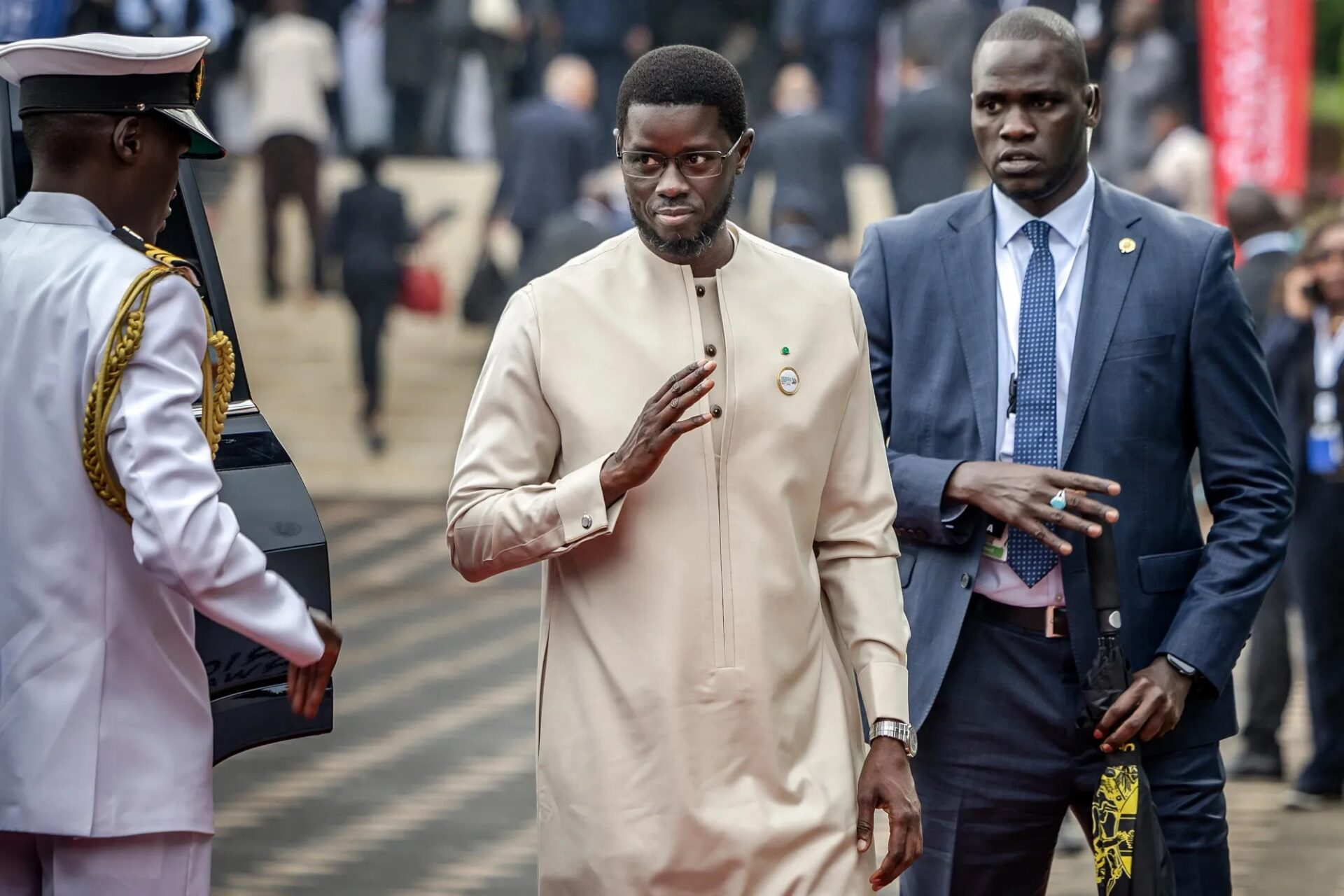
Senegal President Bassirou Diomaye Faye, on Friday, dismissed Prime Minister Ousmane Sonko and dissolved the government, a decision that threatens to exacerbate the uncertainty in a nation already facing a debt crisis and prolonged negotiations with the International Monetary Fund.
A statement released by state media indicated that all ministers have been dismissed, with the outgoing government assigned to manage daily affairs, as stated by Oumar Samba Ba, secretary-general of the presidency.
The decision, as reported by Reuters, came after months of escalating tensions between the two allies who have now become rivals.
Sonko, a charismatic figure with a robust youth following, supported Faye in the 2024 election after being prohibited from running himself due to a defamation conviction.
neighborhood,”In a social media post following the announcement, Sonko stated, “Tonight I will sleep with a light heart in the Keur Gorgui neighbourhood,” alluding to his home.
The division arises as Senegal confronts increasing economic strain. The International Monetary Fund (IMF) has suspended its $1.8 billion lending program with Senegal due to the revelation of misreported debt, resulting in an anticipated debt level of 132 percent of the country’s economic output by the end of 2024.
Faye’s move raises the chances of further delays in securing a new agreement with the IMF, which is crucial for revitalizing the economy.
Earlier on Friday, prior to Sonko’s dismissal, Finance Minister Cheikh Diba informed parliament that Senegal anticipates resuming discussions with the IMF during the week of June 8 and aims to finalize an agreement on key points by June 30.
Diba also cautioned that the nation’s fuel subsidy bill might surpass its 2026 budget allocation by as much as 1.15 trillion CFA francs ($2 billion) if oil prices increase to $115 per barrel, noting that Sonko had declined his request to raise fuel prices.
Sonko opposed any restructuring of the debt, estimated at $13 billion, which he claimed the IMF was advocating, while Faye has been less vocal on the matter.
Sonko was a prominent opposition leader during the previous administration of President Macky Sall, whose choice to postpone the 2024 election incited unrest.
Faye and Sonko, both former tax officials, were incarcerated in anticipation of the 2024 election. They were released 10 days prior to the rescheduled contest, which Faye ultimately won with 54 percent of the vote. Faye subsequently appointed Sonko as prime minister.
With Sonko no longer in that position, his future actions remain uncertain.
In March, he expressed his readiness to withdraw his Pastef party from the government and revert to opposition should Faye deviate from the party’s agenda, igniting speculation that the power struggle between the two men was insurmountable.
Pastef holds a dominant position in the National Assembly, which may complicate governance and hinder the passage of necessary reforms to obtain IMF support.
Last month, lawmakers approved changes to the electoral code with overwhelming support, potentially allowing Sonko to run for president in 2029.
One of the signature initiatives of the anti-establishment, pan-Africanist prime minister was an audit of Senegal’s resource deals, which included those related to its emerging oil and gas sector.
In March, Sonko announced that a BP gas contract for the Greater Tortue Ahmeyim project was unjust and rescinded approximately 71 mining licenses.
He contended that renegotiating oil and gas contracts would reduce domestic energy prices and assist in restoring Senegal’s struggling finances.