 "Where Africa Comes to Stay Informed."
US Edition
"Where Africa Comes to Stay Informed."
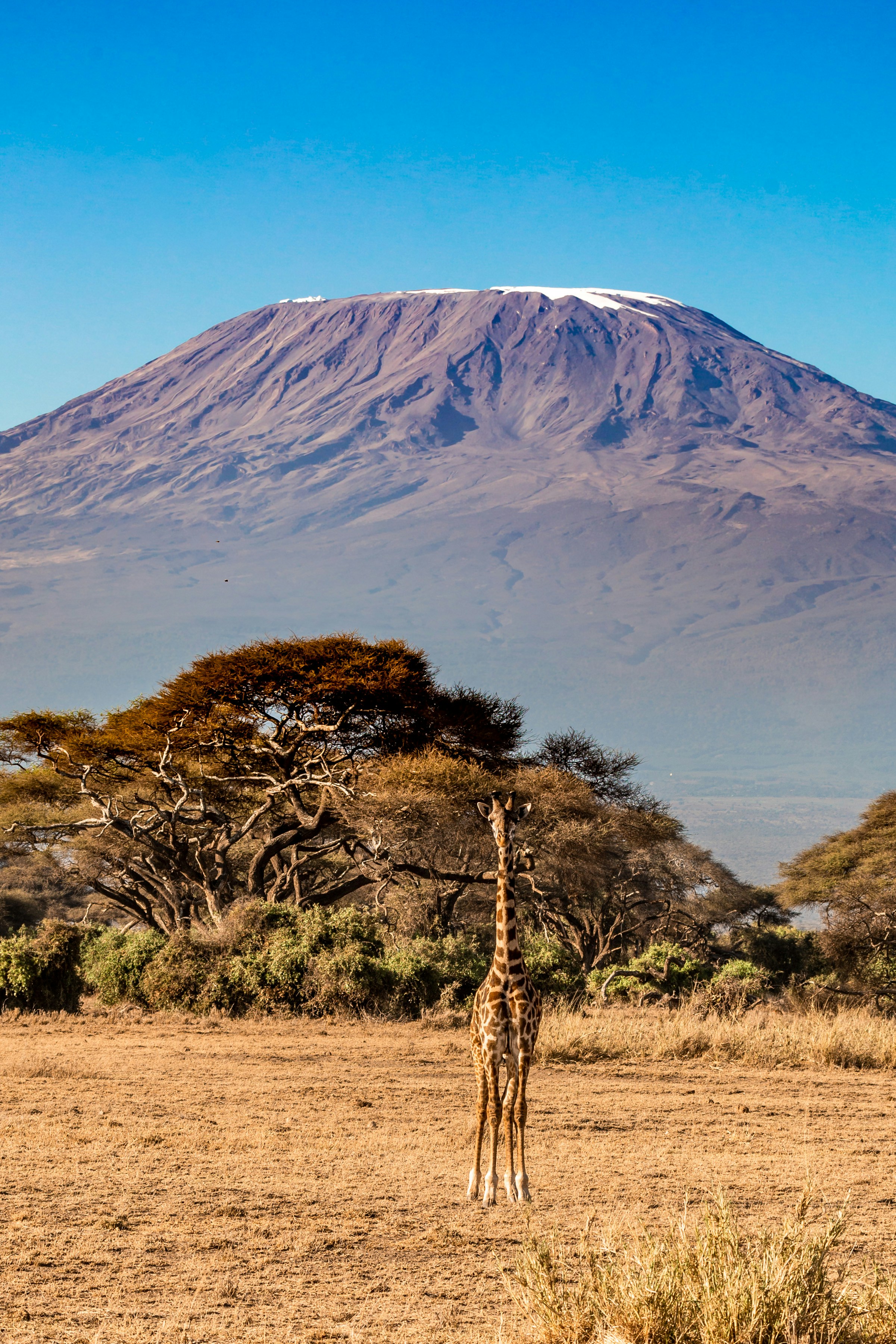
Rising dramatically above the plains of northern Tanzania, Mount Kilimanjaro is one of Africa’s most iconic natural landmarks and a dream destination for adventurers from around the world.
At approximately 5,895 metres above sea level, Mount Kilimanjaro is Africa’s highest mountain. Its snow-capped summit, diverse landscapes and challenging hiking routes make it one of Tanzania’s most famous attractions.
Mount Kilimanjaro is a free-standing volcanic mountain made up of three main volcanic cones: Kibo, Mawenzi and Shira.
Kibo is the highest of the three and is home to Uhuru Peak, the mountain’s highest point.
Unlike many of the world's highest mountains, Kilimanjaro does not require technical climbing equipment for the standard trekking routes. However, reaching the summit is still physically demanding and requires preparation, acclimatisation and experienced guides.
One of the most remarkable features of a Kilimanjaro trek is the dramatic change in scenery as you climb.
The journey can take travellers through several ecological zones, beginning in cultivated areas and forests before progressing through moorland, alpine desert and eventually the high-altitude summit zone.
Each stage offers a completely different environment, making the journey as memorable as the destination.
For many climbers, the ultimate goal is Uhuru Peak, the highest point on Mount Kilimanjaro.
Reaching the summit provides breathtaking views across the surrounding landscape and a tremendous sense of achievement.
The final section of the climb is particularly demanding because of the altitude and cold conditions. Proper preparation and allowing enough time to acclimatise are important parts of a safe trekking experience.
Several established routes lead toward the summit, each offering a different experience.
Popular options include the Marangu, Machame, Lemosho, Rongai and Northern Circuit routes.
The routes vary in scenery, duration and difficulty. Travellers should choose an itinerary that matches their experience, fitness and the amount of time available.
A Kilimanjaro adventure can also provide an opportunity to experience the culture of communities living around the mountain.
The region is home to the Chagga people, whose communities have a long history in the foothills of Kilimanjaro.
Visitors can explore local villages, learn about traditional farming and discover some of the cultural heritage of the area.
Kilimanjaro can be climbed during different periods of the year, but weather conditions vary considerably.
Generally, trekkers often prefer the drier seasons, when conditions can be more favourable for climbing and visibility may be better.
Because mountain weather can change quickly, anyone planning a Kilimanjaro trek should seek current conditions and professional guidance before beginning the climb.
One of the advantages of visiting northern Tanzania is the opportunity to combine a mountain adventure with a wildlife safari.
Travellers can pair a Kilimanjaro trek with destinations such as Serengeti National Park, Ngorongoro Conservation Area and Tarangire National Park.
For those with additional time, a trip to Zanzibar can provide the perfect way to relax after an adventure in the mountains.
Mount Kilimanjaro is more than just Africa’s highest mountain.
It represents adventure, determination and the opportunity to experience several extraordinary landscapes within a single journey.
From the forests at its base to the dramatic high-altitude environment near Uhuru Peak, every stage of the climb offers something different.
For anyone dreaming of an unforgettable Tanzanian adventure, standing at the summit of Mount Kilimanjaro can be the experience of a lifetime.



Comments
0