 "Where Africa Comes to Stay Informed."
US Edition
"Where Africa Comes to Stay Informed."
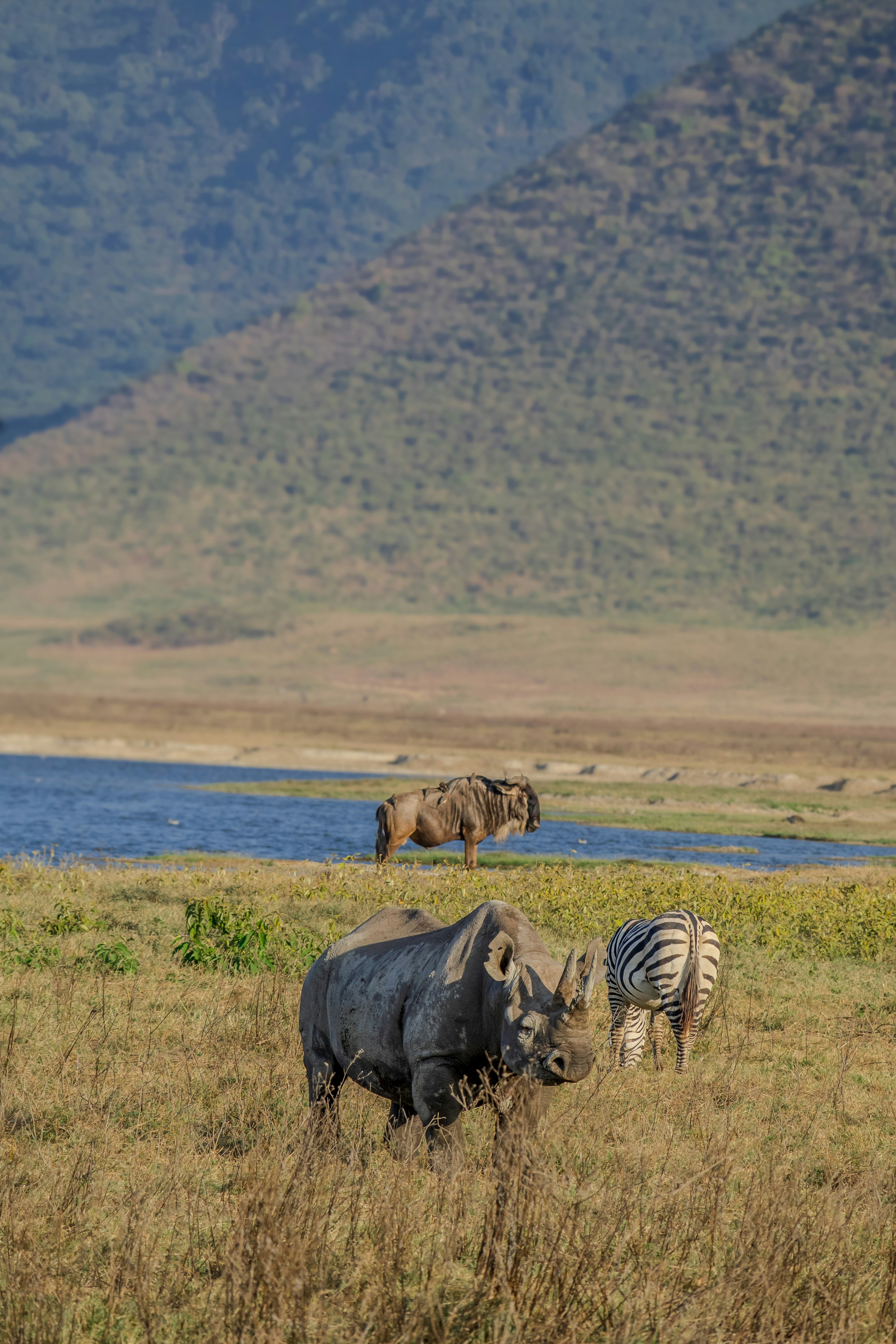
A spectacular volcanic landscape, abundant wildlife and breathtaking views make the Ngorongoro Conservation Area one of Tanzania’s most remarkable destinations.
Located in northern Tanzania, the Ngorongoro Conservation Area is one of the country's most famous safari destinations. At its heart lies the magnificent Ngorongoro Crater, a vast volcanic caldera surrounded by dramatic highlands.
For travellers seeking wildlife, nature and unforgettable scenery, Ngorongoro offers a unique experience.
The Ngorongoro Crater was formed after a large volcano collapsed millions of years ago.
Today, its expansive floor provides a remarkable environment for wildlife. Grasslands, forests, wetlands and water sources create habitats for many different species.
From the crater rim, visitors can enjoy spectacular views across the enormous landscape before descending into the crater for a safari.
Ngorongoro is home to a wide variety of animals.
Visitors may encounter lions, elephants, buffaloes, zebras, wildebeest, hippos, hyenas and many species of antelope.
The crater's diverse habitats allow visitors to see different animals within a relatively compact area, making it an exciting destination for wildlife enthusiasts.
One of the attractions of the Ngorongoro area is the opportunity to search for Africa's famous Big Five: lion, leopard, elephant, buffalo and rhinoceros.
Rhinoceros sightings are particularly special because these animals are increasingly rare in many parts of Africa.
Although wildlife sightings can never be guaranteed, the crater provides an excellent setting for observing a wide range of species in their natural environment.
Ngorongoro is about more than wildlife.
The combination of the crater's steep walls, open grasslands and surrounding highlands creates some of the most impressive scenery in Tanzania.
Visitors can stop at viewpoints along the crater rim and look across the vast caldera below.
The changing light throughout the day also creates excellent opportunities for photography.
The Ngorongoro Conservation Area is also home to Maasai communities.
Visitors can learn about traditional Maasai culture, livelihoods and the relationship between local communities and the surrounding environment.
This cultural dimension makes Ngorongoro different from a traditional national park, where human settlement and wildlife conservation are generally managed separately.
Ngorongoro can be visited throughout much of the year.
The best time depends on the experience you are looking for, including wildlife viewing, weather conditions and how you plan to combine Ngorongoro with other destinations.
Travellers planning a safari should consider the season and expected conditions before booking their trip.
Ngorongoro is an excellent addition to a northern Tanzania safari.
Many travellers combine it with Serengeti National Park, allowing them to experience both the vast Serengeti plains and the unique environment of the Ngorongoro Crater.
Other destinations in the region can also be included in a longer itinerary, creating an unforgettable journey through northern Tanzania.
Ngorongoro offers an extraordinary combination of wildlife, landscapes, culture and history.
From standing above the crater and looking across its vast floor to encountering wildlife during a game drive, the destination offers experiences that can stay with visitors long after they leave.
For anyone planning a Tanzania safari, Ngorongoro deserves to be one of the destinations at the top of the list.




Comments
0