 "Where Africa Comes to Stay Informed."
US Edition
"Where Africa Comes to Stay Informed."
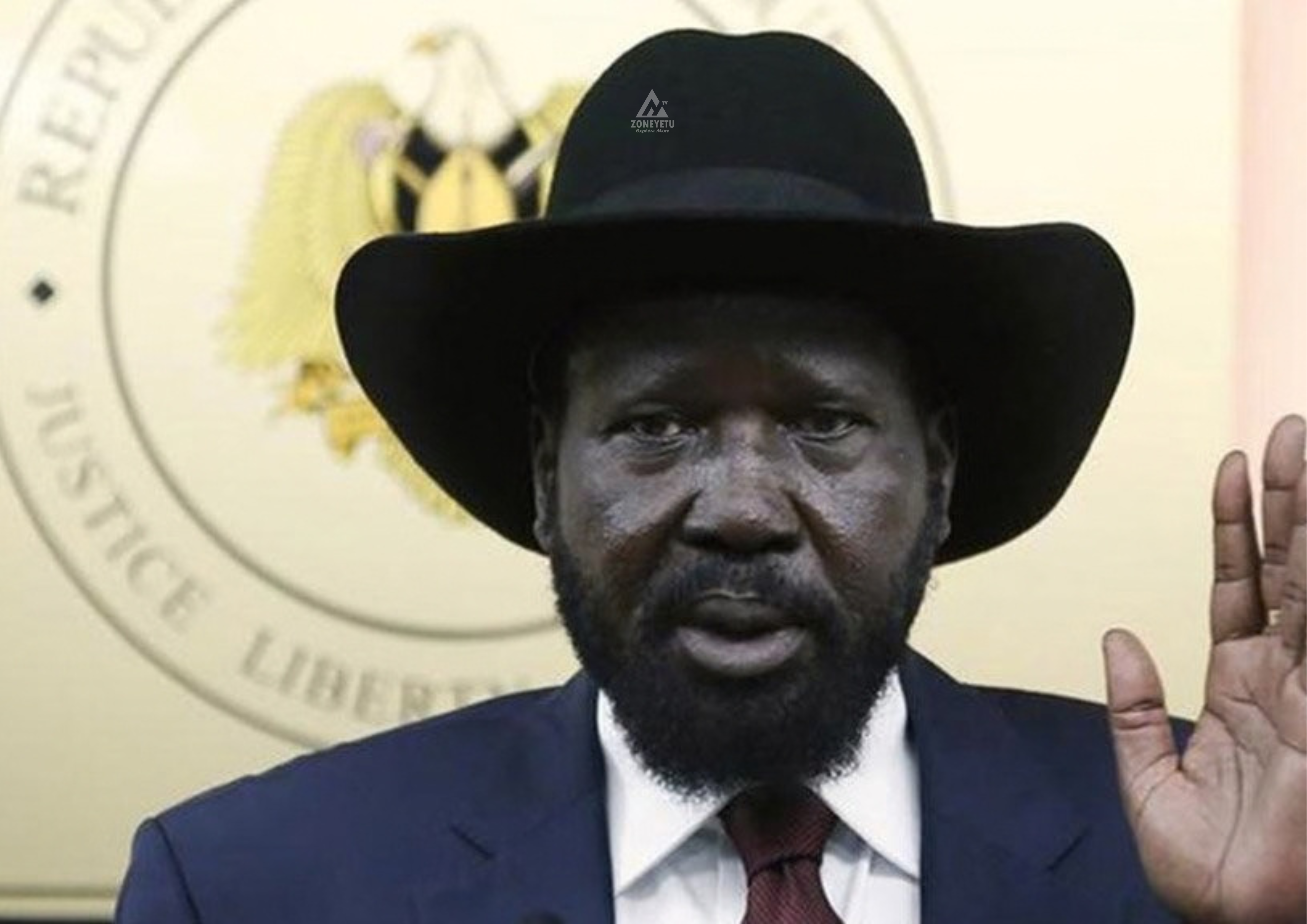
President Salva Kiir put his signature to a set of changes to South Sudan’s election law late on Monday, stripping out the clauses that had made voting dependent on finishing a permanent constitution and running a national census. The country’s principal opposition bloc has refused to accept the revisions.
The rewritten statute is meant to open the way for a general election set for December 22 — the first South Sudan will hold since it became independent in 2011. Presidential affairs minister Africano Mande Gedima said the point of the amendments was to bring the election law into line with the transitional constitution and to delete the conditions that had chained the vote to a finished constitution and a completed headcount. Kiir’s office described the changes to the National Elections Act of 2012 as “another major milestone” on the road to the ballot.
The South Sudan Opposition Alliance, a grouping of opposition parties that signed the 2018 peace deal, threw out the amendments, arguing the parties to that agreement were not properly consulted before they were adopted.
Under the revised text, the sitting executive keeps its full constitutional authority right through the election period until a newly elected president is sworn in. The first vice president and the other vice presidents, by contrast, must vacate their posts within the three months preceding polling day.
The legislation also shrinks the legislature considerably. The National Legislative Assembly drops to 270 seats from 650, state assemblies fall to 58 members from 100, and legislative councils in the administrative areas are set at 20.
Riek Machar, Kiir’s long-standing adversary and head of the main opposition SPLM-IO, has been confined to house arrest since March 2025 and is standing trial on charges that include treason and murder. He rejects them. The president also swapped out the chairman of the elections commission last week, offering no explanation.
Edmund Yakani, who runs the Community Empowerment for Progress Organisation, called on the political leadership to resolve their disputes without violence. “Don’t return us to war,” he said in a statement. “Sort out your political differences through non-violent means.”
Parliament approved the bill earlier on Monday before sending it up for the president’s assent, at a point the authorities call a decisive stage of election preparations — even though voter registration has yet to start. The transitional period itself dates to the 2018 peace accord that followed years of war, and the vote has slipped repeatedly as work on the key benchmarks, the permanent constitution and the census among them, moved slowly.


Comments
0