 "Where Africa Comes to Stay Informed."
US Edition
"Where Africa Comes to Stay Informed."
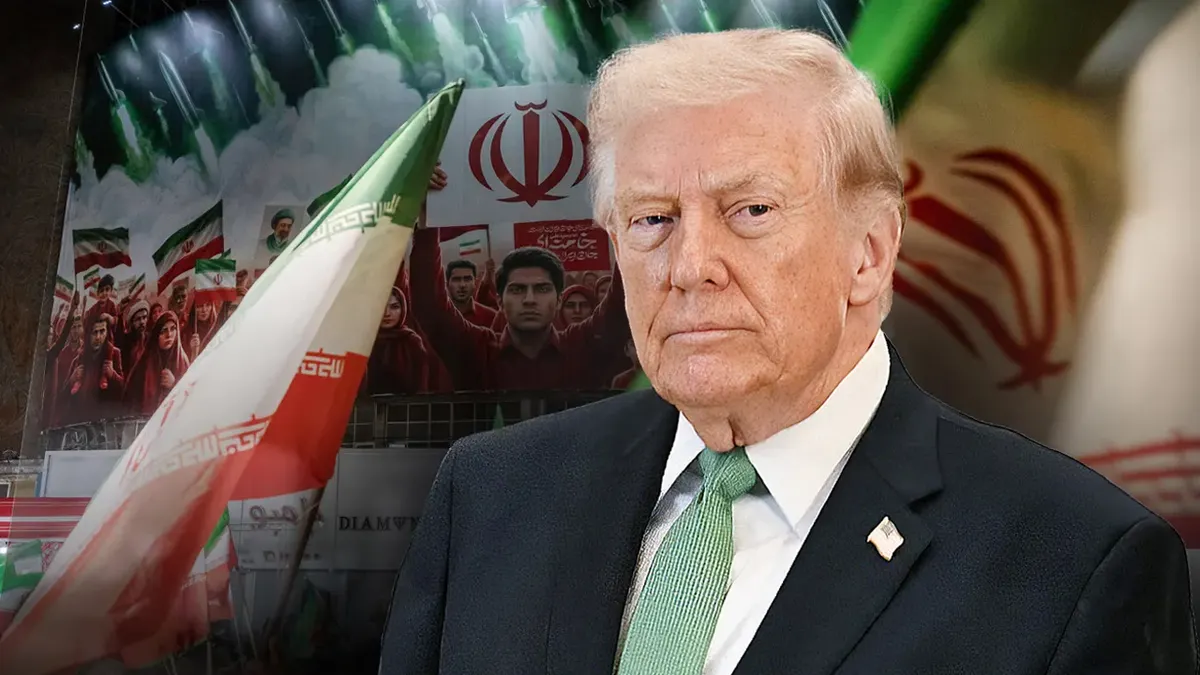
Days before world leaders gather in New York for the United Nations General Assembly, US President Donald Trump has raised the stakes with Tehran, warning that Iran's economy could be wrecked or its leadership removed if no agreement is struck with Washington.
In an interview with Fox News on Sunday, the president framed the choice as “wiping Iran out” or letting the Iranian economy “rot” in the absence of a deal.
He left the door open to sitting down with Iranian President Masoud Pezeshkian while both are in New York, but suggested he had not yet settled on whether to order further strikes.
Iran's military said its own intelligence points to preparations by the United States and its partners for another large-scale attack on the country.
The Khatam al-Anbia Central Headquarters promised “painful” retaliation across the Middle East should such a strike happen, and said American positions and interests in the region would be in its sights. Any neighboring state that assists the operation, it added, would be treated as a party to the war.
Parliament Speaker Mohammad Bagher Ghalibaf argued on Sunday that Iran has to fight and negotiate at the same time to hold off its adversaries, and that talks are best pursued from a position of battlefield strength.
The exchange of threats comes seven months into the war and after the June memorandum between the two sides fell apart, with neither shifting position ahead of Pezeshkian's trip. Iran's semi-official Tasnim news agency reports that he plans a series of meetings with foreign leaders on the margins of the assembly.
Iran's line on the Strait of Hormuz has not moved: the waterway stays shut until Washington delivers on the June terms, which Tehran lists as lifting the naval blockade of its ports, loosening sanctions, releasing frozen Iranian assets and dropping military threats.
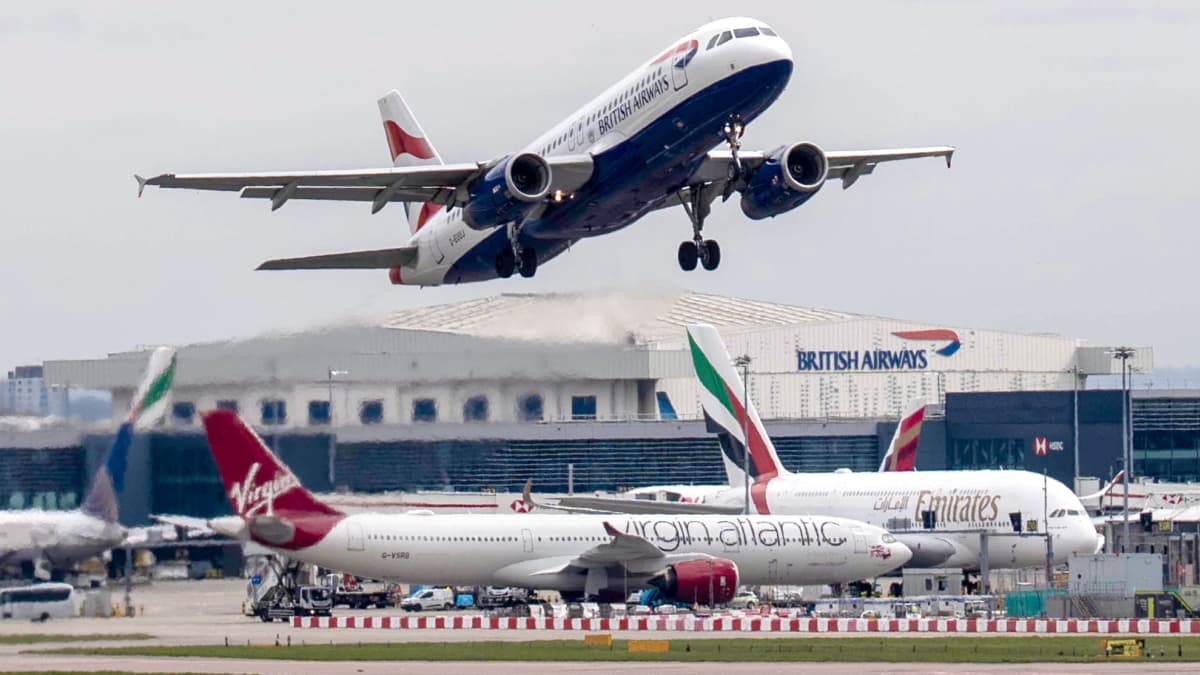
The US State Department has put out a security alert telling Americans that escalation in the Middle East could come without warning, and that flights may be canceled and airspace closed.
It followed Houthi claims that the Iran-backed group fired missiles and drones at Riyadh on Saturday. Saudi officials said a ballistic missile was intercepted and destroyed, with nobody hurt and nothing damaged. Major-General Turki al-Maliki, spokesperson for the Saudi-led coalition, said the Houthis had also tried to hit civilians and infrastructure elsewhere in the kingdom, and that Saudi air defenses stopped them.
Oil has eased over the past few sessions in spite of the spreading hostilities, with traders betting on a pickup in Saudi energy shipments. Brent crude futures dropped 1.7% to $102.15 a barrel and US West Texas Intermediate fell 1.8% to $98.46.
Eurasia Group takes the view that prices will stay high regardless, since whatever US efforts achieve in moving oil through the Strait of Hormuz, the extra flows will not close the broader gap between supply and demand. The consultancy sees Brent holding in a $90 to $110 range for the remainder of the year.



Comments
0