 "Where Africa Comes to Stay Informed."
US Edition
"Where Africa Comes to Stay Informed."
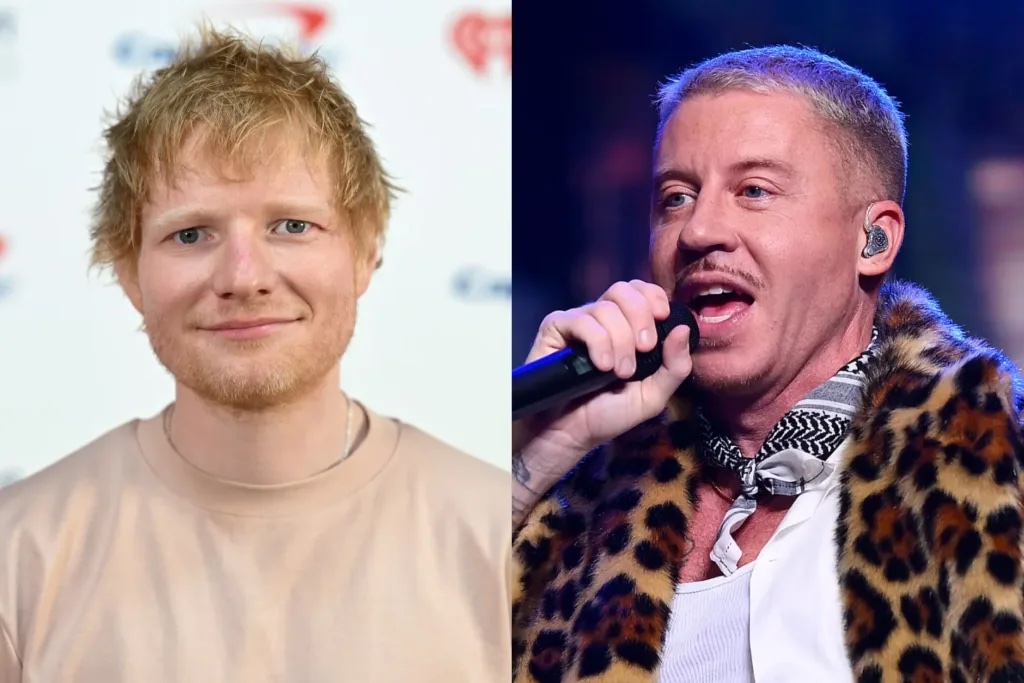
For many years, the approach to large-scale tours has been straightforward: prioritize the music, avoid controversy, and regard the stage as a separate realm of escape. Pop megastars such as Ed Sheeran have consistently advocated for the notion that large stadium concerts should act as powerful unifiers—environments where varied audiences can come together for a few hours of collective happiness, entirely removed from the divisions of the outside world.
That playbook has been completely destroyed.
The sudden and dramatic withdrawal of support acts and band members from The Loop Tour marks a clear conclusion to the period of silent acquiescence in mainstream live entertainment, triggered by the removal of rapper Macklemore due to his pro-Palestinian comments during a performance. When artists such as Finneas, Lukas Graham, Aaron Rowe, and Sheeran’s longtime backing band, Beoga, collectively departed, they turned a typical tour logistics crisis into a significant cultural awakening.
The Catalyst: When the Stage Transforms into a Battleground
The domino effect commenced following Macklemore's performance at MetLife Stadium in New Jersey, where he utilized his platform to advocate for Palestinian liberation while performing his song “Hind’s Hall.” The ensuing backlash was immediate: venues and promoters, allegedly influenced by corporate stakeholders such as New England Patriots owner Robert Kraft, began to cancel the rapper's remaining performances.
When Ed Sheeran finally spoke out, he made a clear distinction between his personal feelings and the business side of things, emphasizing that the choice was solely in the hands of the promoters and venues, not himself. He contended that he was attempting to safeguard his crew, his supporting acts, and the fans who had purchased tickets.
In today's cultural climate, neutrality has ceased to serve as a protective barrier.
The Ripple Effect of Solidarity
The artists who later withdrew from the tour made their decision with careful consideration. Many individuals, including Aaron Rowe and the members of Beoga, clearly referenced their national histories of colonialism, famine, and occupation to articulate why silence could no longer be an option. Finneas eloquently expressed the feelings of the departing acts: “Artists must not be silenced when they speak up for the oppressed.” Lukas Graham expressed a strong stance, emphasizing that a substantial bank balance or corporate venue influence should never determine who is entitled to speak or which human suffering is acceptable to recognize.
This mass walkout reveals a profound and unresolvable conflict in contemporary touring. On one side are the major promoters, corporate venue owners, and stakeholders who perceive political commentary as a financial risk—a potential disruption to seamless operations and ticket sales. On the other side is a new generation of creators and musicians who perceive their platforms not merely as commercial assets but as powerful moral voices.
The Illusion of “Apolitical” Space
The consequences of The Loop Tour demonstrate that the era of simply remaining silent and performing is no longer sustainable. Both audiences and artists are progressively dismissing the idea that large global platforms can maintain neutrality amidst ongoing geopolitical crises. When a tour’s infrastructure depends on suppressing expression, the repercussions extend beyond a single contentious artist; they affect the entire framework of trust among the headliner, the supporting acts, and the audience.
Ed Sheeran aimed to create a space that fosters unity and provides an escape. True unity cannot be created by ignoring systemic conflict, nor can it endure when corporate gatekeepers define the limits of human empathy. By opting to walk away, these supporting acts have conveyed a clear message to the music industry: the price of compliance has ultimately become too steep to bear.



Comments
0