 "Where Africa Comes to Stay Informed."
US Edition
"Where Africa Comes to Stay Informed."
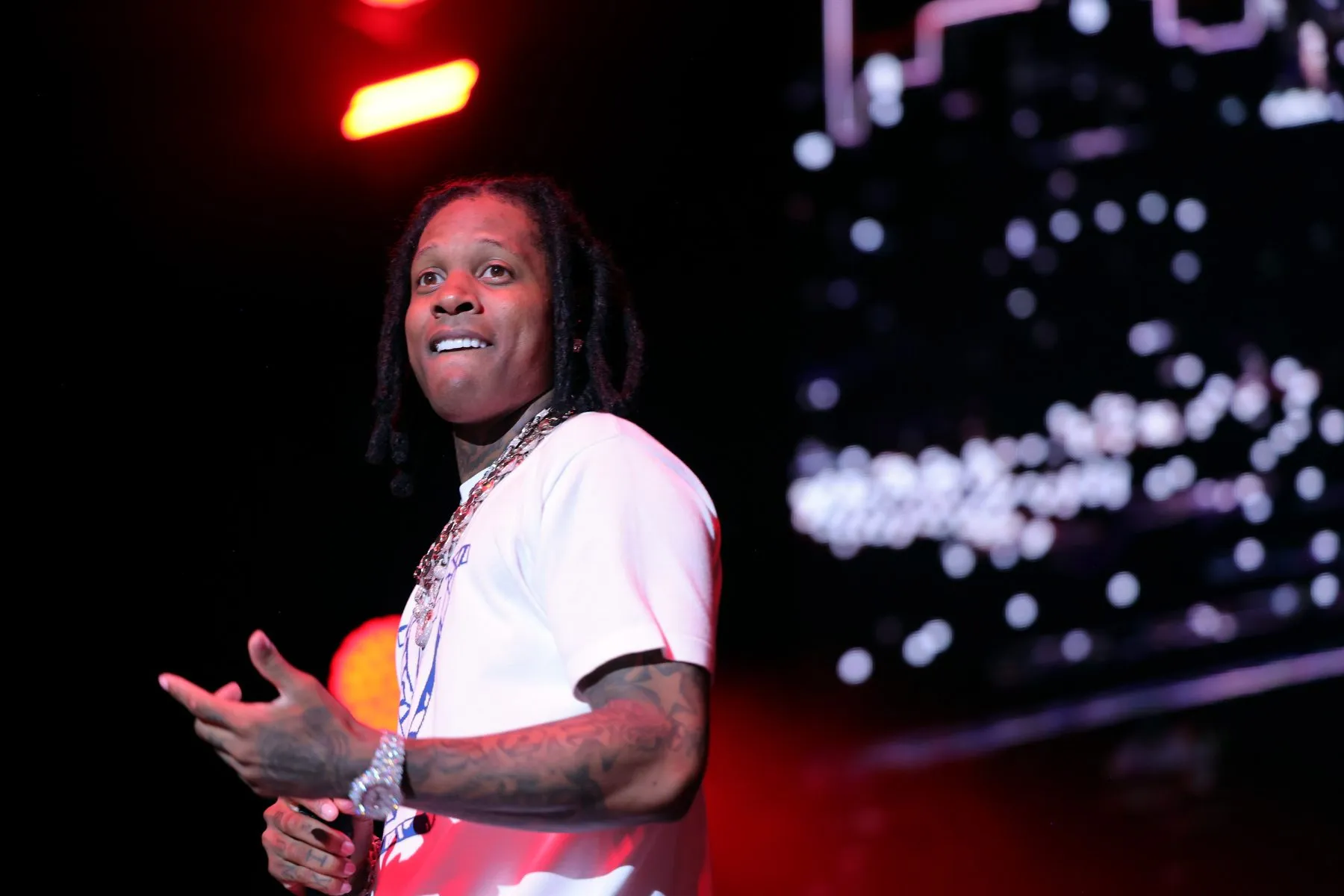
A federal jury acquitted him on all five counts Friday, but a second case filed by the government this year ensures his freedom fight continues.
On Friday, Lil Durk was acquitted on all five federal counts in his Los Angeles murder-for-hire trial. He remains in federal detention today. Many viewers find those two facts incompatible. If acquitted, you go home. The federal system doesn't always function that way, and it's not because of the jury's verdict.
Start with the verdict's scope. Lil Durk, whose real name is Durk Banks, was charged with financing and directing a 2022 gas station ambush near the Beverly Center.
The authorities alleged Atlanta musician Quando Rondo, born Tyquian Bowman, was targeted for revenge for King Von's 2020 murder. Bowman lived. His 24-year-old cousin Saviay'a Robinson was shot and died. Conspiracy to stalk, stalking with a deadly weapon, stalking ending in death, conspiracy to use interstate facilities to conduct murder for hire, and murder for hire were the five offenses. The seven-woman, five-man jury deliberated for three days and requested the judge to define intent. They were acquitted on all counts. His co-defendants, Deandre “OTF Dede” Wilson and David “Browneyez” Lindsey, were convicted of conspiracy, stalking, and murder.
Why is Lil Durk imprisoned? That trial was never his only charge. Earlier this year, prosecutors charged racketeering again. Racketeering is how the federal government prosecutes a group as a criminal business rather than charging individuals individually. Without proving a single shooting, the government tries to prove an organization existed, operated by crime, and the defendant helped run it. Only the family, Durk's label, and the collective were that kind of business, according to prosecutors. Durk disputes it.
Superseding indictments update charges after they are filed. The third version of the case arrived a month before the Los Angeles trial. Durk's lawyers said it was too late to add new claims to a two-year-old trial, and in July the judge agreed to sever them. The Los Angeles trial cannot include a January 2022 Chicago killing or a February 2019 Atlanta attempted murder, the court decided. The verdict was a triumph. It also ensured that a Los Angeles sweep would leave a second lawsuit standing.
Section 2 covers federal custody. The judge decides whether someone is held before trial based on two questions: is this individual a threat to the community and likely to run? One not guilty verdict leaves both questions unanswered for another pending case. Former federal prosecutor Neama Rahmani told Complex that prosecutors would likely keep Durk arrested regardless of the verdict from the Los Angeles jury because flight danger and public safety matter more than a single trial.
Durk had a long detention record before Friday. He was detained in Miami in October 2024, with authorities alleging he was leaving the country. Despite his lawyers' $2.7 million bond offer with 24/7 private security, electronic monitoring, and full court supervision, judges denied his release. He was accused of witness intimidation and threatening witnesses and their families, prosecutors said.
The argument is his attorneys can make adjustments. An acquittal enhances the argument for home confinement or electronic monitoring, according to civil rights attorney Adanté Pointer, because the racketeering case's activity overlaps with the conduct a jury rejected. This is a valid argument a judge could accept. Even then, the government can dispute a release order. After Karl Jordan Jr.'s Jam Master Jay murder conviction was overturned, a judge granted him bond.
The racketeering trial is scheduled in weeks. Since the verdict, an early October start date has spread extensively, but it comes from secondhand information, so take it as unverified until it appears on the docket. We know the case exists, was severed in July, and Durk is in federal jail while it continues.
Durk's defense team spent the trial in Los Angeles arguing that the government's cooperating witnesses, notably OTF Jam, were admitted killers who incriminated him to avoid life terms. Twelve looked at that and declined. The same office that lost that argument can now present its case to a new jury, using different charges and theories.


Comments
0