 "Where Africa Comes to Stay Informed."
US Edition
"Where Africa Comes to Stay Informed."
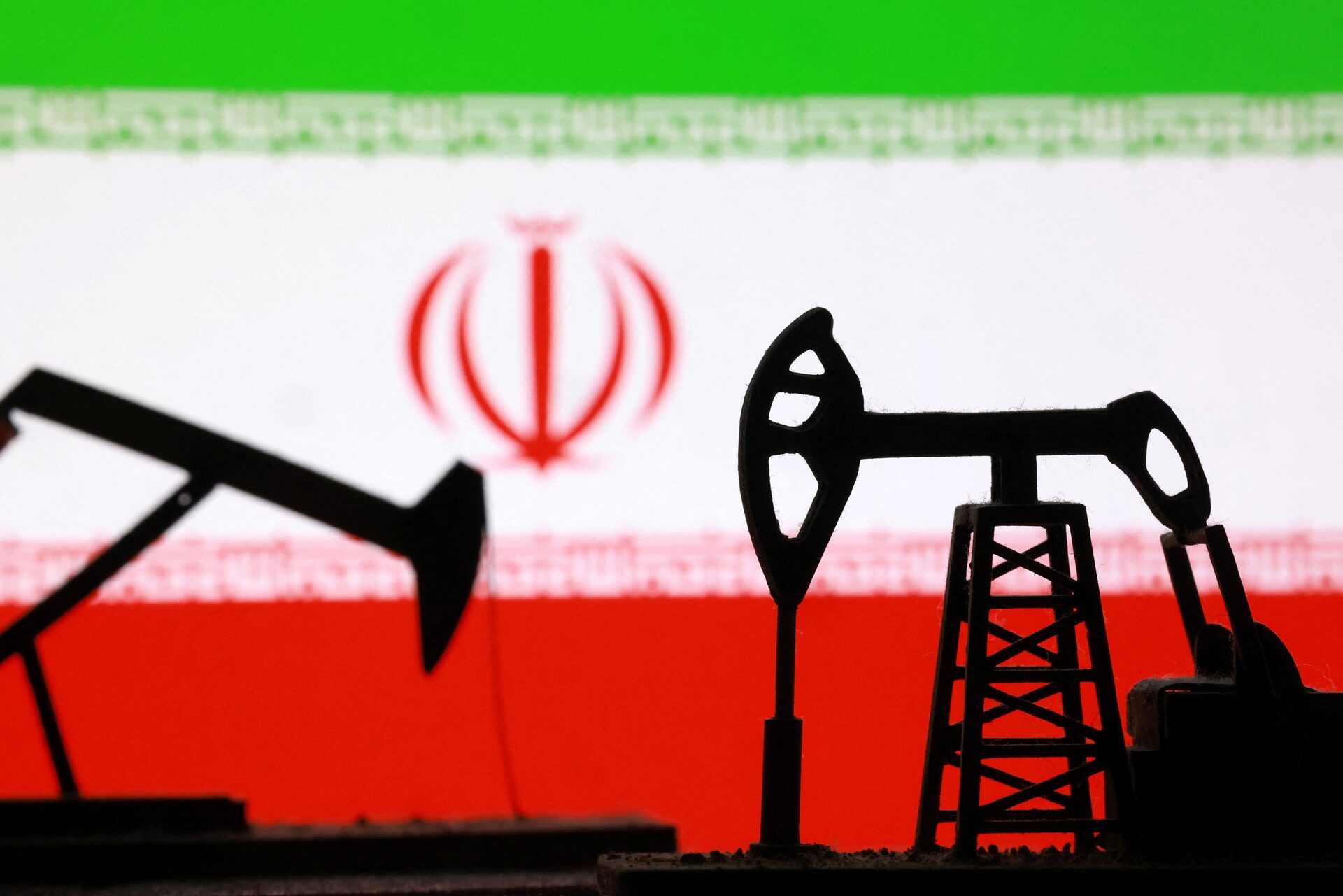
Saudi Arabia faces the potential loss of up to 4% of the global oil supply due to pipeline damage and attacks in the Strait of Hormuz, exacerbating the wartime crisis.
Saudi Arabia risks depleting its oil stocks for exports if it fails to reactivate its primary pipeline to the Red Sea in the coming days, which could result in a reduction of up to 4 percent in global supply, according to Saudi oil buyers and traders.
A continued decrease in Saudi flows will exacerbate the global supply shortage, which has already driven fuel prices to unprecedented levels, fueled inflation globally, and resulted in U.S. bond yields reaching their highest points since the 2008 financial crisis.
Since drone attacks compelled Saudi Arabia to close its extensive east-west oil pipeline on Friday, Riyadh has not provided comprehensive information regarding the extent of the damage or the anticipated duration of the route's offline status.
Sources that spoke to Reuters provided differing estimates, with one indicating that the damage might require five to six weeks for repairs, while another suggested that it could be addressed more quickly, allowing for partial resumption of pumping during the repair process.
For the last six months, the pipeline traversing the desert across the Arabian Peninsula has shielded Saudi Arabia from the severe effects of the wartime closure of the Strait of Hormuz, which has severely hindered exports from its neighboring countries.
The world's largest exporter has utilized the pipeline to redirect approximately 4 million barrels per day, which accounts for about 4 percent of global supply, to the port of Yanbu on the Red Sea. However, with the pipeline currently non-operational, Yanbu is left with enough stocks to sustain exports for only five to seven days, as reported by three industry sources knowledgeable about Saudi exports.
According to a fourth source, Saudi Arabia maintains stocks to supply customers for several days from Egypt’s ports of Ain Sukhna on the Red Sea and Sidi Kerir on the Mediterranean.
Yanbu has a storage capacity of approximately 35 million barrels, as per industry estimates, while Ain Sukhna and Sidi Kerir can accommodate 18 million and 20 million barrels, respectively. Stocks are not at full capacity and will eventually deplete if the east-west pipeline does not resume operations, according to four sources who spoke to Reuters.
According to the International Energy Agency (IEA), Saudi oil supply has declined to its lowest level in over thirty years as of August, due to decreased flows through the Strait of Hormuz and the Red Sea. According to the IEA, which coordinates Western energy policies, the world oil supply is projected to decrease this year by 5.7 million bpd, representing approximately 6 percent.
Alongside the assault on the pipeline, Houthi fighters in Yemen, who have issued threats against Saudi oil shipments, captured an island on Friday at the entrance of the Red Sea.
The Middle East provided approximately 22 million barrels of oil each day prior to the conflict. Flows through the Strait of Hormuz have decreased to between 6 million and 9 million barrels per day, according to industry sources.
Meanwhile, an Iranian cargo vessel was struck early Sunday off Qeshm Island in the Strait of Hormuz, according to Iranian state media. This incident occurred a day before Tehran intends to brief regional countries on its disputed efforts to manage shipping traffic in the area.
The attack, as reported, resulted in one fatality and four injuries, bringing renewed focus to the strait following heightened threats to shipping in the area last week, when Iran-backed Houthi rebels seized control of an island in the Bab el-Mandeb Strait in the Red Sea.
Iran’s state-run IRNA news agency reported that the Qeshm governor attributed the attack on Sunday to a “terrorist enemy.” There was no immediate response from the U.S. military, which has targeted Iranian-flagged vessels during its blockade of Iranian ports and is now confronted with a new threat from Iranian ballistic missiles aimed at its warships.
Qeshm Island, located approximately 14 miles (22 kilometers) from the port city of Bandar Abbas, plays a crucial role in Iran's efforts to assert control over the Strait of Hormuz.
Hours before the attack, Iran’s government stood firm. Our people will not be coerced into submission. “Iran will not yield,” President Masoud Pezeshkian stated in a social media post reported by AP.
President Donald Trump expressed a differing opinion, stating on Sunday that Iran is "desperate to make a deal" and that "they're calling constantly. The U.S. will eventually withdraw, unless we choose to remain and secure the oil, similar to Venezuela. Trump delivered remarks at his golf course in Doonbeg, Ireland, during his attendance at a tournament.
Iran has announced that foreign ministers from regional countries will convene today in Oman to discuss the collaborative efforts of Iran and Oman, situated on opposite sides of the strait, to oversee shipping in the area.
The meeting shifts regional attention back to the Strait of Hormuz just days after the Houthis advanced along Yemen’s Red Sea coast, intensifying pressure on a vital alternative route for global shipping. Although the Houthis claim their targets are limited to neighboring Saudi Arabia, which supports Yemen’s internationally recognized government, markets remain cautious, leading to a rise in oil prices once more.
Commercial ship traffic in the Strait of Hormuz continues to be low as attacks persist on what was previously regarded as an international waterway, following the onset of the war initiated by the U.S. and Israel on February 28.




Comments
0