Iran indicates that its nuclear policy is expected to remain the same while suggesting new regulations for the Strait of Hormuz in light of the ongoing conflict and regional tensions.
Iran’s Foreign Minister Abbas Araqchi states that the nation’s position on not developing nuclear weapons is expected to remain steadfast while calling for new regulations regarding the Strait of Hormuz in light of the current conflict.
Iran’s Foreign Minister Abbas Araqchi has stated that Tehran’s stance on nuclear weapons remains mostly consistent, even amid uncertainty regarding the perspectives of the new supreme leader, Mojtaba Khamenei.
He observed that former leader Ali Khamenei had consistently opposed weapons of mass destruction through a religious decree, although the validity of such rulings relies on the cleric who issues them.
Western nations, including the United States and Israel, have consistently accused Iran of pursuing nuclear weapons, a claim that Tehran denies, asserting that its program is intended for civilian use.
Araqchi proposed that Gulf nations create a new framework for governing the Strait of Hormuz following the war, ensuring that safe passage aligns with regional interests.
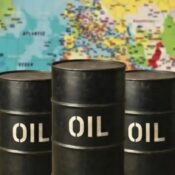
Iran has closed the vital energy corridor, through which approximately one-fifth of the world’s oil and gas supplies flow, pledging to halt exports to the United States, Israel, and their allies.
At the same time, Iran’s parliament speaker cautioned that the strait would not revert to its pre-war state, given the ongoing tensions.
The NATO alliance is experiencing divisions regarding its response, as the United States advocates for a naval coalition, whereas nations such as France assert that their involvement hinges on a ceasefire and negotiations with Tehran.
Araqchi stated that resolving the conflict necessitates a lasting cessation of hostilities throughout the region, as well as compensation for the damages incurred by Iran.
In response to criticism regarding Iranian strikes affecting civilian areas, he stated that the targets were associated with US forces, which he claimed were operating in urban settings.
He recognized that neighboring countries had been impacted but maintained that the responsibility rests with the United States, which he accused of instigating the conflict on February 28.