Japan’s prime minister is under increasing pressure from Trump regarding the Iran mission, which could jeopardize the alliance and provoke domestic political repercussions.
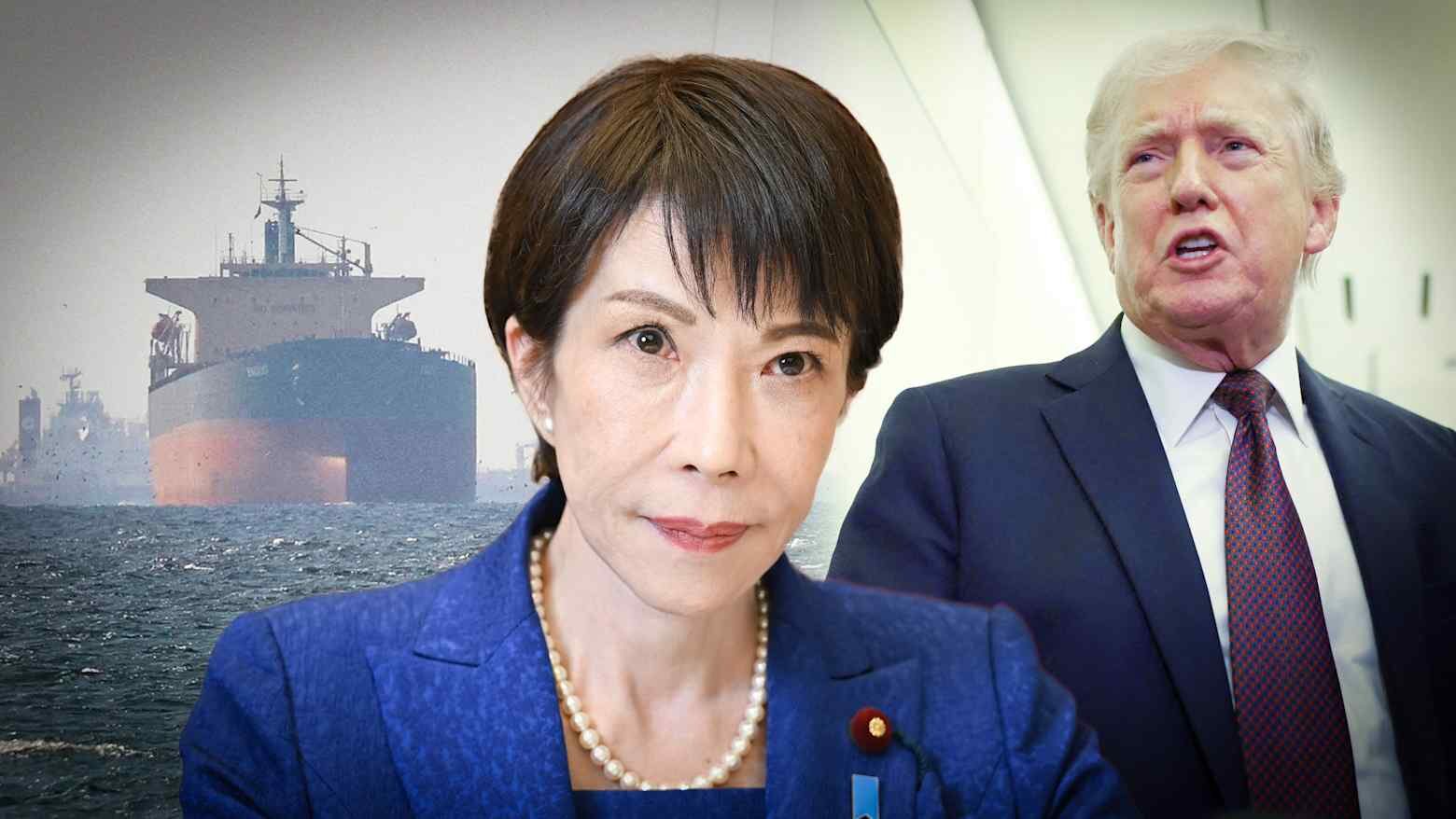
Japanese Prime Minister Sanae Takaichi is set to visit the White House on Thursday for crucial discussions with US President Donald Trump, as tensions rise regarding Washington’s efforts to garner allied support for its military stance against Iran.
The meeting signifies the initial in-person interaction between Trump and a key ally since he urged coalition partners, including Japan, to send ships to escort tankers through the Strait of Hormuz, a vital global energy passage affected by the ongoing conflict.
Analysts indicate that the visit puts Takaichi in a precarious situation, as she must navigate Japan’s enduring alliance with the US while contending with domestic constraints and the legal limitations set by its pacifist constitution.
“Takaichi is in a difficult position,” remarked David Boling of the Asia Group consultancy in Tokyo and a former U.S. trade negotiator with Japan during Trump’s initial term as president.
“The greatest danger lies in Trump openly demanding security commitments from her that she is unable to fulfill.”
Japanese officials had originally intended for Takaichi to concentrate discussions on China’s increasing regional assertiveness; however, the agenda has now shifted significantly towards the Iran crisis and US requests for maritime support.
The Strait of Hormuz, a critical passage for approximately 20 percent of the world’s energy supplies, continues to be a significant point of tension. Japan relies significantly on this route, as approximately 90 percent of its oil shipments pass through the waterway.
Amid the pressure, Tokyo has not yet received an official request from Washington. During a speech in parliament earlier this week, Takaichi stated that Japan was evaluating potential actions that could be taken within the confines of the constitution.
Throughout Europe, significant US allies such as Germany, Italy, and Spain have opted out of participating in any Gulf mission, highlighting a wider hesitance among partners.
Kaja Kallas, the European Union foreign policy chief, emphasized that position, stating, “Nobody is ready to put their people in harm’s way.”
In Japan, public sentiment continues to oppose greater involvement strongly. A survey conducted by the Asahi newspaper revealed that less than 10 percent of participants favor US and Israeli military actions against Iran.
Although Japan has offered logistical and intelligence support for US operations in the Middle East in the past, sending naval assets into an active conflict zone would represent a notable and contentious escalation.
“This has evolved into a conversation that challenges the core principles of the Japan–US security alliance,” stated Kazuhiro Maeshima, a politics professor at Sophia University in Tokyo.
As Trump oscillates between criticizing allies and minimizing their importance, the results of Thursday’s discussions may reshape the expectations and boundaries of one of Washington’s key security partnerships.