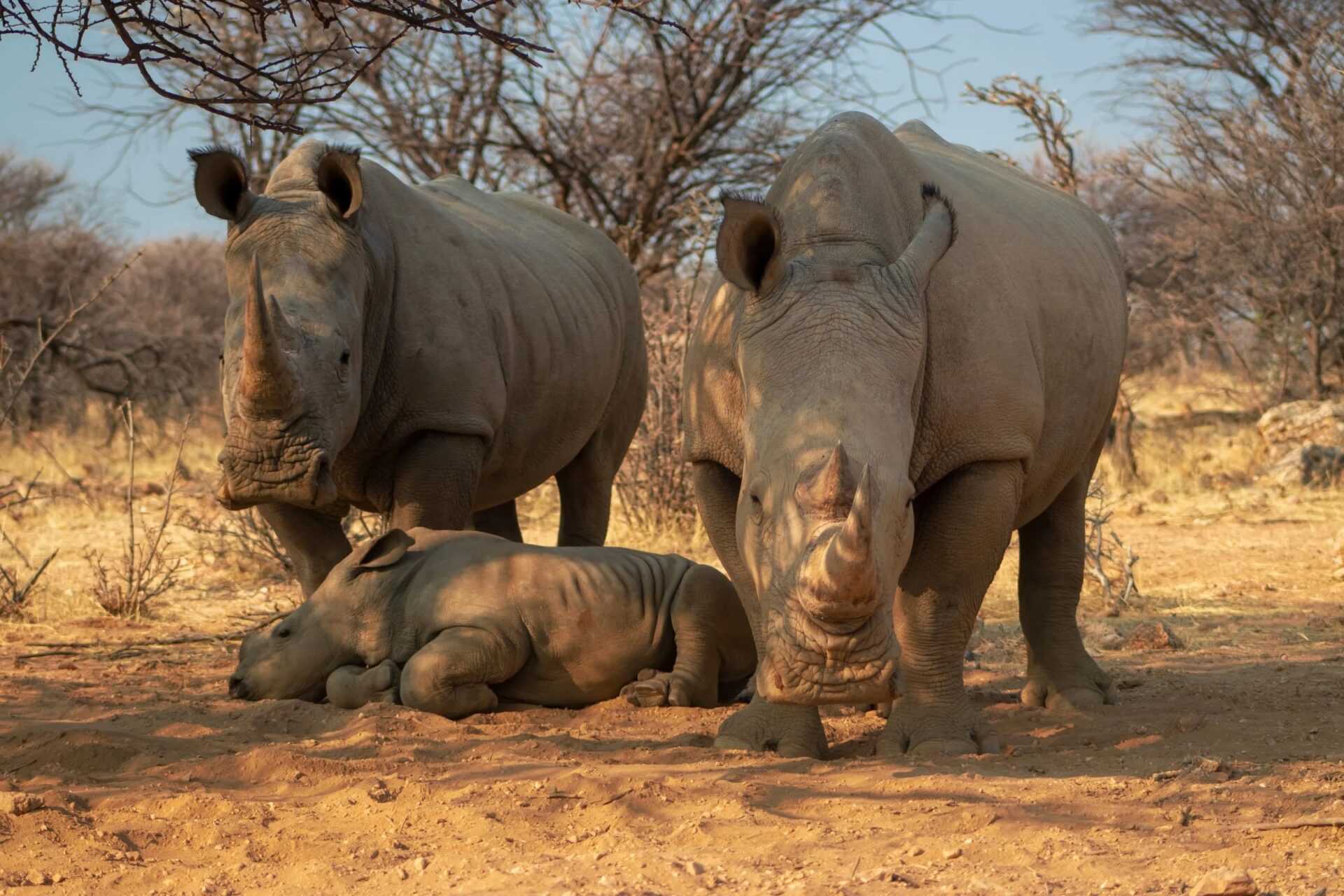
After more than 40 years, rhinos have returned to Uganda’s Kidepo Valley National Park, a place where poachers once decimated their population for their valuable horns and meat.
On Tuesday, two southern white rhinos emerged from transport crates following a lengthy journey from a private ranch, marking the arrival of the first of eight animals intended to repopulate the park where the last rhino was tragically killed in 1983.
In the past, poachers took advantage of the political instability in Uganda, leading to the extinction of all the rhinos that once roamed Kidepo and other national parks, which were home to approximately 700 of these magnificent creatures.
Their disappearance signified the complete extinction of the species in the wild in Uganda. The state-run Uganda Wildlife Authority is currently managing the reintroduction of these rhinos. “This moment signifies the start of a new rhino narrative for Kidepo Valley National Park,” stated James Musinguzi, Executive Director of UWA, during a ceremony to commemorate the event.
“The translocation of these rhinos marks the initial step in the restoration of a species that was once integral to the park’s natural heritage,” he added.
The two rhinos were moved to Kidepo, a large area of savannah in the remote northeastern part of Uganda, from the privately owned Ziwa Rhino and Wildlife Ranch located in Nakasongola, approximately 100 km (62 miles) north of the capital, Kampala.
The ranch began its rhino breeding program in 2005, importing four southern white rhinos from a game reserve in Kenya.
Poaching continues to be a significant issue in Uganda’s protected wildlife areas, with authorities frequently detaining and prosecuting individuals found in possession of ivory, pangolins, and other endangered species, as noted by conservationists.
Even with global efforts to combat poachers and smugglers, the demand for rhino horns continues to thrive, fueled by their applications in traditional medicine and their significance as status symbols in various Asian nations.
Kidepo is especially at risk due to its location in a region where armed cattle rustlers regularly conduct cross-border raids. South Sudan, where the government is fighting insurgents, shares a border with the park.