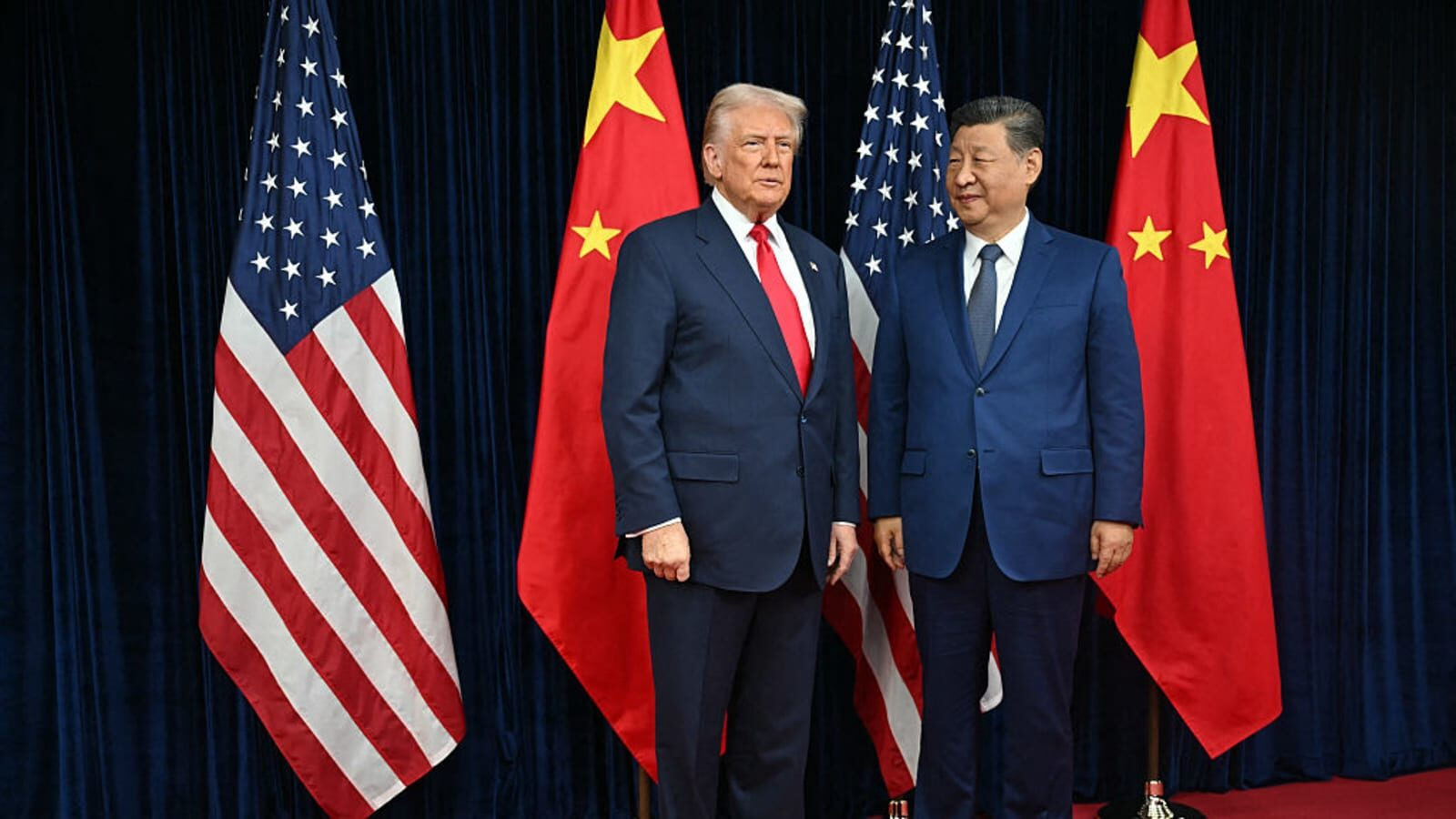
The decision by US President Donald Trump to postpone a scheduled summit with Chinese leader Xi Jinping in Beijing has created a shadow over bilateral relations, although analysts suggest it is improbable that this incident will disrupt the overall relationship.
Donald Trump’s request to delay his meeting with Xi Jinping in Beijing has introduced new uncertainty into US-China relations, which had been relatively stable since their last interaction in October.
The postponement occurs right after both countries wrapped up significant trade discussions in Paris, intended to set the stage for Trump’s visit, which was initially planned for later this month.
Analysts indicate that this decision illustrates the impact of the ongoing conflict in Iran on Washington’s foreign policy priorities, further intensifying existing tensions related to trade and Taiwan.
Although the postponement has occurred, experts indicate that the situation remains manageable, even if it complicates diplomatic efforts. Zhao Minghao, an expert in international relations at Fudan University, observed that the ongoing US-Iran conflict and the recent rulings by the US Supreme Court regarding tariff policies have complicated the prospects for engagement.
Reports indicate that discussions in Paris featured China showing a readiness to boost imports of US agricultural products, including poultry and beef. Additionally, both parties tackled topics like rare earth mineral supplies and overarching trade frameworks.
Chinese state media characterized the discussions as “constructive,” while also advising Washington to avoid actions that might destabilize economic relations, such as tariffs and unilateral trade measures.
Observers indicate that Beijing prefers consistency in its interactions with Washington, and any changes in summit planning are seen in a negative light. US officials have provided various reasons for the delay, with Trump indicating it may depend on China’s involvement in reducing tensions in the Strait of Hormuz, whereas Treasury Secretary Scott Bessent pointed to the necessity of concentrating on the coordination of the war effort.
Analysts concur that both nations are dedicated to upholding stable relations and achieving a successful summit when it occurs, despite ongoing global economic uncertainties.