Trump cautions that NATO allies need to assist in securing the Strait of Hormuz as the conflict in the Middle East impacts oil markets.
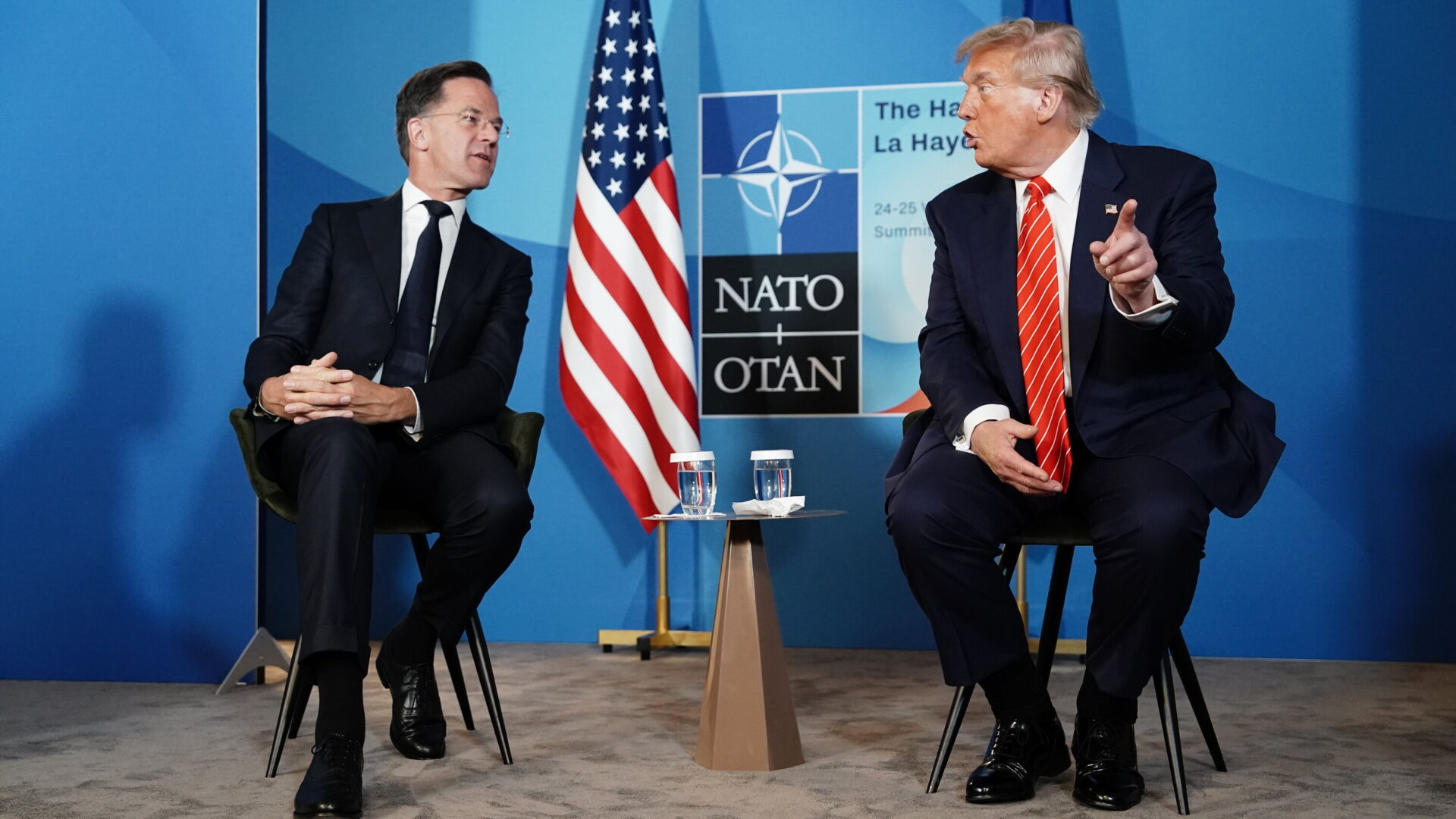
Donald Trump has cautioned that the future of the North Atlantic Treaty Organisation may encounter significant repercussions if member states decline to assist in securing the strategic Strait of Hormuz, especially in light of rising tensions in the Middle East.
During an interview, the US president stated that it would be detrimental to the future of NATO if allied nations chose not to support initiatives designed to protect the crucial shipping corridor that carries a substantial portion of the world’s oil supply.
Trump indicated that China ought to assist in unblocking the waterway and cautioned that a proposed summit with Chinese leader Xi Jinping might be postponed if Beijing did not back efforts to secure the route.
While on Air Force One, Trump mentioned that he was in talks with “about seven” countries concerning potential operations to monitor the strait.
“I will remember if they do not help,” he stated, emphasizing the significance Washington attributes to securing the strategic passage.
The alert arises as conflicts escalate throughout the area. Reports indicate significant bombing activity in Tehran, accompanied by missile launches from Iran and Hezbollah targeting Israel.
In the meantime, Saudi Arabia reported that it intercepted numerous drones overnight while regional air defense systems stayed on high alert.
Iran’s Foreign Minister Abbas Araghchi rejected the idea of negotiations with Washington, stating that Tehran had not sought a ceasefire.
“We find no justification for engaging in discussions with the Americans, as we were already in dialogue when they chose to launch an attack against us,” he stated.
Air travel in the Gulf has also been disrupted by the conflict. Authorities have confirmed that Dubai International Airport, recognized as one of the busiest aviation hubs globally, has temporarily suspended flights due to a drone-related incident that resulted in a fire near a fuel tank.
Airlines suspended operations for several hours until Emirates, Dubai’s national carrier, declared that limited flight services would restart later in the morning.
Passengers stuck at the airport reported that they were initially oblivious to the reason behind the disruption. A traveler informed reporters that he had remained on the aircraft for approximately 40 minutes before the pilot declared a “security incident” and the airspace was closed.
At the same time, oil markets continue to experience fluctuations as the conflict poses a risk to global supply routes. Crude oil traded in the US was around $98.97 per barrel, while Brent crude was priced above $104.
Previous efforts by member states of the International Energy Agency to release unprecedented amounts of strategic oil reserves have had minimal impact on alleviating market worries.
Analysts indicate that the effectiveness of those measures could be constrained if the ongoing conflict persists in disrupting production and shipping routes throughout the Middle East.