Trump Calls for International Naval Presence to Reopen Strait of Hormuz Amid Iranian Retaliation Threats
Trump calls on allies and China to deploy warships to reopen the Strait of Hormuz, following Iran’s warning of potential strikes on US-linked facilities.
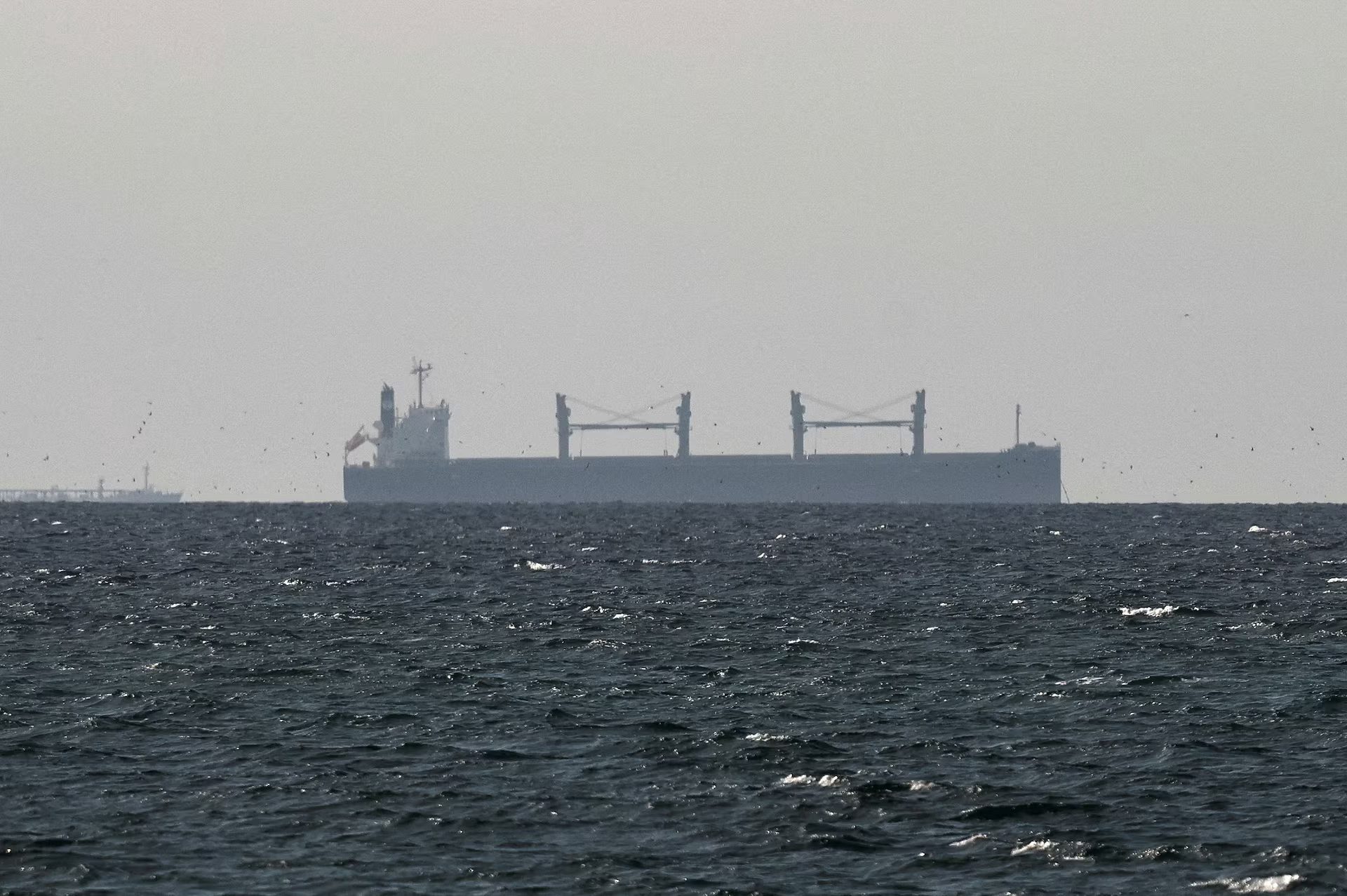
On Saturday, United States President Donald Trump called on allied nations to send warships to reopen the strategic Strait of Hormuz, intensifying international engagement in the escalating confrontation with Iran.
On Saturday, Iran issued a warning to escalate the ongoing conflict in the Middle East by threatening to target any facility in the region associated with the US. This comes in response to Washington’s bombing of Kharg Island, the country’s primary energy hub responsible for 90 percent of its crude oil exports.
As the war progressed into its third week, a missile struck the US embassy in Baghdad, Iraq, which was an important sign that the rising tensions between Washington and Tehran were extending throughout the broader Middle East.
On Saturday, the Israeli military announced that it had eliminated two high-ranking Iranian intelligence officials in a strike in Tehran, occurring just days after their appointment to replace the former head of the directorate, who was assassinated on February 28.
On Saturday, the UN Secretary-General, António Guterres, urged the international community to put an end to the war and enhance support for the government and people of Lebanon, cautioning that the southern region of the country “risks being turned into a wasteland.”
Reports indicated that the projectile landed within or near the heavily fortified diplomatic zone, raising concerns about the safety of diplomatic personnel and the potential for further retaliatory strikes.
Similarly, global financial markets have experienced a significant decline as crude oil prices stay above the $100-per-barrel threshold, indicating increasing investor concern regarding the intensifying crisis in the area.
Trump stated that numerous countries would deploy warships to ensure the Strait of Hormuz remains open for shipping, though he did not specify which countries would participate.
“Numerous nations, particularly those impacted by Iran’s efforts to close the Hormuz Strait, will be deploying warships alongside the United States to ensure the Strait remains open and secure,” Trump stated in a post on Truth Social.
According to a Reuters report, Trump expressed his hope that China, France, Japan, South Korea, Britain, and other nations would dispatch ships to the area.
“In the meantime, the United States will be aggressively targeting the shoreline and persistently engaging Iranian boats and ships,” he wrote.
The White House has yet to respond to a request for comment regarding whether any countries have agreed to send ships.
Western nations have increased their military presence in the eastern Mediterranean amid the conflict in Iran, prioritizing the security of Cyprus following an Iranian-made drone strike on a British military base on the island on March 2.
On Thursday, Defence Minister John Healey stated that Britain was considering further deployment options to the Gulf in response to Iran’s increased attacks on vessels.
A spokesperson for the Ministry of Defence stated on Saturday that the British government was in discussions with allies and partners regarding various options to guarantee the security of shipping in the region.
The French Navy is sending approximately twelve naval vessels, which include its aircraft carrier strike group, to the Mediterranean, the Red Sea, and possibly the Strait of Hormuz to provide defensive support for allies facing threats from the conflict.
According to French officials, France has been in discussions with European, Asian, and Gulf Arab states over the past week to formulate a plan for the eventual escort of tankers through the strait.
Iran Promises to Take Action Following Assault on Energy Infrastructure
In the meantime, Iranian Foreign Minister Abbas Araghchi has stated that his country will strike the facilities of US companies in the Middle East if its energy infrastructure comes under attack.
“Should Iranian facilities come under attack, our forces will respond by targeting the facilities of American companies in the region or those in which the United States holds shares,” he stated.
Araghchi stated that although “the Strait of Hormuz is open,” Iran will not permit “the oil tankers and vessels of enemies and their allies” to transit through.
US: Kharg Island, Iran’s Oil Center, Destroyed
US forces have conducted extensive strikes on Kharg Island, a vital center for Iran’s Gulf oil activities. US Central Command reported that naval mine storage facilities and missile storage bunkers were included among the targets destroyed in the “precision strike” on the island, successfully hitting “90 Iranian military targets” while “preserving the oil infrastructure.”
Kharg Island, a small yet strategically significant island located 15 miles off the coast of Iran in the Persian Gulf, hosts an oil terminal responsible for shipping 90 percent of the nation’s oil exports.
Military capabilities are present as well, featuring air defenses and mines concealed underground.
Israel Reveals Two Top Intelligence Officers in Tehran
The Israeli military announced on Saturday that it had eliminated two high-ranking Iranian intelligence officials in a strike in Tehran, occurring just days after their appointment to replace the former head of the directorate, who was assassinated on February 28.
Israel announced that the two individuals, named Abdollah Jalali-Nasab and Amir Shariat, held senior positions within the intelligence directorate of Khatam al-Anbiya, which serves as the central operations command for the Iranian military.
The Israeli military reported that the pair was killed on Friday.
The military announced that they had replaced Saleh Asadi, who was the head of the intelligence department at Khatam al-Anbiya, following his death on the first day of the war.
“After the removal of the head of the Intelligence Directorate, Saleh Asadi, at the onset of Operation Roaring Lion, Jalali and Shariat were designated as his successors,” the military stated.
“Both were closely associated with the leadership of the Iranian terrorist regime,” it stated, noting that the intelligence branch of the Khatam al-Anbiya Emergency Command is tasked with analyzing intelligence.
The military stated, “The intelligence is presented to senior officials in Iran’s security system during frequent situational assessments, on the basis of which the war against the State of Israel is conducted.”
The military reports that several high-ranking Iranian officials, including Supreme Leader Ali Khamenei, were killed in the initial wave of strikes launched in coordination with the United States on February 28.
Markets Decline as Crude Oil Remains Above $100
In a similar vein, global markets experienced a significant decline as oil prices remained elevated above $100 a barrel due to the continuing US-Israeli conflict with Iran, which has resulted in the closure of the Strait of Hormuz and caused the most substantial oil supply disruption ever recorded.
Iran Declares Strait of Hormuz Remains Open Yet Under Its Authority
Navy Commander of the Islamic Revolutionary Guard Corps, Alireza Tangsiri, stated on Saturday that Iran has not closed the Strait of Hormuz, emphasizing that the crucial waterway is “only being controlled.”
Tangsiri alleged that the United States is disseminating misleading information regarding the destruction of Iranian vessels and the escorting of oil tankers.
“The Americans have made false claims about destroying our ships and escorting oil tankers, and now they seek support from others,” Tangsiri stated in a post on X.
The United States Dismisses Initiatives for Ceasefire Negotiations
According to three sources familiar with the efforts, the US has rejected attempts by Middle Eastern allies to initiate diplomatic negotiations to resolve the US-Israel war, as reported by Reuters.
Iran has dismissed the prospect of a ceasefire until the US and Israeli strikes cease, according to two senior Iranian sources who spoke to the news agency. They also noted that multiple countries have been attempting to mediate a resolution to the conflict, including Oman, which has been suggested as a potential channel for ceasefire discussions involving key officials from both Iran and the US.
A senior White House official has confirmed that Trump has rejected attempts to initiate ceasefire discussions and is determined to continue the war to further diminish Tehran’s military strength, as reported by Reuters.
A third source reportedly indicated that Iran’s leading security official, Ali Larijani, along with Foreign Minister Abbas Araghchi, had also aimed to utilize Oman as a channel for ceasefire discussions that would have included US Vice President JD Vance. Nevertheless, those discussions have yet to come to fruition.
Iran’s Foreign Minister, Araghchi, has called on Gulf neighbors and other Middle Eastern countries to “expel foreign aggressors” as retaliatory attacks echo across the region.
“The US security umbrella, once praised, has revealed numerous vulnerabilities, appearing to invite rather than deter trouble,” wrote Araghchi.
“The US is currently seeking assistance from others, including China, to ensure the safety of Hormuz.” Iran urges its neighboring countries to remove foreign aggressors, particularly since their primary focus is on Israel,” he added.
Guterres Calls for an End to the War in the Middle East
Addressing journalists in the J1
In the capital, Beirut, after two weeks of extensive destruction caused by the US and Israeli bombing of Iran, Guterres observed that Hezbollah’s rocket fire into Israel in support of Tehran was met with a “devastating” Israeli bombing campaign, which is “rendering large portions of Lebanon uninhabitable.”
“The war was not chosen by the Lebanese people.” “They were pulled into it,” he continued.
“The war must stop,” the UN chief stated, emphasizing that there is no military solution to the ongoing conflict in the Middle East, but rather a diplomatic one in accordance with the UN Charter.