Bank of England is set to replace Churchill on UK banknotes with wildlife in a significant redesign of cash
The Bank of England is set to introduce wildlife-themed banknotes, moving away from historical figures like Churchill, as public consultation shows a preference for nature-inspired designs.
The Bank of England has revealed intentions to revamp British banknotes, substituting notable historical figures like Winston Churchill with depictions of wildlife indigenous to the United Kingdom.
The decision signifies a significant change in the design of British currency, concluding over fifty years in which prominent figures such as Jane Austen appeared on the reverse side of pound notes.
The central bank announced that the upcoming series of £5, £10, £20, and £50 notes will feature animals and natural elements from various regions of the country, following a public consultation that indicated significant backing for a nature theme.
The Bank of England reported that nature was the most favored choice among approximately 44,000 consultation responses, with historical figures coming in third place. The bank announced that the new designs will seek to embody images that represent the UK, connect with the public, and steer clear of divisive themes.
Nonetheless, this action could ignite political controversy amidst the ongoing intense discussions surrounding national identity and historical symbols in Britain.
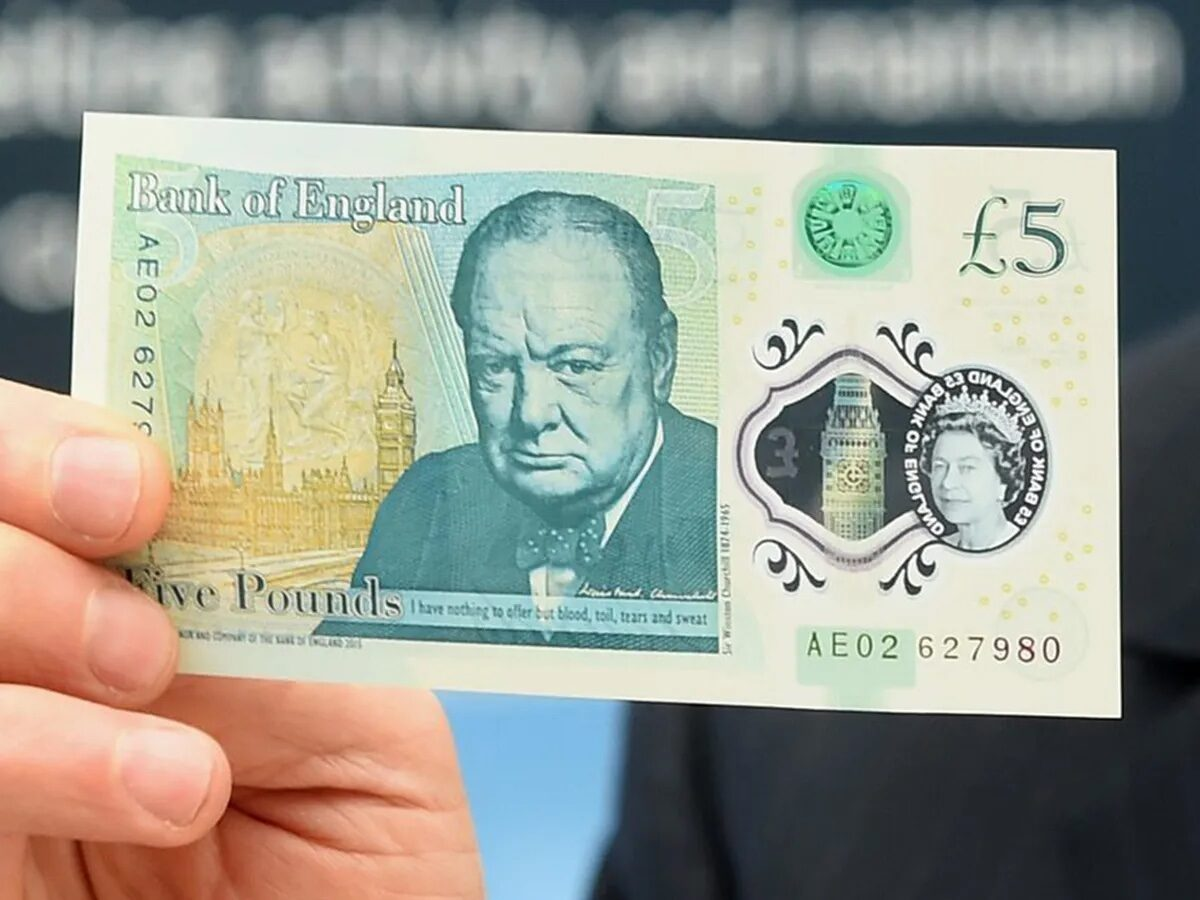
Churchill, often considered one of the UK’s most important leaders, has been closely linked with Conservative political identity for a long time. A decade ago, the wartime prime minister replaced social reformer Elizabeth Fry on the £5 note, a decision that faced criticism for eliminating the sole female representation on British currency.
The topic of national symbols has grown more delicate in recent years. Amid the anti-racism protests associated with the Black Lives Matter demonstrations in 2020, the statue of Churchill in London was covered, reflecting broader discussions regarding Britain’s imperial history and its public monuments.
Certain Conservative politicians had earlier expressed their disapproval of the notion of eliminating historical figures from banknotes when the consultation was initiated, labeling the proposal as an instance of unnecessary political correctness.
Political figures from the right have also expressed their views. Nigel Farage and members of Reform UK have often voiced their criticisms of the Bank of England regarding economic matters, while supporters have claimed that the government is neglecting national icons, even though the decision to redesign lies with the central bank, rather than the Treasury or Chancellor Rachel Reeves.
The proposed redesign will see wildlife imagery taking the place of other historical figures currently depicted on banknotes, such as painter J. M. W. Turner and mathematician Alan Turing. The front side of the notes will still feature King Charles III, who took the throne in 2022.
The Bank of England announced that the new designs might include plants, landscapes, and various natural elements in addition to wildlife imagery.
Victoria Cleland, the bank’s chief cashier, stated that the theme offers innovative possibilities while enhancing note security. “Nature serves as an excellent option for banknote authentication, allowing us to highlight the UK’s diverse and abundant wildlife in the upcoming series,” she remarked, noting that dynamic elements could be incorporated into the designs.
“For instance, we might depict a bird with its wings in motion.” “We could have a deer running,” Cleland remarked during an interview.
The redesign comes after several modifications to British currency in recent years. In 2016, the Bank of England commenced the transition from paper banknotes to more secure polymer alternatives that are more difficult to counterfeit. In 2022, paper £20 and £50 notes were no longer considered legal tender, following the earlier withdrawal of paper £5 and £10 notes.
While banknotes continue to be in circulation, their usage has significantly decreased with the rise of digital payments. UK Finance reports that cash represented 48 percent of payments in 2014, but this figure plummeted to only 9 percent by 2024, as card and mobile transactions have become the primary methods for everyday purchases.
Historical figures first graced British banknotes in 1970, showcasing notable individuals like William Shakespeare, Charles Darwin, and Adam Smith.
In 2013, when Churchill was presented with the £5 note, Mervyn King, the then Bank of England governor, remarked that it was appropriate to feature the wartime leader on what he referred to as Britain’s most beloved banknote. At that time, he proposed that the river could potentially be referred to as “the Winston,” a nickname that ultimately did not gain popularity.