As Iran suppresses dissent and warns that its security forces are ready, air strikes intensify throughout the Middle East.
The US and Israel conducted air strikes against Iran throughout the Middle East on Wednesday, and Tehran warned that its security forces were ready to respond to any anti-government protests.
The assaults represent one of the most intense bombardments in the area to date, with confrontations affecting locations in Israel, Lebanon, and the Gulf as the conflict reaches its 12th day.
The conflict has interrupted shipping in the Strait of Hormuz, stopping about one-fifth of global oil exports. Following a spike in crude oil prices earlier this week, global energy markets and stock indices found stability as investors speculated that US President Donald Trump would aim to resolve tensions.
According to the Wall Street Journal, the International Energy Agency has suggested the most significant release of oil reserves ever to help stabilize crude prices. In the meantime, Iran’s Islamic Revolutionary Guard Corps pledged to obstruct Gulf oil shipments if US and Israeli attacks do not come to an end.
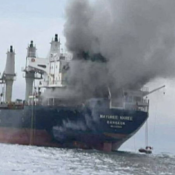
Maritime incidents have taken place, including a cargo vessel being struck in the Strait of Hormuz, which led to the evacuation of its crew. Additionally, another container ship has reportedly suffered damage off the coast of the UAE.
Overnight, millions of Israelis sought refuge in bomb shelters as air raid sirens echoed throughout the nation.
Explosions from intercepting rockets broke the pre-dawn darkness, though it remained uncertain if any missiles had struck the ground.
The spokesman for Iran’s armed forces, Abolfazl Shekarchi, urged regional nations to disclose “US Zionist hiding places” to enhance the accuracy of strikes and reduce civilian casualties. He stated that Iran would react to assaults aimed at residential zones.
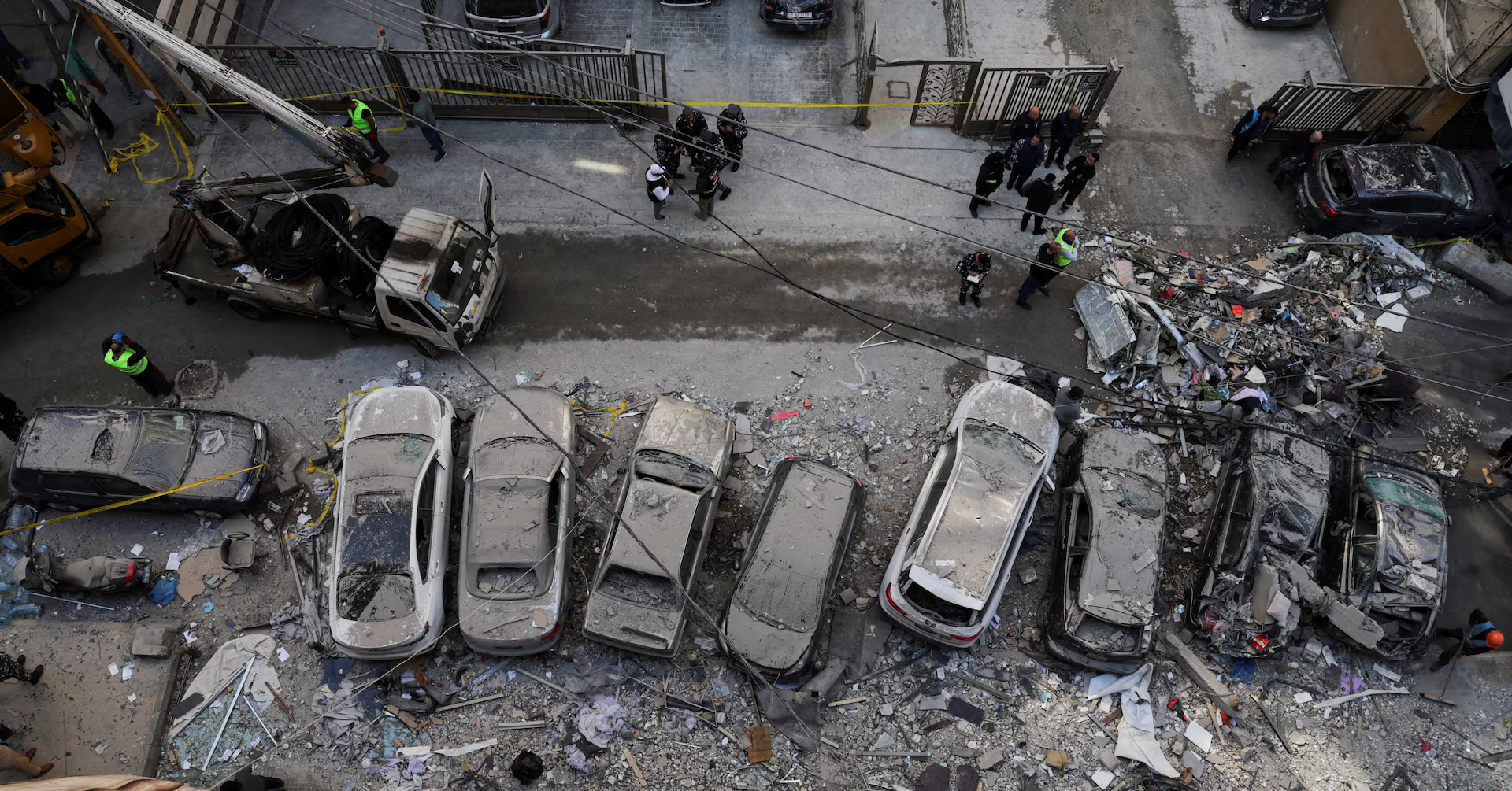
At the same time, Israel conducted extensive bombardments in Beirut, focusing on the Iran-backed Hezbollah group, which has launched attacks into Israel from Lebanon in support of Tehran.
Within Iran, demonstrations expressed support for the new supreme leader, Mojtaba Khamenei, as the government stifled opposition.
Police chief Ahmadreza Radan cautioned that those protesting at the behest of foreign powers would be regarded as adversaries, asserting that all security forces had “fingers on the trigger.”
Dozens have been arrested by authorities, including a foreign national who is accused of espionage.
Iran’s UN ambassador reports that over 1,300 civilians have lost their lives since the onset of air strikes, with nearly 8,000 homes and numerous commercial, medical, and educational facilities having been destroyed.
In the region, casualties continue to rise: at least 11 have been killed in Iranian strikes on Israel, numerous fatalities have occurred in Israeli attacks on Lebanon, and seven US soldiers have lost their lives, with around 140 others injured.
The situation in the Middle East continues to be tense, with the conflict showing minimal signs of abating, as Iran enforces strict measures domestically to uphold its authority amid the escalating war.