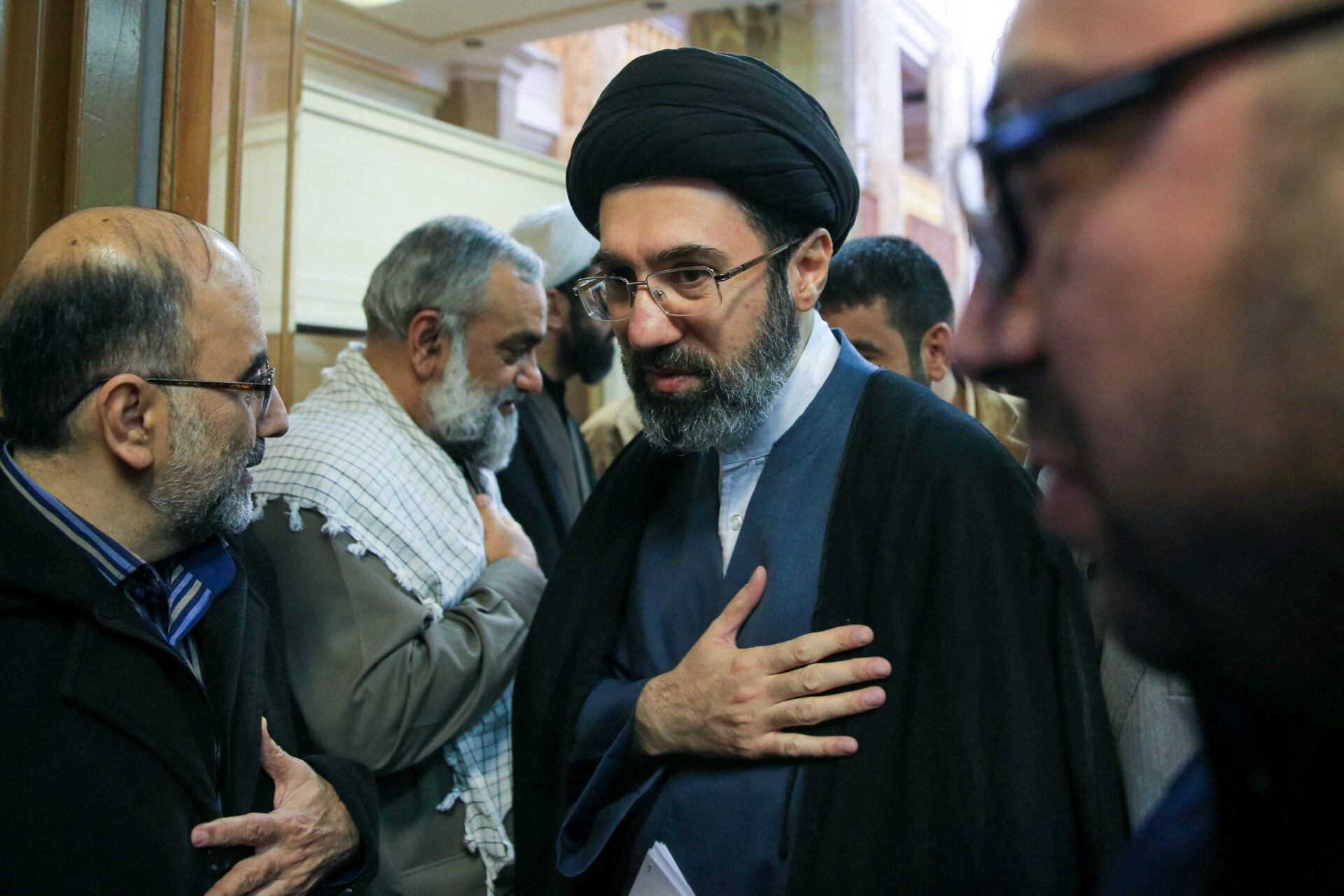
Iran’s newly appointed Supreme Leader Mojtaba Khamenei sustained minor injuries but is continuing to fulfill his duties, an Iranian official informed Reuters on Wednesday after state television referred to him as war wounded.
Since his selection on Sunday by a clerical assembly, Khamenei has been invisible to Iranians and has not released any public statement or message. Widespread rumors suggest that the Israeli and U.S. strikes may have injured him. As a hardliner associated with the Islamic Revolutionary Guards Corps, Khamenei emerged as the primary candidate to take over from his father, Ayatollah Ali Khamenei, who was killed in the initial wave of strikes on February 28.
The official refrained from providing specifics regarding the timing of Khamenei’s injury or the reasons behind his lack of public statements since his appointment.
The initial air strikes in the conflict targeted the leadership of Iran, resulting in the deaths of Khamenei’s mother, sister, and wife, alongside his father, as reported by state television. “His Eminence Ayatollah Seyyed Mojtaba Khamenei is now the bearer of the legacy of his martyred father, mother, sister, and wife,” a news anchor announced on state television, employing Khamenei’s full titles and honorifics. “He, a janbaz of the Ramadan War, continues the journey of the proud and steadfast martyrs of this land,” the anchor further stated, referencing an Iranian term for a wounded veteran and the name given to the ongoing conflict due to its occurrence during Islam’s fasting month.
A senior Israeli official told Reuters that Israel’s intelligence assessment suggests Khamenei sustained light wounds, explaining his absence from public view.
Sources have informed Reuters that the new supreme leader was propelled into position with significant backing from the Revolutionary Guards.
For many years, he has been at the helm of his father’s office, referred to in Persian as the “beyt,” playing a direct role in the administration of the Iranian state. Nonetheless, he remains relatively unknown to the average Iranian, having made only a limited number of public speeches or appearances in the past.