The UK has eliminated the last hereditary peers, bringing an end to centuries-old aristocratic positions in the House of Lords under Prime Minister Keir Starmer.
Prime Minister Keir Starmer informed parliament that “the nation moves forward together” following the legislation that eliminated the remaining hereditary peers from the House of Lords.
The House of Lords approved the Hereditary Peers Bill on Tuesday evening, marking the culmination of a reform initiated over 25 years ago and delivering on a significant manifesto commitment from Starmer’s Labour government to update the upper chamber.
Angela Smith, the leader of the Lords, stated that the chamber serves a “vital role within our bicameral parliament, but no one should occupy a seat in the House solely by virtue of an inherited title.”
“Passing this bill marks a significant initial step towards reforming the Lords, with additional changes to come regarding members’ retirement and participation requirements,” she added.
Before the reform, 92 hereditary peers maintained the right to sit and vote, a temporary compromise following the removal of over 600 peers in 1999 by former Prime Minister Tony Blair, who described the system as an “anachronism.”
According to the new regulations, approximately 15 hereditary peers from the Conservative party will receive life peerages, with each political party determining their nominations.
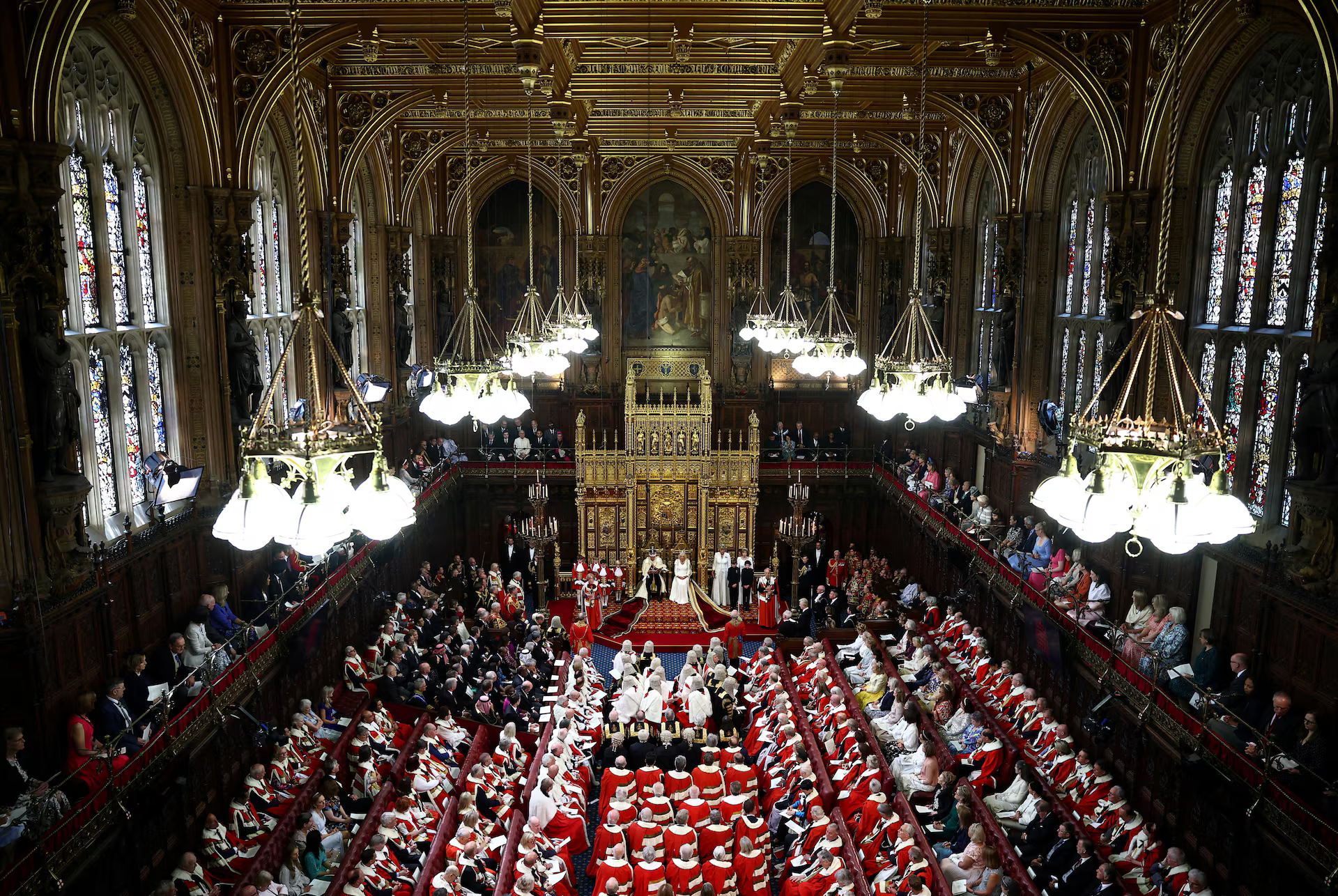
The opulent red and gold chamber of the Palace of Westminster currently houses approximately 800 members, primarily appointed for life by the prime minister based on party or independent commission recommendations, along with bishops from the Church of England and, until recently, several hereditary peers.
Critics have consistently advocated for a revamp of the appointments system, arguing that it fosters cronyism and has resulted in the largest upper chamber globally, surpassing the 650 elected members of the House of Commons.
The Lords can propose amendments to legislation, but they do not possess the power to block it, while the elected House of Commons can override any modifications made.