The courtroom proceedings regarding the Charlie Kirk murder case are currently centered on the question of whether the public will have the opportunity to observe the trial as it progresses.
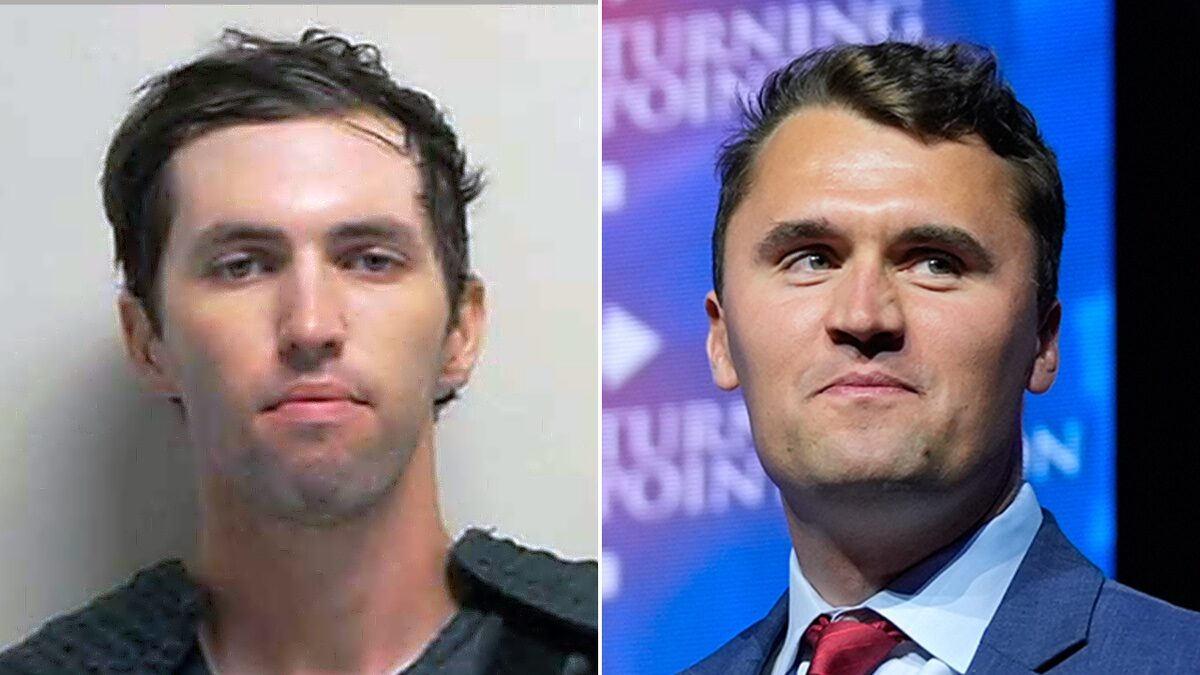
Prosecutors in Utah are resisting attempts by the defense to eliminate cameras from the courtroom in the forthcoming trial of 22-year-old Tyler Robinson, who is charged with the murder of conservative activist Charlie Kirk. Court filings acquired by TMZ reveal that Robinson and his legal team contend that the presence of cameras may compromise his right to a fair trial due to the significant national focus on the case.
Prosecutors assert that transparency is precisely what this moment demands.
The prosecution stated in their filing that “maintaining public access to court proceedings aids in countering the spread of misinformation,” contending that limiting access might permit rumors and conspiracy theories to proliferate without restraint.
Authorities also highlighted various misleading narratives that are currently spreading online. Among them were baseless assertions implying foreign participation in Kirk’s death, including conspiracy theories alleging that Israel was responsible for the killing. Prosecutors argue that open court coverage is essential in addressing such claims, as it enables the public to witness the legal process directly.
Robinson faces accusations of fatally shooting Kirk on September 10, 2025, at Utah Valley University. Officials report that Robinson subsequently admitted to his father that he was responsible for the shooting. Investigators report that his father subsequently notified a youth pastor who is also affiliated with the U.S. Marshals Service.
Robinson eventually surrendered at the Washington County Sheriff’s Office at approximately 10 p.m. on September 11.
Utah prosecutors have charged Robinson with aggravated murder, felony discharge of a firearm resulting in serious bodily injury, and obstruction of justice. The court has yet to decide on the allowance of cameras during the trial proceedings, which could significantly impact media coverage and public perception of the case.