Finland suggests removing a long-standing prohibition on nuclear weapons within its borders to enhance NATO’s deterrent capabilities in light of escalating tensions.
Finland is set to remove its long-standing prohibition on hosting nuclear weapons, as the government aims to bring the nation into closer alignment with NATO’s collective defense and deterrence strategy in light of a deteriorating European security landscape.
Defense Minister Antti Häkkänen stated that Finland’s strategic outlook has “fundamentally and significantly changed” since Russia initiated its full-scale invasion of Ukraine in 2022, compelling the Nordic nation to reassess its long-standing defense policies.
In 2023, Finland ended its long-standing policy of military neutrality to become a member of NATO, a decision driven by increasing apprehension regarding the security risks associated with Moscow. The suggested legal modifications would permit the introduction of nuclear weapons into Finland if deemed necessary for the nation’s military defense within the alliance framework.
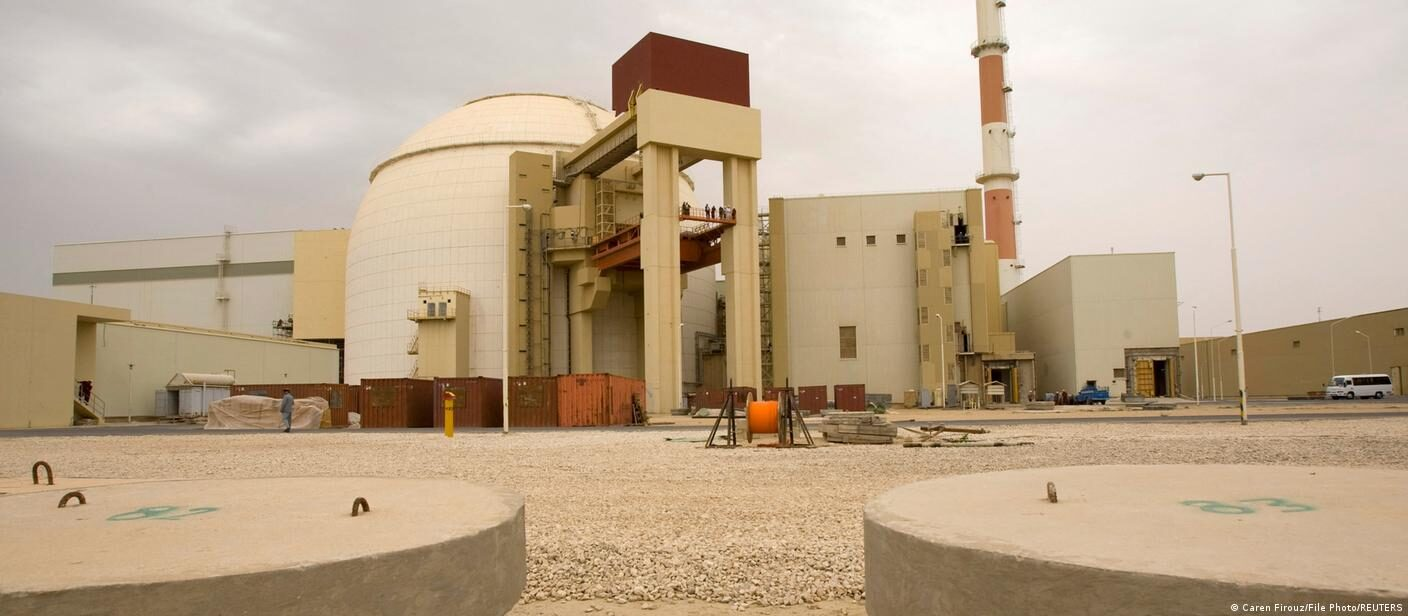
According to the 1987 Nuclear Energy Act, the import, manufacture, possession, and detonation of nuclear explosives are strictly prohibited on Finnish territory, even in times of war. The government’s proposal seeks to amend the law to allow for the transportation, delivery, or possession of nuclear weapons in Finland, provided it is linked to national defense.
“The amendment is essential for strengthening Finland’s military defense within the alliance and maximizing the benefits of NATO’s deterrence and collective defense,” Häkkänen stated to reporters at a news conference.
The foundation of NATO’s nuclear deterrence strategy is the principle of collective defense. The alliance comprises multiple nuclear-armed nations, indicating that an assault on any single member might provoke a nuclear reaction. The Center for Arms Control and Non-Proliferation reports that various European nations currently host United States nuclear weapons.
Finland’s proposal would necessitate changes to both the Nuclear Energy Act and the criminal code, particularly to address the implications of nuclear energy use and safety regulations in light of its geographical proximity to Russia. The governing coalition on the right, which maintains a majority in parliament, announced that the proposal will be available for consultation until April 2, prior to its formal presentation to lawmakers.
The Nordic nation has a 1,340-kilometer border with Russia, which is the longest border between Russia and any member of the European Union or NATO. Finnish leaders have consistently cautioned that the security landscape has worsened since the onset of the war in Ukraine, particularly due to increased military threats from Russia and the need for enhanced defense measures in response to these developments.
In April 2023, Finland joined NATO as its 31st member, a decision that many perceive as a significant strategic blow to Russian President Vladimir Putin, who has consistently opposed the alliance’s expansion to the east. Sweden, its neighbor, became a NATO member the next year, significantly altering the security dynamics of the region.
Since that time, NATO has broadened its military presence throughout northern Europe, enhancing deployments in the Arctic and Baltic Sea areas while strengthening its eastern flank.
The Finnish proposal emerges as European governments enhance their defence collaboration in light of the war in Ukraine and increasing geopolitical instability. Recent incidents involving drones spotted over European airports and military bases, which some officials have linked to “hybrid warfare,” have heightened discussions surrounding collective security.
Earlier this week, France and Germany revealed initiatives to enhance nuclear deterrence collaboration with European partners.
Swedish Prime Minister Ulf Kristersson indicated a potential change in policy, stating that Sweden’s long-held stance against hosting foreign troops or nuclear weapons would no longer be relevant if the country encountered a significantly altered security landscape.