China has established a growth target of 4.5–5% as Premier Li cautions about the “grave and complex” economic challenges faced both domestically and internationally.
China has indicated a preference for continuity in its economic policy, establishing a modestly lower growth target for 2026 as the nation contends with an ongoing property downturn, subdued domestic demand, and escalating geopolitical tensions.
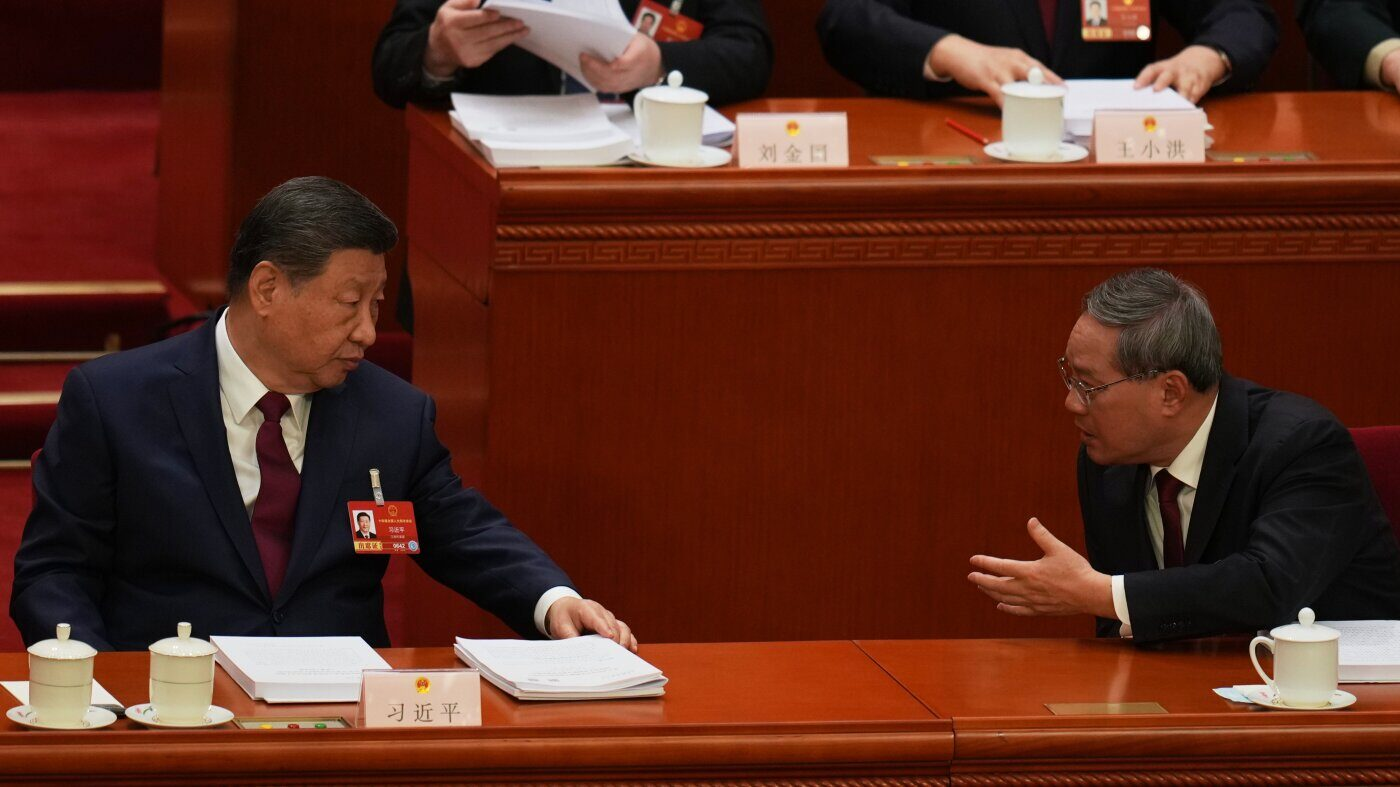
During the opening session of the National People’s Congress, Premier Li Qiang presented the government’s annual work report, stating that the world’s second-largest economy is targeting an annual growth rate of between 4.5 percent and 5 percent for this year.
The target is somewhat below the 5 percent growth achieved by China last year and is lower than the approximately 5 percent targets established in the past three years, marking it as the lowest official growth goal since 1991.
“As we acknowledge our accomplishments, we remain fully aware of the obstacles and challenges ahead,” Li stated while presenting a significant portion of the 35-page report during his lengthy address to nearly 3,000 delegates.
The report indicates that Beijing is striving to achieve two primary goals: revitalizing the sluggish economy through increased domestic spending and advancing the strategic aspirations of Chinese leader Xi Jinping to elevate the nation into a global technological powerhouse.
The government is making significant investments in fields like artificial intelligence, robotics, and other advanced technologies, all while aiming to lessen reliance on the United States and other nations for high-end semiconductors and essential components.
The report stated that, consistent with its recent policy approach, the government will maintain support for domestic demand but is not expected to implement any broad stimulus measures to boost growth.
“Beijing remains focused on enhancing industrial self-sufficiency rather than increasing household consumption,” stated Neil Thomas.
In its draft budget for 2026, the government has reduced the annual increase in defense spending to 7 percent, which is a slight decrease from the 7.2 percent increases observed in recent years.
The National People’s Congress, primarily a ceremonial legislature that generally supports decisions made by the ruling Communist Party, is anticipated to endorse the government’s annual report and budget during its closing session next week. Delegates will also review a new five-year plan that details policy priorities leading up to 2030.
The economic outlook for China is becoming increasingly complex due to rising external pressures, such as trade tensions and conflicts that are impacting global energy markets.
Similar to numerous Asian economies, China depends significantly on oil and natural gas imports from the Middle East, and the persistent conflict in the region has increased prices and jeopardized supply stability.
A government report has cautioned that global trade conditions are worsening due to escalating geopolitical tensions.
It also recognized structural challenges domestically, highlighting an “acute” imbalance between robust manufacturing supply and subdued consumer demand, along with the challenges of shifting to new sources of economic growth.
“For many years, we have rarely faced such a serious and intricate situation, where external shocks and challenges are interwoven with various domestic issues and difficult decisions,” Li stated.