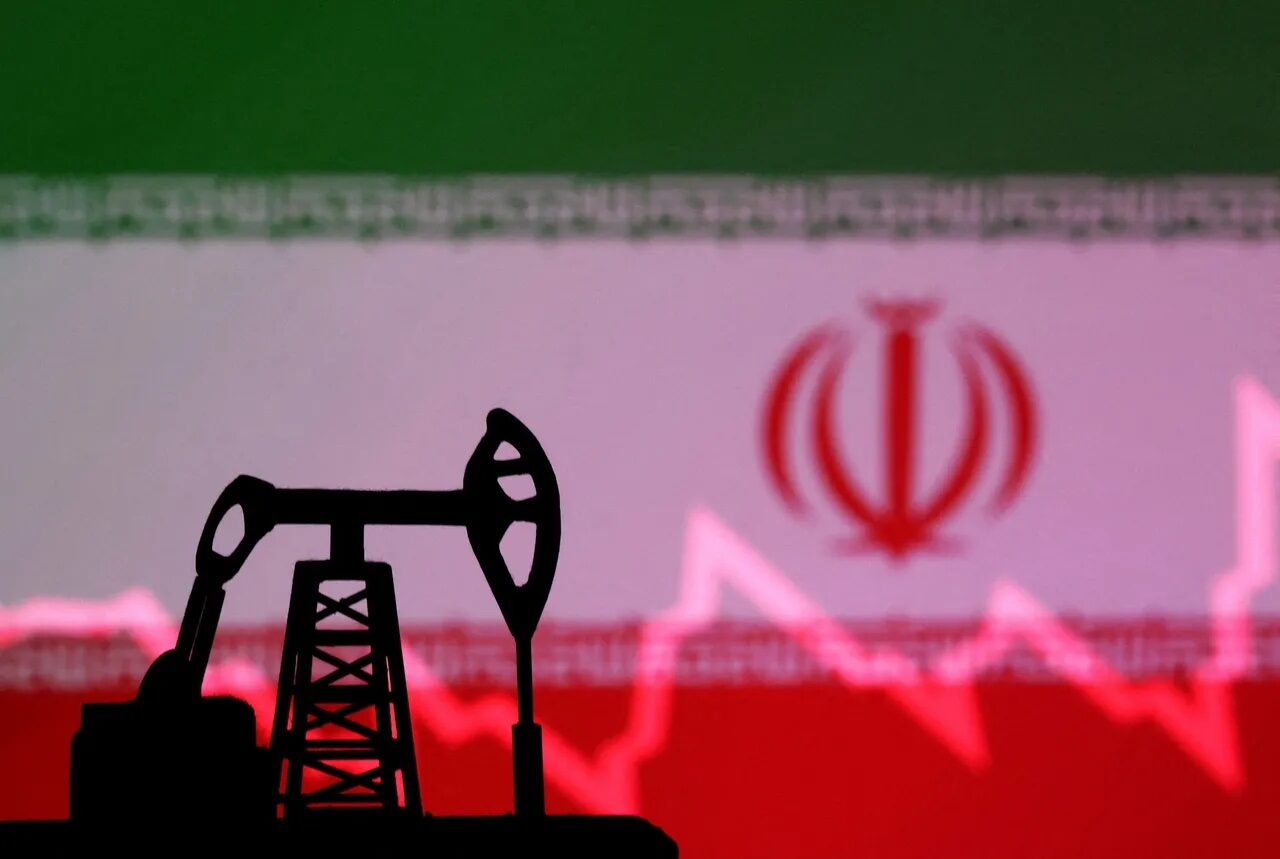
Brent crude surged 10% to approximately $80 a barrel in over-the-counter trading on Sunday, according to oil traders, as analysts forecasted that prices might reach as high as $100 following U.S. and Israeli strikes on Iran, which have escalated tensions in the Middle East into a new conflict.
This year, the global oil benchmark has surged, hitting $73 a barrel on Friday, marking its highest level since July, driven by increasing worries about potential attacks that emerged the following day. Futures trading is not available during the weekend. “Although the military attacks are inherently supportive for oil prices, the crucial element in this situation is the closure of the Strait of Hormuz,” stated Ajay Parmar, director of energy and refining at ICIS.
According to trade sources, the majority of tanker owners, oil majors, and trading houses have halted shipments of crude oil, fuel, and liquefied natural gas through the Strait of Hormuz, following a warning from Tehran to ships regarding passage through the waterway. Over 20% of the world’s oil passes through the Strait of Hormuz. “We anticipate that prices will open (after the weekend) significantly nearer to $100 a barrel and may even surpass that threshold if there is an extended disruption in the Strait,” Parmar stated.
Leaders in the Middle East have cautioned Washington that military action against Iran might cause oil prices to soar beyond $100 a barrel, according to RBC analyst Helima Croft. Rabobank analysts are somewhat less optimistic, anticipating that prices will remain above $90 a barrel in the short term.
The OPEC+ coalition of oil producers reached an agreement on Sunday to boost output by 206,000 barrels per day (bpd) starting in April, a slight increase that accounts for less than 0.2% of global demand.
Although alternative infrastructure may be employed to circumvent the Strait of Hormuz, the overall consequence of its closure would result in a reduction of 8 million to 10 million bpd of crude oil supply, even with some flows redirected through Saudi Arabia’s East-West pipeline and Abu Dhabi’s pipeline, according to Rystad energy economist Jorge Leon.
Rystad anticipates an increase in prices by $20, bringing them to approximately $92 a barrel when trading commences.
The Iran crisis led Asian governments and refiners to evaluate their oil stockpiles, as well as explore alternative shipping routes and supplies.
Kpler analysts indicated during a webinar on Sunday that India may seek Russian oil to compensate for possible supply shortages from the Middle East.