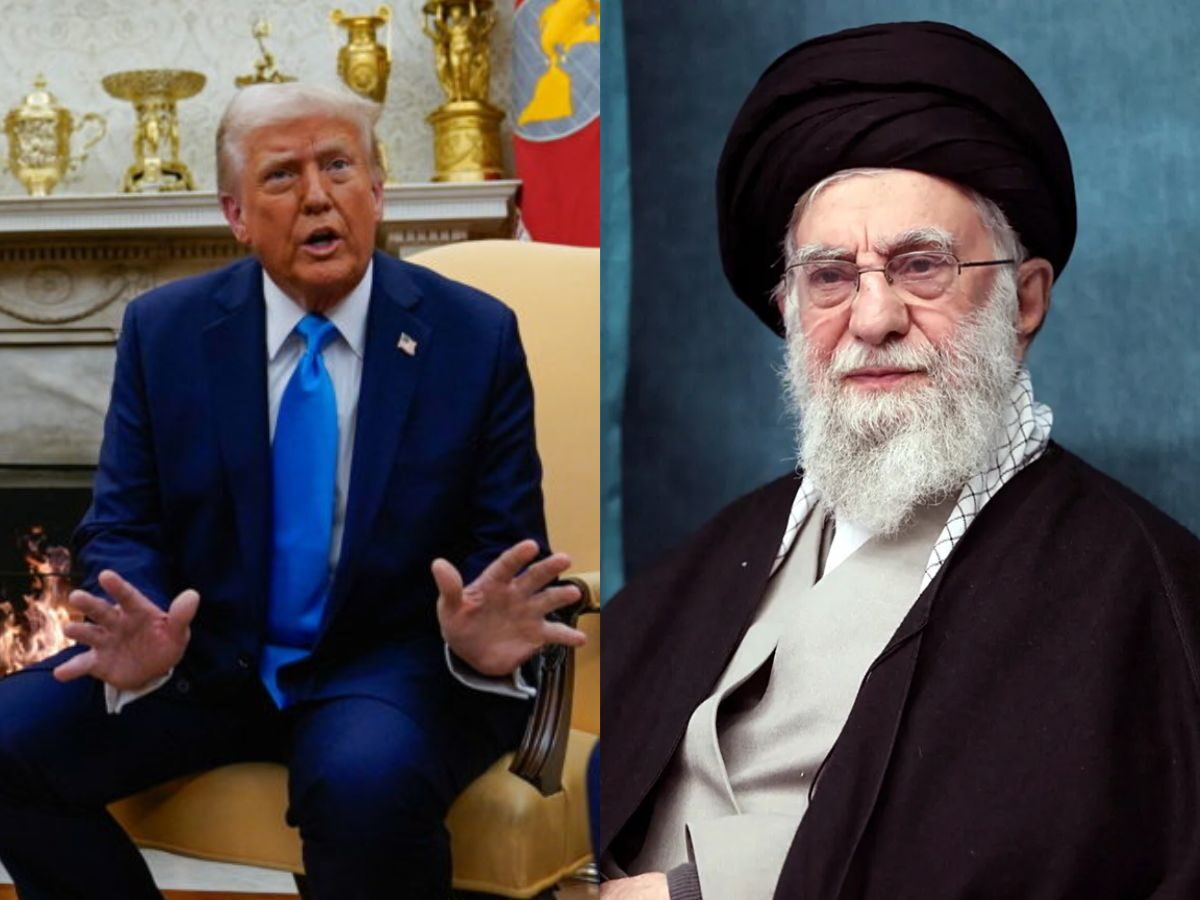
The Iranian government has dismissed US assertions as “big lies” following Trump’s warnings regarding missiles, terrorism sponsorship, and turmoil in Tehran.
Iran has charged the United States with disseminating “big lies” regarding its missile program and domestic turmoil in the wake of President Donald Trump’s State of the Union address.
Esmaeil Baqaei, the spokesperson for Tehran’s foreign ministry, refuted allegations regarding Iran’s nuclear program, ballistic missiles, and the casualty figures from recent protests. “Whatever they’re claiming about Iran’s nuclear program, Iran’s ballistic missiles, and the casualties from January’s unrest is merely a reiteration of ‘big lies,'” he stated on X, the social media platform previously known as Twitter.
During his record 107-minute speech, Trump informed lawmakers that Iran has “already developed missiles that can threaten Europe and our bases overseas, and they’re working to build missiles that will soon reach” the United States. He labeled Iran as “the world’s number one sponsor of terror” and asserted that at least 32,000 protesters were killed during the recent unrest in the country.
In spite of these cautions, Trump dedicated merely three minutes to discussing Iran, expressing a preference for diplomacy while asserting that the US has yet to hear Iran utter “those secret words: ‘We will never have a nuclear weapon.'” His speech provided minimal insight into whether military action against Tehran is still a serious option, although he has sent the largest US military presence to the Middle East since the 2003 Iraq invasion.
Iranian officials maintain that uranium enrichment is a matter of national sovereignty and consistently refute any claims of pursuing a nuclear weapon, despite evidence over the years suggesting that the country has experimented with materials associated with nuclear weapons development. Mohammad Bagher Qalibaf, the speaker of Iran’s parliament, emphasized Tehran’s commitment to negotiations while cautioning that any military threats would provoke a response. “If you opt for a diplomatic approach that honors the dignity of the Iranian nation and acknowledges mutual interests, we will also participate at that table.” However, should you choose to revisit previous experiences through deceit, falsehoods, misguided assessments, and misleading information, and initiate an assault during negotiations, you will certainly encounter the resolute response of the Iranian nation and its defensive forces,” he stated.
The third round of indirect US-Iran nuclear talks is set to occur tomorrow in Geneva, with mediation from Oman and participation from Trump’s special envoys, Steve Witkoff and Jared Kushner. Experts indicate that the increased rhetoric and continued military deployments may complicate negotiations intended to avert a resurgence of the nuclear arms race in the area.
In the State of the Union address, Trump criticized Democrats, labeling them as “crazy” and “anti-American,” which prompted applause from Republican lawmakers. Several Democrats left the event prematurely, among them Senator Mark Warner of Virginia, who shared on Bluesky that he “couldn’t sit through an hour of Trump’s lies.” In the meantime, Trump emphasized his domestic accomplishments, presenting medals to Olympians and National Guard members, and characterized his first year back in office as a “turnaround for the ages,” even in the face of low approval ratings and voter apprehensions regarding the economy.
The condemnation from Iran regarding US statements highlights the profound mistrust that exists between the two nations, particularly as nuclear negotiations reach a pivotal moment. Observers warn that the combination of aggressive rhetoric and military posturing threatens to hinder diplomatic advancements in Geneva.