Trump Moves Nearer To Iran Conflict As Allies Urge Him To Shift Focus To Economy
Trump inches nearer to a possible conflict with Iran as advisors advocate for an emphasis on economic issues ahead of the midterm elections.
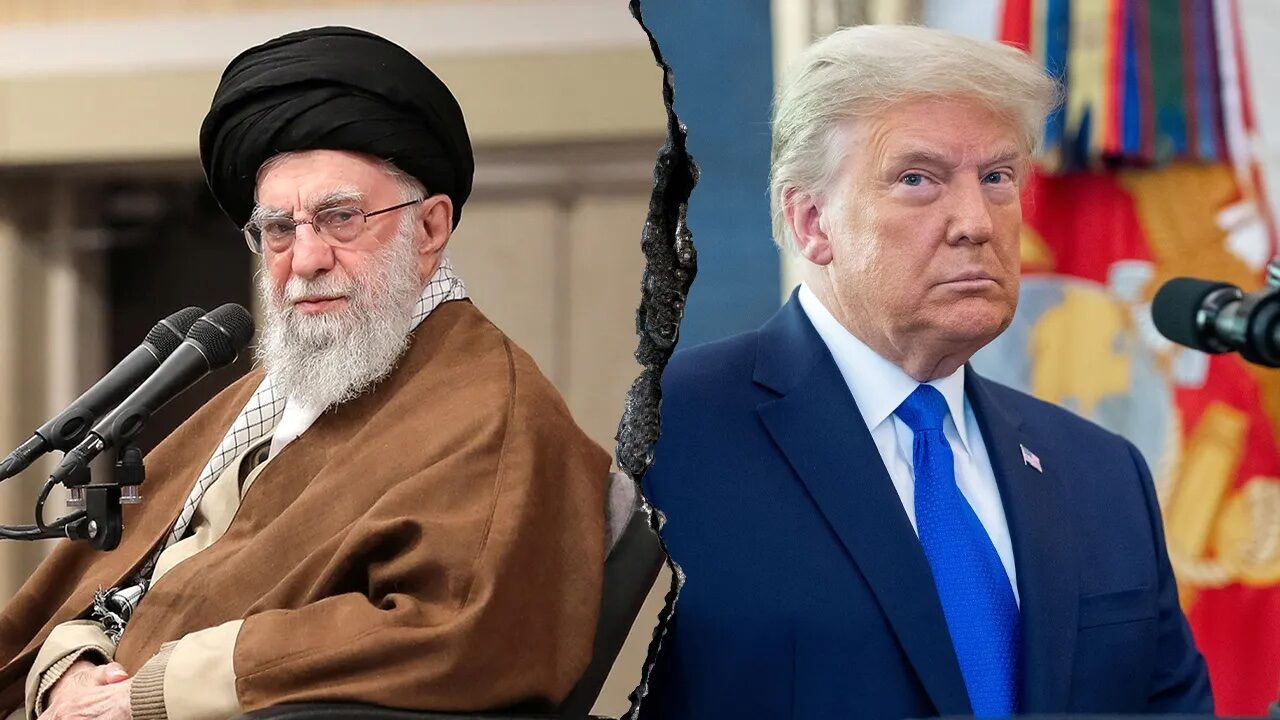
President Donald Trump has moved the United States nearer to a possible conflict with Iran, despite senior aides and Republican strategists advising him to focus on voters’ economic issues in the lead-up to November’s midterm elections.
Trump has initiated a substantial military buildup in the Middle East, incorporating aircraft carriers, warships, and warplanes, while reports indicate that preparations are in progress for a potential multi-week air campaign aimed at Iranian nuclear facilities.
Nevertheless, the president has yet to provide the American public with a comprehensive explanation for what may turn out to be the most forceful US response to Iran since the 1979 Islamic Revolution.
A senior White House official indicated that there remains a lack of “unified support” within the administration for initiating an attack, even in light of Trump’s increasingly assertive rhetoric.
Advisers are reportedly cautious about conveying what one official referred to as a “distracted message” to undecided voters, who are primarily concerned with inflation, housing costs, and prescription drug prices.
During a recent private briefing with cabinet secretaries and Republican campaign officials, the economy was highlighted as the foremost political priority. A person familiar with the discussion stated that Trump was not present at the meeting.
In addressing inquiries, another White House official supported the president’s foreign policy strategy, asserting that it has yielded “wins for the American people” and emphasizing that all measures are intended to prioritize “America First,” whether in terms of national security or economic benefits domestically.
The elections in November will decide if Republicans continue to hold power in both chambers of Congress. Experiencing a loss of one or both to Democrats would greatly limit Trump’s actions for the rest of his second term.
Republican strategist Rob Godfrey cautioned that an extended conflict with Iran could present political risks for Trump, highlighting that a significant portion of his political base continues to be wary of foreign military involvement following years of campaigning against “forever wars.” He mentioned that independent voters will be paying close attention to how the president presents his arguments for any possible military action.
While numerous supporters of Trump’s “Make America Great Again” movement backed last month’s swift action that removed Venezuelan President Nicolas Maduro, Iran poses a significantly greater challenge. Experts indicate that any escalation may entail increased military and political risks.
Trump has consistently warned of potential military action against Iran should it fail to secure a new agreement regarding its nuclear program. He emphasized that warning again on Friday, stating that Tehran “should negotiate a fair deal.” In June, the United States focused on Iranian nuclear sites, leading Tehran to issue a stern warning of significant retaliation if further attacks occur.
Although Trump secured re-election in 2024 by pledging to lower inflation and steer clear of expensive foreign entanglements, he has faced challenges in persuading voters that prices are decreasing, as indicated by public opinion polls. Certain Republican strategists contend that supporters might endorse military action if it is executed quickly and explicitly linked to safeguarding US security and economic stability.
In the past, foreign policy has seldom played a crucial role in midterm elections. However, with significant US forces already stationed in the area, Trump might encounter pressure to take action or risk being perceived as weak if Iran does not yield to demands.
Critics argue that the administration has provided inconsistent and at times unclear reasons for potential strikes, ranging from addressing Iran’s suppression of protests to insisting on a halt to uranium enrichment and even suggesting the possibility of regime change. In contrast, they observe, previous administrations presented more comprehensive public arguments prior to significant military interventions.
Officials at the White House assert that Trump favors diplomatic solutions and emphasizes the necessity for Iran to reach an agreement that halts its development of nuclear weapons capability.
As tensions escalate, both Trump’s political allies and his adversaries will be observing intently to determine if he can navigate the complexities of foreign policy while addressing the domestic economic issues that a significant number of Americans prioritize.