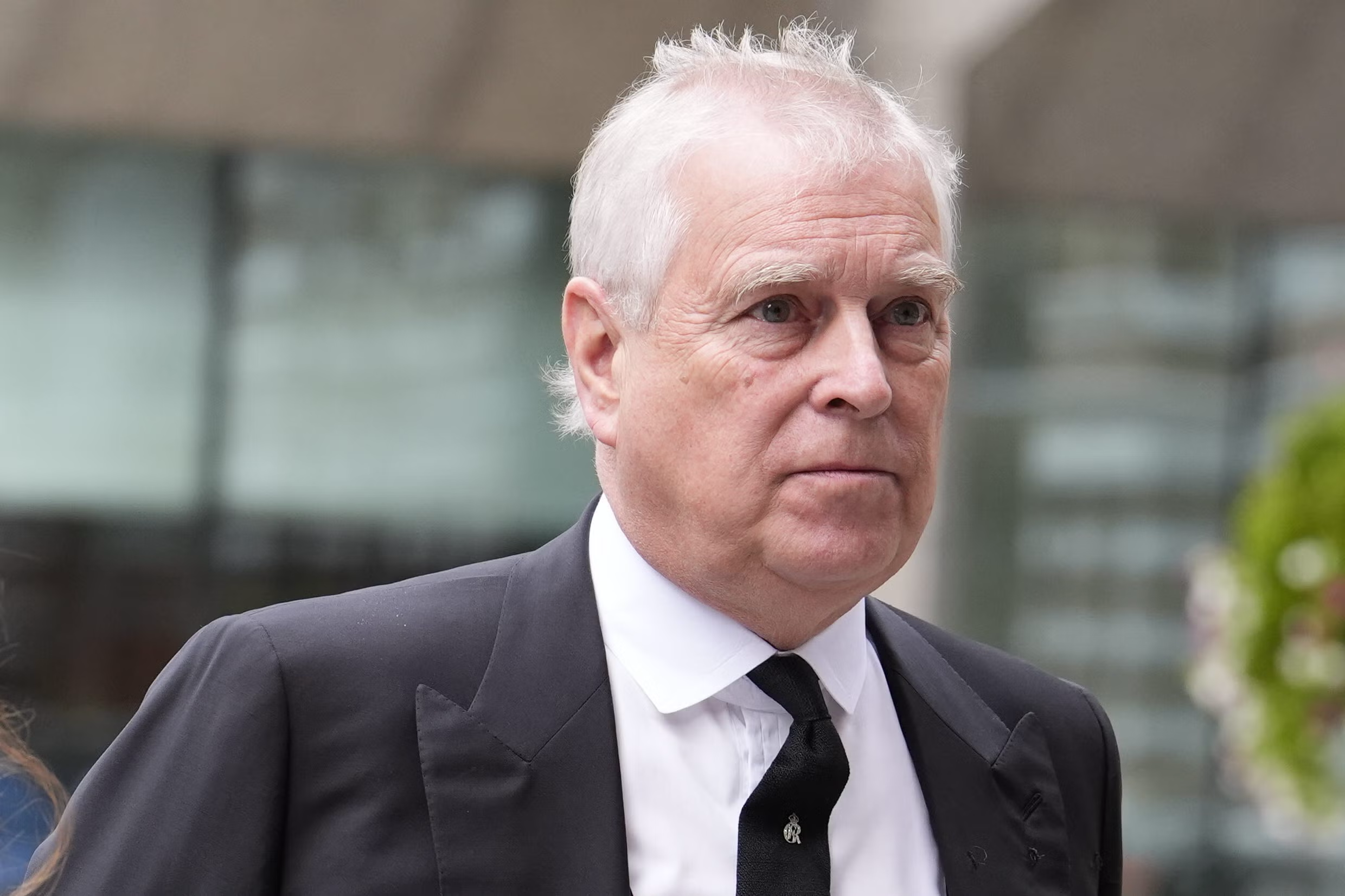
Andrew Mountbatten-Windsor is under renewed examination regarding claims of taxpayer-funded massages during his tenure as an envoy
Whistleblowers allege that Andrew Mountbatten-Windsor charged taxpayers for massage services and extravagant trips, prompting worries about oversight and accountability.
Recent allegations have brought fresh scrutiny to Andrew Mountbatten-Windsor’s time as the UK’s trade representative, with former civil servants asserting that he billed taxpayers for massage services in addition to expensive international travel.
The assertions pertain to Andrew’s tenure as the UK Special Representative for International Trade and Investment from 2001 to 2011, during which he conducted international trips funded by public resources. Retired officials from the trade department have indicated that internal concerns were raised regarding specific expenses, notably a contested claim for “massage services” after an official trip to the Middle East.
A former civil servant recounted their struggle against the payment, ultimately finding themselves overruled by higher authorities. “I believed it was incorrect…” “I had insisted that we shouldn’t pay it, yet we ultimately paid it regardless,” he conveyed to the BBC. The Department for Business and Trade has refrained from contesting the claim, instead highlighting an ongoing police investigation concerning the former prince.
Despite the role being unpaid, Andrew’s international engagements received funding from taxpayers, while civil servants offered logistical and administrative support. He has persistently denied any misconduct related to his public responsibilities and has also dismissed claims linked to his relationship with convicted sex offender Jeffrey Epstein, asserting that he did not gain personally from his role as an envoy.
Years later, the former civil servant reflected on the situation with a sense of regret that the issue had not been escalated further. “I can’t say it would have stopped him, but we should have recognized that something was amiss,” he said, implying it might have indicated a need for more careful examination at that moment.
A former senior Whitehall official, who oversaw financial matters, confirmed the claims, expressing that he had “absolutely no doubt” regarding their authenticity. He characterized the expenditures on flights, accommodation, and accompanying staff during Andrew’s trips as excessive, noting that the financial controls seemed inadequate.
“I couldn’t believe it… it felt as though it wasn’t real money; they weren’t using any of their own funds,” the official remarked, pointing out that tracking expenditures was often challenging due to fragmented budgeting and ambiguous records of the personnel involved in trips. He stated that approvals were often granted with a “rubber stamp” instead of undergoing thorough scrutiny.
The BBC reported that although there is no documentary evidence of the massage expense from over twenty years ago, there is confirmation of the whistleblowers’ closeness to the financial processes during that period. No unlawful conduct has been established concerning the claims, which is a significant point to note.
The allegations have come to light once again, coinciding with increased examination of Andrew’s history, which includes mentions in US legal cases associated with Jeffrey Epstein. Juan Alessi, a former employee of Epstein, stated that Andrew received a “daily massage” during his visits. Separate email records also mentioned payments for massages for a “Andrew,” although it is still uncertain if this referred to the former prince.
Biographer Andrew Lownie, currently revising his book Entitled, has stated that restricted access to official records has hindered a comprehensive evaluation of Andrew’s tenure in the role. Numerous Freedom of Information requests have allegedly been rejected, with officials referencing the extensive amount of documentation required.
Political pressure is increasing, as lawmakers are anticipated to deliberate on an inquiry regarding the accountability of trade envoys. The Liberal Democrats are advocating for a parliamentary debate, whereas former Conservative minister Tom Tugendhat has requested a formal investigation to be conducted by MPs, peers, and judges.
Further criticism has emerged from a former UK Trade and Investment official, who indicated that Andrew’s involvement in overseas trips might occasionally obstruct rather than facilitate diplomatic and trade initiatives. “Andrew was perceived as a burden.” He deviated from the script, believing himself to be an expert, though he was not. “He believed he was amusing while being disrespectful to others,” the official remarked.
He also pointed out that thorough preparations for visits could be compromised by erratic behavior, mentioning that officials frequently hesitated to voice their concerns in the moment. “No one would voice their concerns; it wouldn’t benefit your standing,” he remarked.
The Department for Business and Trade has clarified that Andrew’s position is distinct from the structured trade envoy roles in place today, which function under more formal guidelines and oversight.
In the meantime, legal developments are progressing. Andrew Mountbatten-Windsor was recently taken into custody by Thames Valley Police on suspicion of misconduct in public office; however, no charges have been brought forth.