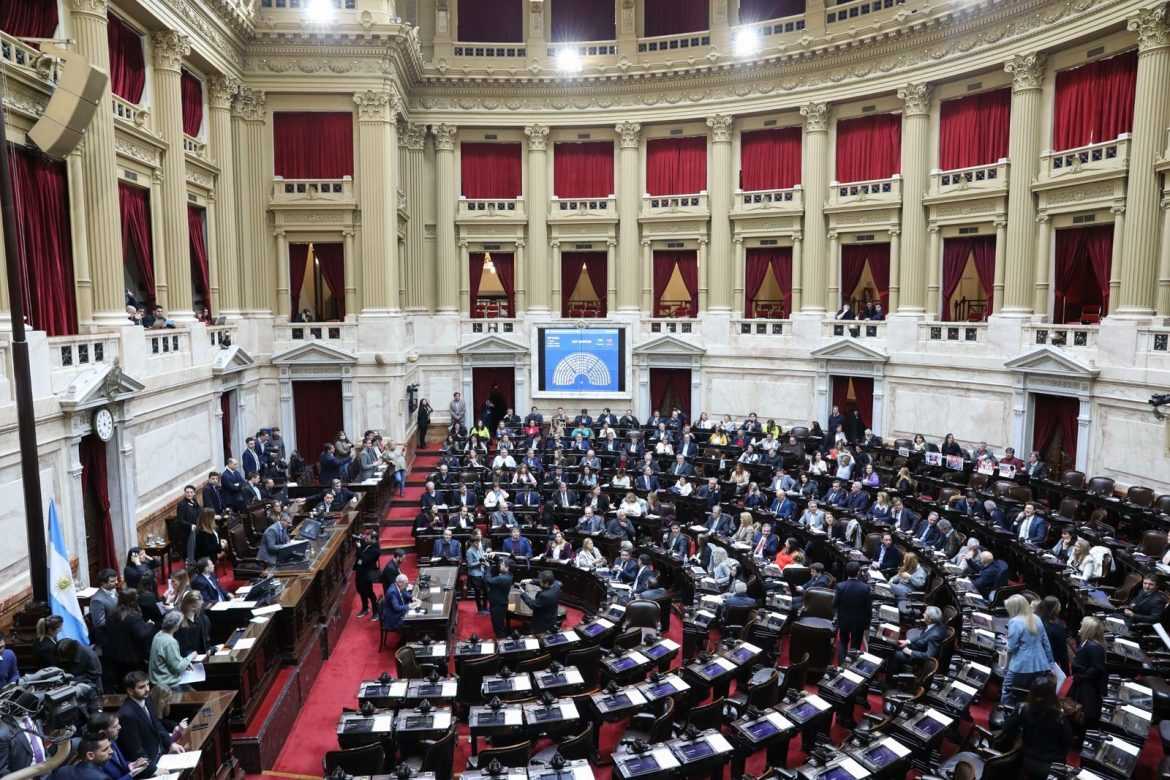
Argentina’s lower house of Congress was poised to vote on Thursday on a controversial labor reform supported by libertarian President Javier Milei, while unions organized a nationwide strike that has disrupted various regions of the country.
The CGT, Argentina’s largest umbrella union, asserts that the proposed overhaul jeopardizes established worker protections, such as the right to strike. In reaction, a 24-hour stoppage has been initiated, involving transport workers, public sector staff, and bank employees.
Aerolineas Argentinas, the state airline, announced that it anticipated the strike would lead to the cancellation of 255 flights, primarily within Argentina, resulting in losses of approximately $300 million.
The airport in Santiago, Chile’s capital, has announced the suspension of certain flights as a result of the strike.
The subway and numerous bus lines in Buenos Aires were also halted.
The strikers became members of the maritime workers’ federation, initiating a 48-hour walkout on Wednesday that focused on cargo vessel operations primarily in the port of Rosario, a significant hub for agricultural exports globally.
Analysis by maritime agency NABSA, reported by Reuters on Thursday, revealed that at least 12 grain ships were impacted, transporting approximately 381,000 metric tons of cargo, which included soybean meal, sunflower seeds, wheat, corn, barley, and biodiesel.
The government contends that the bill, which received approval from the Senate last week with backing from the ruling party and its center-right allies, aims to stimulate investment and foster formal employment.
Investors are attentively monitoring the legislation to determine if Milei possesses the authority to persist in executing his free-market agenda.
The reform would establish new restrictions on the right to strike by mandating that essential services uphold minimum operations during work stoppages.
Additionally, it would reduce severance expenses for employers by omitting specific bonuses from the compensation calculation.
The Chamber of Deputies is anticipated to cast its vote late on Thursday. Modifications to the bill would require it to return to the Senate for a concluding vote prior to its enactment as law.