An Iranian diplomat stated on Sunday that Iran is seeking a nuclear agreement with the U.S. that would provide economic advantages for both parties, just days ahead of a second round of discussions between Tehran and Washington.
Earlier this month, Iran and the U.S. resumed negotiations to address their longstanding disagreement regarding Tehran’s nuclear program and to prevent a potential military conflict. U.S. officials have informed Reuters that the country has sent a second aircraft carrier to the region and is readying itself for the potential of a prolonged military campaign should the negotiations fail to yield results.
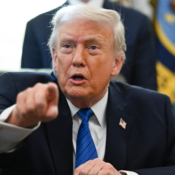
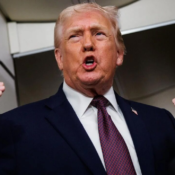
U.S. Secretary of State Marco Rubio, addressing a news conference in Bratislava, stated that President Donald Trump has expressed a preference for diplomacy and a negotiated settlement, although he acknowledged that this may not be achievable. “No one’s ever been able to do a successful deal with Iran but we’re going to try,” Rubio remarked.
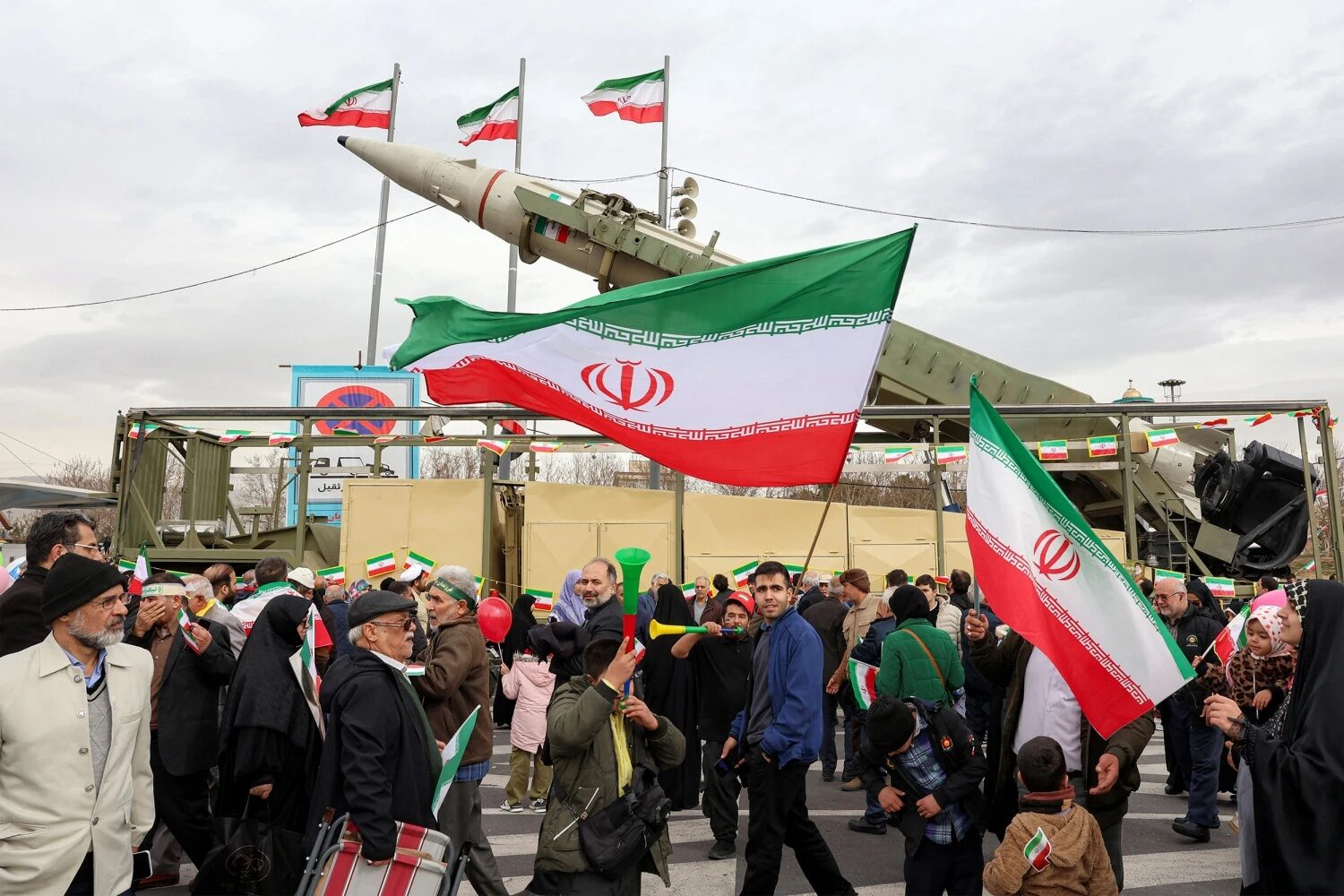
Iran has issued a warning regarding potential strikes on U.S. bases in the Middle East should it face an attack from U.S. forces; however, on Sunday, it adopted a more conciliatory stance.
“For the sake of an agreement’s durability, it is essential that the U.S. also benefits in areas with high and quick economic returns,” said Hamid Ghanbari, the foreign ministry’s deputy director for economic diplomacy, as reported by the semi-official Fars news agency. “Common interests in the oil and gas fields, joint fields, mining investments, and even aircraft purchases are included in the negotiations,” Ghanbari stated, contending that the 2015 nuclear pact with world powers had not secured U.S. economic interests.
In 2018, Trump pulled the U.S. out of the agreement that had relaxed sanctions on Iran in return for limitations on its nuclear program, and reinstated stringent economic sanctions on Tehran.
On Friday, a source informed Reuters that a U.S. delegation, featuring envoys Steve Witkoff and Jared Kushner, is scheduled to meet with Iranian officials in Geneva on Tuesday. This meeting was subsequently confirmed to Reuters by a senior Iranian official on Sunday. “Steve Witkoff and Jared Kushner will be traveling, I believe they are en route now, to engage in significant discussions, and we will see how that unfolds,” Rubio stated, without offering additional details.
The discussions that led to the 2015 nuclear agreement involved multiple parties, whereas the ongoing negotiations are limited to Iran and the United States, with Oman serving as the mediator.
Iran’s Foreign Minister Abbas Araqchi departed from Tehran to Geneva to participate in the indirect nuclear discussions with the U.S. and to meet with the head of the UN nuclear watchdog, the IAEA, among others, according to his ministry.
WILLING TO FIND COMMON GROUND
Deputy Foreign Minister Majid Takht-Ravanchi indicated Iran’s willingness to negotiate regarding its nuclear programme in exchange for sanctions relief, stating to the BBC on Sunday that it was “in America’s court to prove that they want to do a deal.”
A senior official highlighted the Iranian atomic chief’s statement from Monday, indicating that the country might consider diluting its most highly enriched uranium in return for the lifting of sanctions, showcasing Iran’s flexibility.
He emphasized once again that Tehran would not agree to zero uranium enrichment, which has been a significant obstacle in previous negotiations, as Washington perceives enrichment within Iran as a possible route to nuclear weapons. Iran refutes any claims of pursuing such weapons.
In June, the United States collaborated with Israel in a series of air strikes aimed at Iranian nuclear sites.
The United States is increasing its economic pressure on Iran. During a White House meeting earlier this week, Trump and Israeli Prime Minister Benjamin Netanyahu reached an agreement that the U.S. would take steps to decrease Iran’s oil exports to China, as reported by Axios on Saturday.
China represents over 80% of Iran’s oil exports, so any decrease in that trade would greatly diminish Iran’s oil revenue.