Donald Trump has authorized the conclusion of ICE deployment in Minnesota after a series of mass arrests, protests, court clashes, and political repercussions.
Donald Trump has decided to terminate a comprehensive federal immigration initiative in Minnesota, bringing Operation Metro Surge to a close following weeks of escalating protests, legal challenges, and political opposition.
Tom Homan, the administration’s border enforcement chief, confirmed the decision, stating that he had suggested ending the operation and that the president agreed. Operation Metro Surge, which commenced on 1 December, involved the deployment of around 3,000 armed agents from Immigration and Customs Enforcement (ICE) throughout the state, with a specific focus on Minneapolis.
Homan stated that the surge had met its goals, claiming that Minnesota was now “less of a sanctuary state for criminals” due to the heightened enforcement efforts. He stated that over 4,000 individuals had been apprehended during the operation. Last week, he initially announced that more than 700 ICE agents would withdraw following local officials’ agreement to transfer arrested immigrants into federal custody.
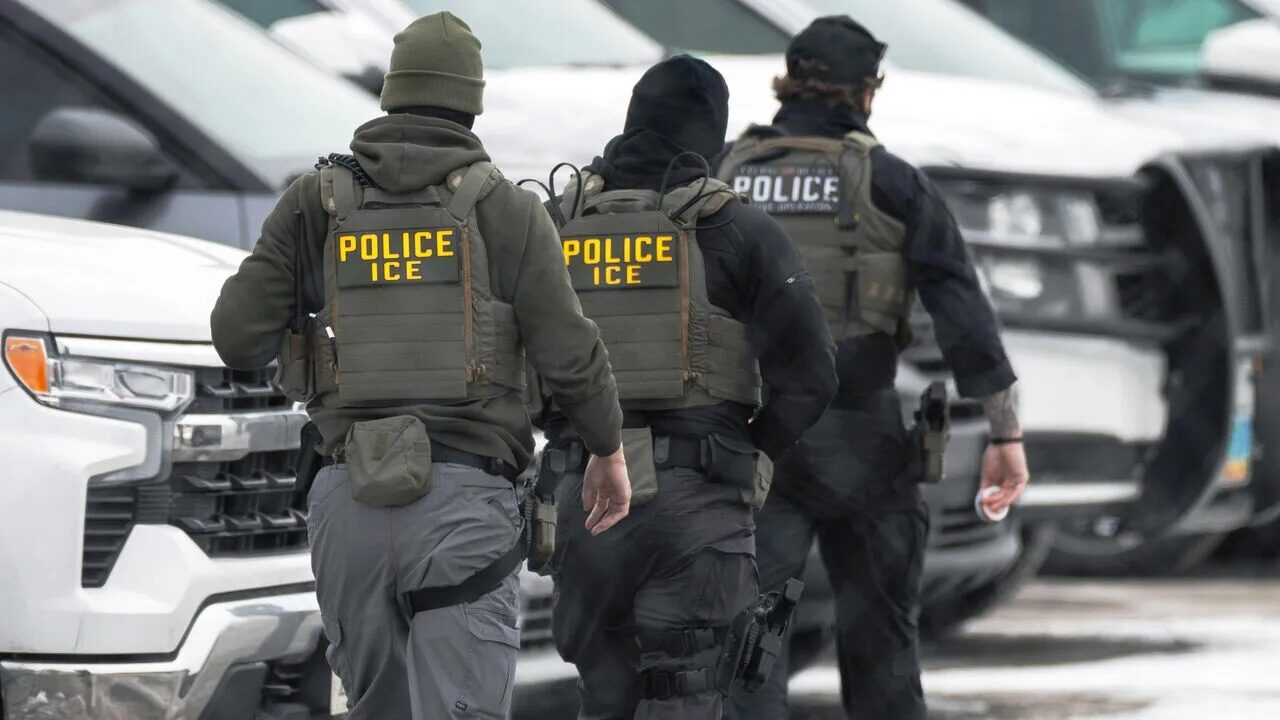
The operation was a component of the administration’s extensive deportation initiative and represented one of the largest focused ICE deployments in a single US state in recent years. Officers were often observed carrying out operations in military-style camouflage attire and face coverings, a visibility that attracted significant backlash from local leaders and civil rights advocates.
Protests broke out consistently in Minneapolis and nearby areas. Protesters criticized federal authorities for their aggressive tactics and for indiscriminately targeting immigrant families. Numerous rallies intensified into aggressive clashes. During clashes related to the enforcement actions, two protesters lost their lives, further escalating tensions.
One of the most contentious events was the shooting of 37-year-old Renee Nicole Good, a mother of three, by an ICE agent while she was in her car in early January. Officials stated that the shooting took place as an act of self-defence. In a separate incident, Alex Pretti, a 37-year-old intensive care nurse, was subdued and shot multiple times by federal agents during an encounter in Minneapolis. Both instances emerged as focal points for those opposing the operation.
Minnesota’s Democratic governor, Tim Walz, expressed strong opposition to the deportation sweeps during the operation. In response to the announcement regarding the end of the surge, he stated that “the long road to recovery starts now,” cautioning that the economic, educational, and social effects of the enforcement initiative would not be undone quickly.
Minneapolis Mayor Jacob Frey expressed his disapproval of the operation, declaring on social media that the city had experienced what he referred to as a “occupation.” He stated that community solidarity had ultimately triumphed over federal pressure.
The operation unfolded under increasing legal scrutiny. The chief federal judge in Minnesota issued a reprimand to officials from the Trump administration, indicating that ICE had disregarded numerous court orders that mandated the release of migrants who were reportedly wrongfully detained. The criticism heightened existing worries regarding due process and adherence to judicial decisions amid the surge.
Even with the agents’ withdrawal from Minnesota, Homan stressed that immigration enforcement would continue unabated. He characterized the conclusion of Operation Metro Surge as a tactical endpoint rather than a change in overarching policy, emphasizing that deportation efforts would persist in other areas as part of the administration’s comprehensive strategy.
The shutdown of the Minnesota operation signifies an important development in Trump’s wider immigration strategy, underscoring the extent of federal enforcement measures and the intense political, legal, and public opposition they have sparked.