The Minister of Foreign Affairs and International Cooperation, Olivier Nduhungirehe, has cautioned that numerous ceasefire declarations aimed at resolving the conflict in eastern DR Congo “will be in vain” unless the Congolese government demonstrates the political will to implement them.
Nduhungirehe made this statement on Thursday, February 12, just after the Angolan presidency revealed a proposed ceasefire between the Congolese government coalition and AFC/M23 rebels, which is anticipated to take effect on February 18, pending confirmation from the involved parties.
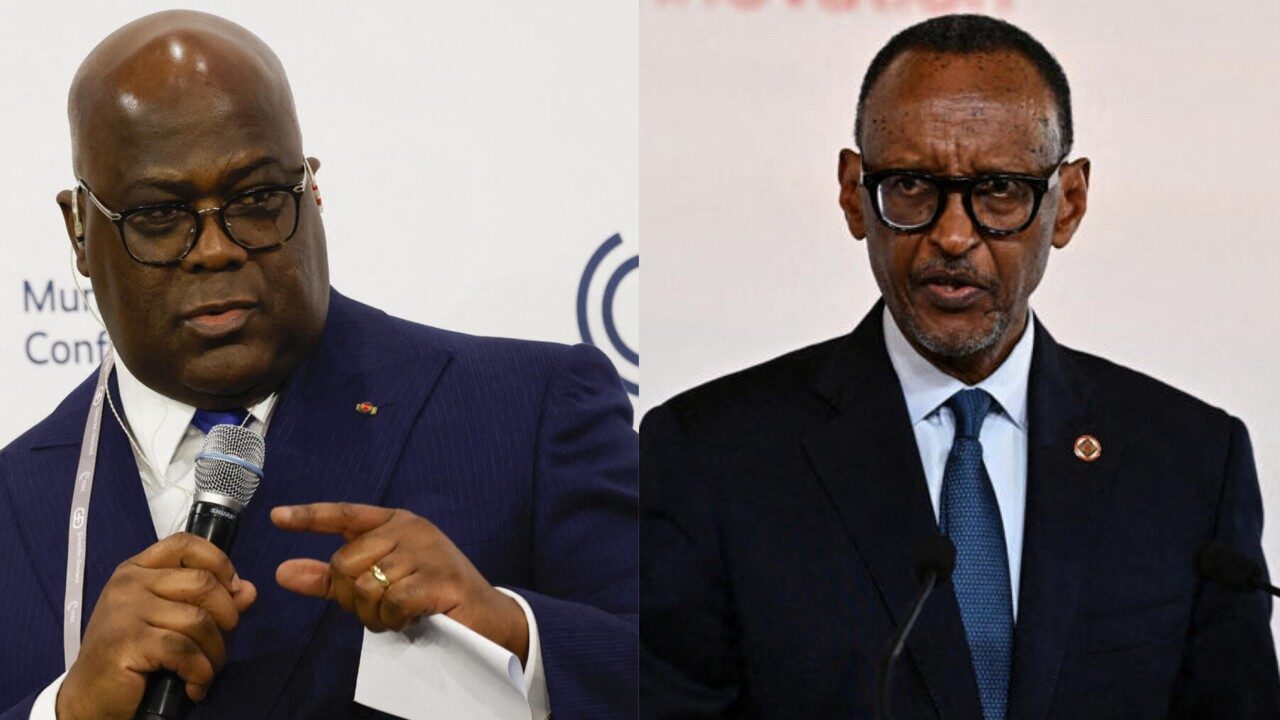
The proposal emerged from a meeting held in Luanda, which included Angolan President João Lourenço, DR Congo’s Felix Tshisekedi, Togo’s leader Faure Gnassingbe—who serves as the African Union-appointed mediator—and Nigeria’s former President Olusegun Obasanjo, one of six facilitators designated to assist the African-led peace process.
Nduhungirehe reflected in a post on X that multiple ceasefire and peace agreements have been signed in the last two years, yet conflicts continue to occur.
He referenced the 2024 humanitarian truce declared by the United States from July 4 to July 19, which was subsequently extended to August 3, along with the ceasefire agreement signed in Luanda between Rwanda and the DR Congo on July 31, effective from August 4.
In 2025, he observed that at least six peace agreements or ceasefire declarations were signed. These included the ceasefire declaration between Kinshasa and AFC/M23 on April 23, the Washington Declaration of Principles on April 25, the Washington Peace Agreement on June 27, the Doha Declaration of Principles on July 19, the Doha Framework Agreement on November 15, and the Washington Agreements on December 4.
“We can accumulate peace agreements or ceasefire declarations indefinitely, but as long as there is no political will from Kinshasa to halt its airstrikes and artillery attacks,” Nduhungirehe stated, “as long as President Tshisekedi remains fixated on an unlikely military solution, and as long as the international community continues to ignore Kinshasa’s actions, which are taken solely at its own discretion in violation of all these agreements, it will all be futile.”
The recently proposed ceasefire on February 18 enhances the Qatar-mediated peace process between Kinshasa and AFC/M23, which has been in progress since April 2025.
Earlier this month in Doha, the parties signed a mandate to establish a mechanism for overseeing compliance with the ceasefire, as part of wider efforts to resolve the conflict in eastern DR Congo.
In this framework, monitoring teams, spearheaded by the United Nations peacekeeping mission, MONUSCO, in collaboration with the International Conference on the Great Lakes Region (ICGLR), are tasked with verifying compliance and recording any violations.
The Angolan proposal came after a regional tour conducted by the AU-designated facilitators, who interacted with leaders from DR Congo, Rwanda, Burundi, and Uganda, along with representatives of AFC/M23, in an effort to strengthen support for the mediation process.
In the meantime, the United Nations has announced plans to send MONUSCO personnel to Uvira in South Kivu to assist in monitoring commitments related to the ceasefire framework and to aid in stabilization efforts.