Palestinians, Arab states, Israeli activists, and the UK have criticized Israel’s recent measures in the West Bank, asserting that they constitute a form of de facto annexation.
Israel’s recent actions to strengthen its control over the occupied West Bank have faced strong criticism from Palestinians, Arab nations, Israeli anti-occupation organizations, and the United Kingdom, with concerns raised that these measures effectively constitute annexation.
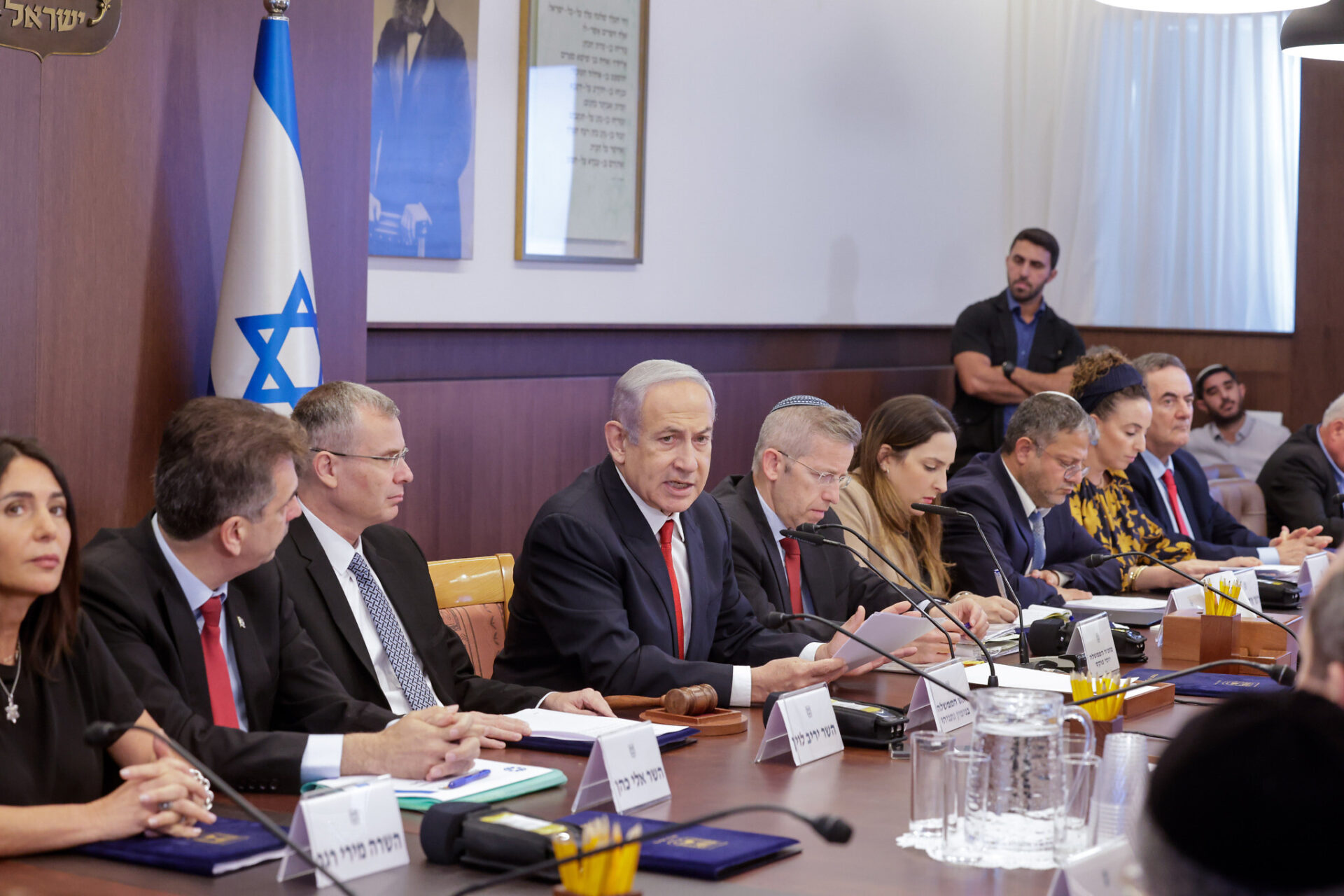
The decisions, sanctioned by Israel’s security cabinet and revealed by far-right Finance Minister Bezalel Smotrich, would notably simplify the process for Jewish settlers to obtain Palestinian land. Smotrich stated that the measures were intended to reinforce Israeli authority over the territory, asserting: “We will persist in eliminating the notion of a Palestinian state.”
All Israeli settlements in the West Bank are generally considered illegal under international law, a stance that Israel contests.
The measures, anticipated to receive formal approval from Israel’s senior military commander for the West Bank, broaden Israeli jurisdiction over property law, planning, licensing, and enforcement in the occupied territory. They were revealed only days ahead of a planned meeting in Washington between Prime Minister Benjamin Netanyahu and US President Donald Trump.
The United Nations reports that settlement expansion in the West Bank accelerated to its highest rate last year since monitoring commenced.
Included in the changes is the lifting of a long-standing prohibition on the direct sale of West Bank land to Jews, as well as the declassification of local land registry records. In the past, settlers were restricted to buying homes exclusively through registered companies on land governed by the Israeli state. The cabinet has also decided to repeal the requirement for transaction permits on property purchases, a measure intended to prevent fraud and illegal transfers.
Israeli ministers justified the actions as a means of promoting transparency. The foreign ministry stated that the reforms addressed what it referred to as a “racist distortion” that discriminated against Jews and non-Arab buyers in real estate transactions in the area Israel designates as Judea and Samaria.
Palestinians cautioned that the alterations would heighten pressure on landowners to sell and elevate the likelihood of forgery and coercion. Palestinian President Mahmoud Abbas characterized the measures as “dangerous,” alleging that Israel is trying to legitimize settlement expansion, land confiscation, and the demolition of Palestinian properties, even in regions governed by the Palestinian Authority. He called for action from the United States and the UN Security Council.
Israeli settlement monitor Peace The cabinet’s decision now poses a threat to the Palestinian Authority and effectively cancels existing agreements. The group charged the government with advancing what they termed “de facto annexation” and dismantling obstacles to what they described as extensive land theft in the West Bank.
The global response was immediate. The UK expressed its strong condemnation of the decision and urged Israel to reconsider, cautioning that any unilateral efforts to change the geographic or demographic nature of Palestinian territory are unacceptable and contrary to international law.
Foreign ministers from Egypt, Jordan, the United Arab Emirates, Indonesia, Pakistan, Turkey, Saudi Arabia, and Qatar expressed their disapproval of the move, characterizing it as a hastening of unlawful annexation efforts and the displacement of Palestinians. They cautioned that ongoing expansionist policies in the West Bank would merely exacerbate violence and instability throughout the region.