Iran is seeking alterations in the location and extent of discussions with the US, according to a source
Iran is insisting that discussions with the U.S. this week take place in Oman instead of Turkey, and that the focus be limited to bilateral negotiations concerning nuclear matters only, a regional source reported on Tuesday, introducing further complexities to an already sensitive diplomatic initiative.
Iran’s decision to alter the venue and agenda for the discussions set for Friday in Istanbul occurred against a backdrop of increased tensions, as the U.S. reinforces its military presence in the Middle East.
Regional players are advocating for a resolution to the standoff that has resulted in mutual threats of air strikes and raised concerns about a potential escalation into a broader conflict.
On Tuesday, the U.S. military shot down an Iranian drone that approached the Abraham Lincoln aircraft carrier in the Arabian Sea in a “aggressive” manner, according to a statement from the U.S. military, with the incident initially reported by Reuters.
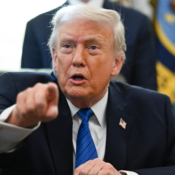
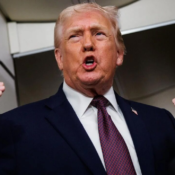
President Donald Trump, who cautioned on Monday that “bad things” might occur if an agreement with Iran is not achieved, informed reporters at the White House on Tuesday: “We are negotiating with them right now.” However, he did not provide further details and chose not to disclose the anticipated location for the discussions.
A regional diplomat familiar with Iran’s demands indicated that Tehran aimed “to alter the format, they wish to modify the scope.”
“They are solely interested in discussing the nuclear file with the Americans, whereas the U.S. aims to incorporate additional topics like the ballistic missiles and the activities of Iran’s proxies in the region.”
Karoline Leavitt, the White House press secretary, informed Fox News that discussions with Iran are still set to occur later this week.
The spokesperson for Iran’s foreign ministry stated that discussions regarding the venue are still ongoing, as reported by Iranian Nour News later on Tuesday. The spokesperson indicated that arrangements have been made to conduct the negotiations in the near future, noting that Turkey, Oman, and various other nations have shown a willingness to host the meeting.
A source familiar with the situation indicated earlier on Tuesday that Trump’s son-in-law Jared Kushner was expected to participate in the discussions, alongside U.S. Special Envoy Steve Witkoff and Iranian Foreign Minister Abbas Araqchi.
Ministers from various countries in the region, such as Pakistan, Saudi Arabia, Qatar, Egypt, and the United Arab Emirates, were anticipated to attend. However, a regional source informed Reuters that Tehran now prefers to engage in only bilateral discussions with the U.S. BUILDUP AFTER STREET PROTESTS IN IRAN
The naval buildup by the U.S. comes in response to Iran’s violent suppression of anti-government protests that occurred last month.
Trump, while refraining from executing threats of intervention, has subsequently called for nuclear concessions from Iran and dispatched a flotilla to its coastline.
A second regional official informed Reuters that the main focus of the diplomatic effort is to prevent conflict and reduce tension.
According to six current and former Iranian officials, Iran’s leadership is growing increasingly concerned that a U.S. strike could undermine its hold on power by pushing an already furious public back into the streets.
The U.S. military reported that an Iranian Shahed-139 drone, approaching the Abraham Lincoln aircraft carrier “with unclear intent,” was intercepted and shot down by an F-35 fighter jet.
According to Iran’s Tasnim news agency, communication has been severed with a drone operating in international waters, though the cause remains unclear.
On Tuesday, the U.S. Central Command reported another incident in the Strait of Hormuz, where forces from Iran’s Islamic Revolutionary Guard Corps harassed a U.S.-flagged tanker.
“Two IRGC boats and an Iranian Mohajer drone approached M/V Stena Imperative at high speeds and threatened to board and seize the tanker,” stated Navy Captain Tim Hawkins, a spokesperson for the Central Command.
Group focused on managing maritime risks Vanguard reported that the Iranian boats commanded the tanker to halt its engine and get ready to be boarded. The tanker accelerated and proceeded with its journey.
Hawkins stated that a U.S. Navy warship, the McFaul, was active in the region and provided escort to the Stena Imperative, which was “proceeding safely.”
Previously, the United Arab Emirates, a significant Gulf Arab oil producer and a close ally of the U.S., expressed that the region cannot bear another conflict and emphasized the necessity of negotiations.
The Gulf Arab states are concerned that Iran may follow through on its threat to target U.S. bases located within their borders if Trump decides to launch another attack on the Islamic Republic.
In June, the United States targeted Iranian nuclear sites, participating at the conclusion of a 12-day bombing campaign by Israel. Since that time, Tehran has stated that its uranium enrichment activities – which it claims are intended for peaceful purposes rather than military ones – have ceased.
Last week, Iranian sources informed Reuters that Trump had set three conditions for the resumption of talks: a complete halt to uranium enrichment in Iran, restrictions on Tehran’s ballistic missile program, and the cessation of its support for regional proxies.
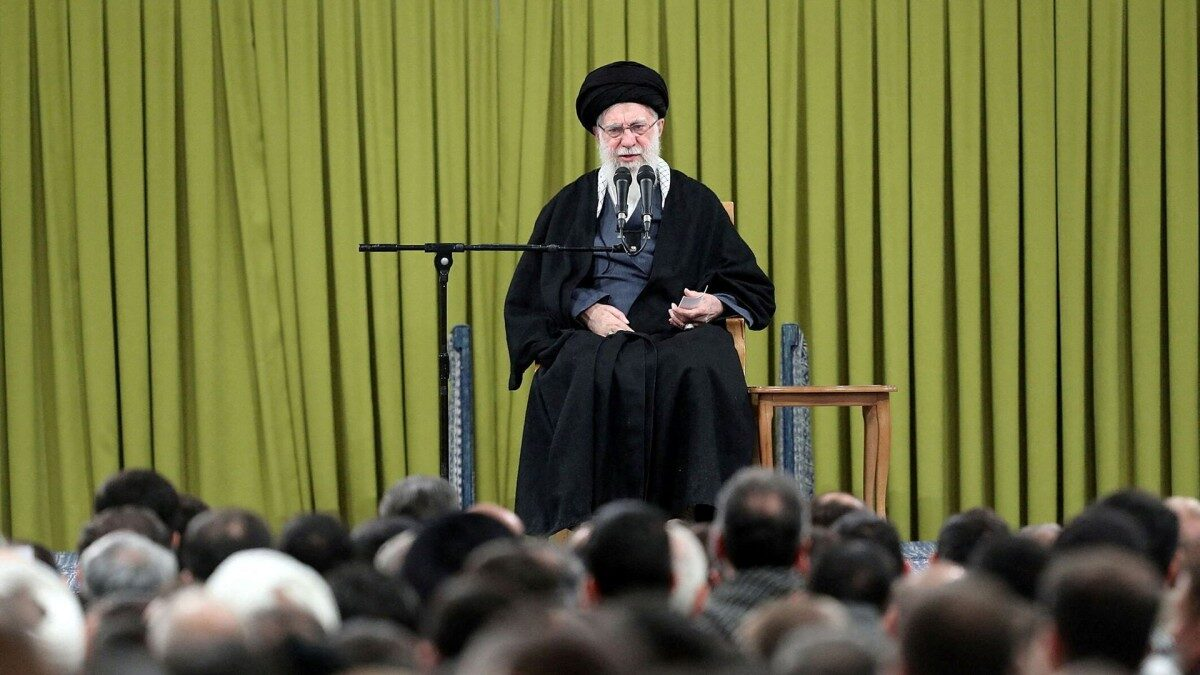
Iran has consistently stated that all three demands represent unacceptable violations of its sovereignty. However, two Iranian officials informed Reuters that the clerical leadership views the ballistic missile program, rather than uranium enrichment, as the more significant hurdle.
An Iranian official stated that there should be no preconditions, emphasizing that Tehran is prepared to demonstrate flexibility regarding uranium enrichment, which includes the possibility of transferring 400 kg of highly enriched uranium and agreeing to zero enrichment.
The regional influence of Tehran has diminished due to Israel’s assaults on its proxies, including Hamas in Gaza, Hezbollah in Lebanon, the Houthis in Yemen, and militias in Iraq, along with the removal of Iran’s close ally, former Syrian President Bashar al-Assad.