Artists withdraw, the arts community reacts strongly as Trump shuts down a legendary venue in Washington.
What began as a disruption has now escalated into a complete halt. Donald Trump has declared that the Kennedy Center for the Performing Arts will shut down entirely on July 4, 2026, for approximately two years to facilitate a complete reconstruction under his guidance.
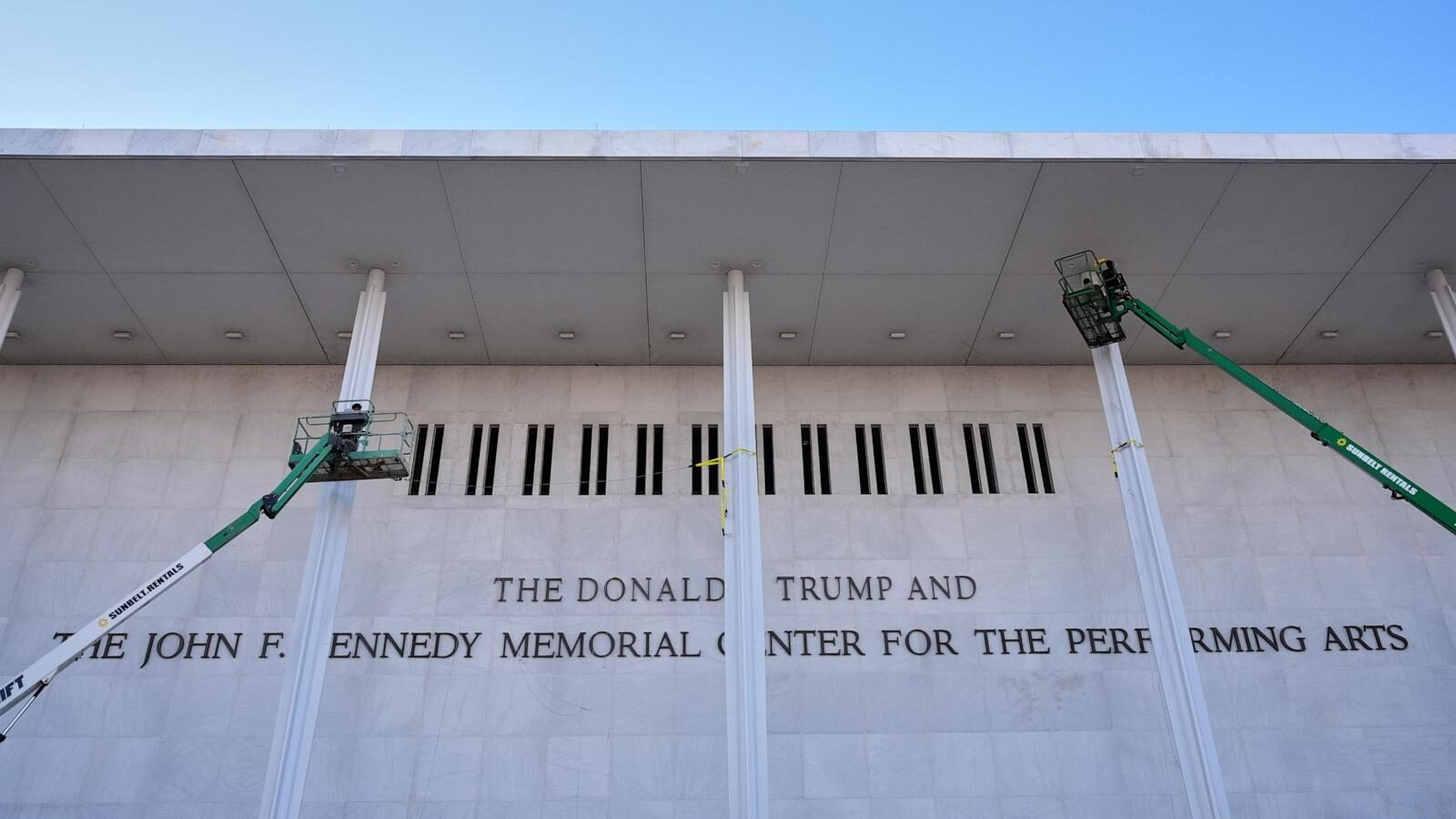
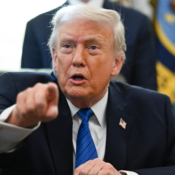
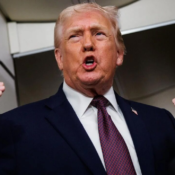
Trump announced the closure personally, stating that it will enable crews to renovate the aging venue and reopen it as a “world-class” performing arts landmark. He linked the timing to the nation’s 250th anniversary and stated that a complete shutdown is the quickest method to accomplish the work.
This decision was not made impulsively.
In the last year, Trump has assumed control of the Kennedy Center’s leadership, ousting board members and appointing allies. The newly formed board subsequently decided to include Trump’s name in the institution, a decision that swiftly provoked criticism from lawmakers and arts leaders who argue that any official renaming would require Congressional approval.
The recent leadership changes have led to a noticeable loss of talent at the center.
Numerous prominent artists and organizations have withdrawn from performances or severed connections entirely, expressing that the institution’s current direction no longer reflects their values. Composer Philip Glass has publicly retracted a scheduled premiere, prompting similar actions from other productions associated with opera and Broadway.
The shutdown signifies something much more significant.
The Kennedy Center, a venue that has showcased thousands of performances annually and stands as a tribute to John F. Kennedy, will temporarily close its doors. There are no concerts. No operas. No premieres scheduled. Only construction walls and lingering questions remain.
Critics contend that the closure is more about control than necessary repairs, particularly given that Trump’s team has not provided detailed evidence to support claims of severe structural or financial distress regarding the building.
This represents two years of missed chances for performers on one of the nation’s most significant stages. For audiences, it represents an extended hiatus for a cultural institution that was once shared by all.