António Guterres warns that the UN faces the threat of “imminent financial collapse” as member states fail to fulfill their fee obligations.
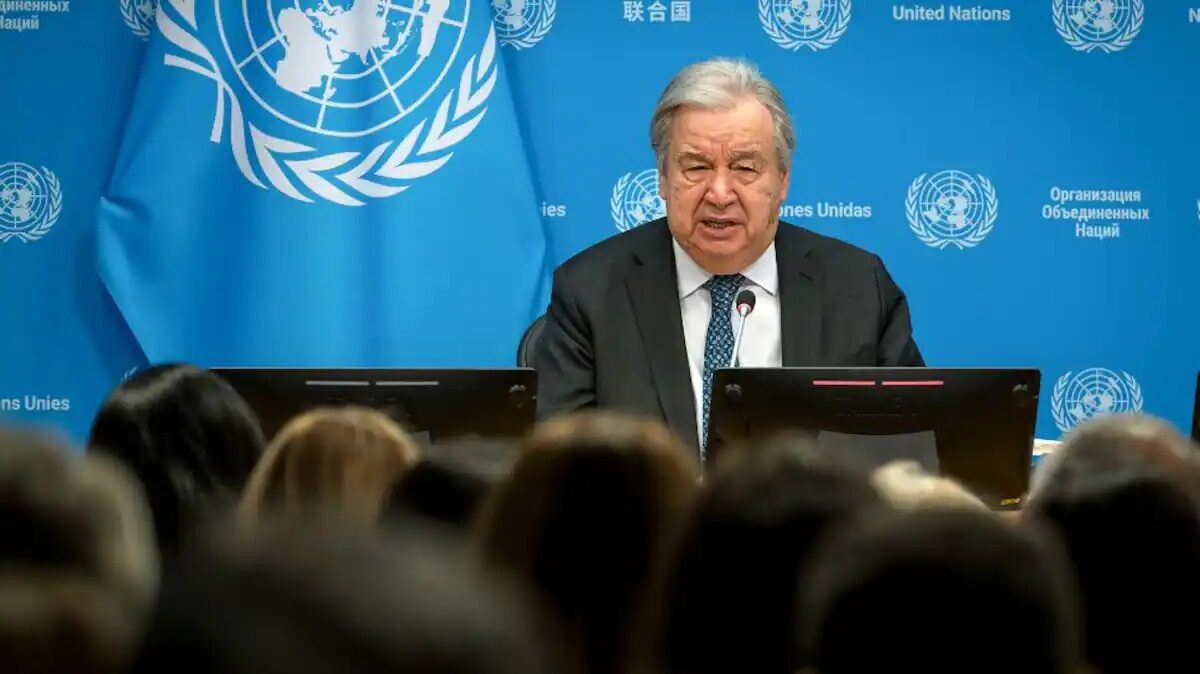
UN Secretary-General António Guterres has issued a stark warning about the potential for an unprecedented financial collapse at the United Nations, as member states are not fulfilling their mandatory contributions. He cautioned that the organization may deplete its funds as soon as July.
In a firm letter addressed to all 193 member states, Guterres expressed that the UN’s financial crisis was “deepening” and was already jeopardizing the implementation of essential programs globally. He emphasized that the circumstances were fundamentally distinct from previous funding challenges, pointing out that several countries had now officially declared their unwillingness to fulfill assessed contributions that constitute a substantial part of the UN’s regular budget.
Guterres stated that in 2025, merely 77 percent of the total assessed contributions were paid, resulting in an unprecedented level of unpaid dues. The shortfall has been exacerbated by a financial regulation that mandates the UN to return unspent funds for programs it is unable to implement, even in cases where the money was never actually received initially.
“I cannot emphasize enough the critical nature of the situation we are currently confronting,” Guterres wrote. “We are unable to implement budgets without collected funds, nor can we return funds that were never received.”
This month, it was disclosed that the UN had to refund $227 million as part of the 2026 assessment process, even though the funds had not been collected. The secretary-general cautioned that if member states do not pay their dues completely and punctually or consent to a significant reform of the organisation’s financial regulations, the UN is at risk of a “imminent financial collapse”.
The actions of the United States, the largest contributor to the UN, have worsened the crisis. Washington chose not to contribute to the UN’s regular budget in 2025 and supplied merely 30 percent of the anticipated funding for peacekeeping operations. In January, President Donald Trump announced the withdrawal of the US from numerous international organizations, including 31 UN agencies. He characterized these entities as a misuse of taxpayer funds and alleged that they promoted “globalist agendas.”
In late December, the US committed $2 billion to UN humanitarian programmes, a significant decrease from the $17 billion allocated in 2022. Trump has criticized the UN for not fulfilling its “great potential” and has suggested the possibility of replacing certain functions with alternative structures under US oversight.
Other significant contributors, such as the United Kingdom and Germany, have likewise declared reductions in foreign aid, further constraining the UN’s financial situation.
The effects are already being experienced throughout the organization. At the UN offices in Geneva, measures to cut costs involve turning off escalators and lowering heating levels. Multiple agencies have issued warnings regarding significant operational impacts: the UN human rights office indicates it can no longer send investigators to record serious violations, UN Women has shut down mother-and-baby clinics in Afghanistan, and the World Food Programme has cut food rations for refugees escaping the conflict in Sudan.
Guterres has consistently raised concerns in recent months, previously characterizing the situation as a “race to bankruptcy.” The UN chief stated that as humanitarian needs increase worldwide and funding decreases, the integrity and future of the entire system hinge on the willingness of member states to fulfill their obligations.