More and more people want King Charles to officially apologize for Britain’s part in transatlantic slavery
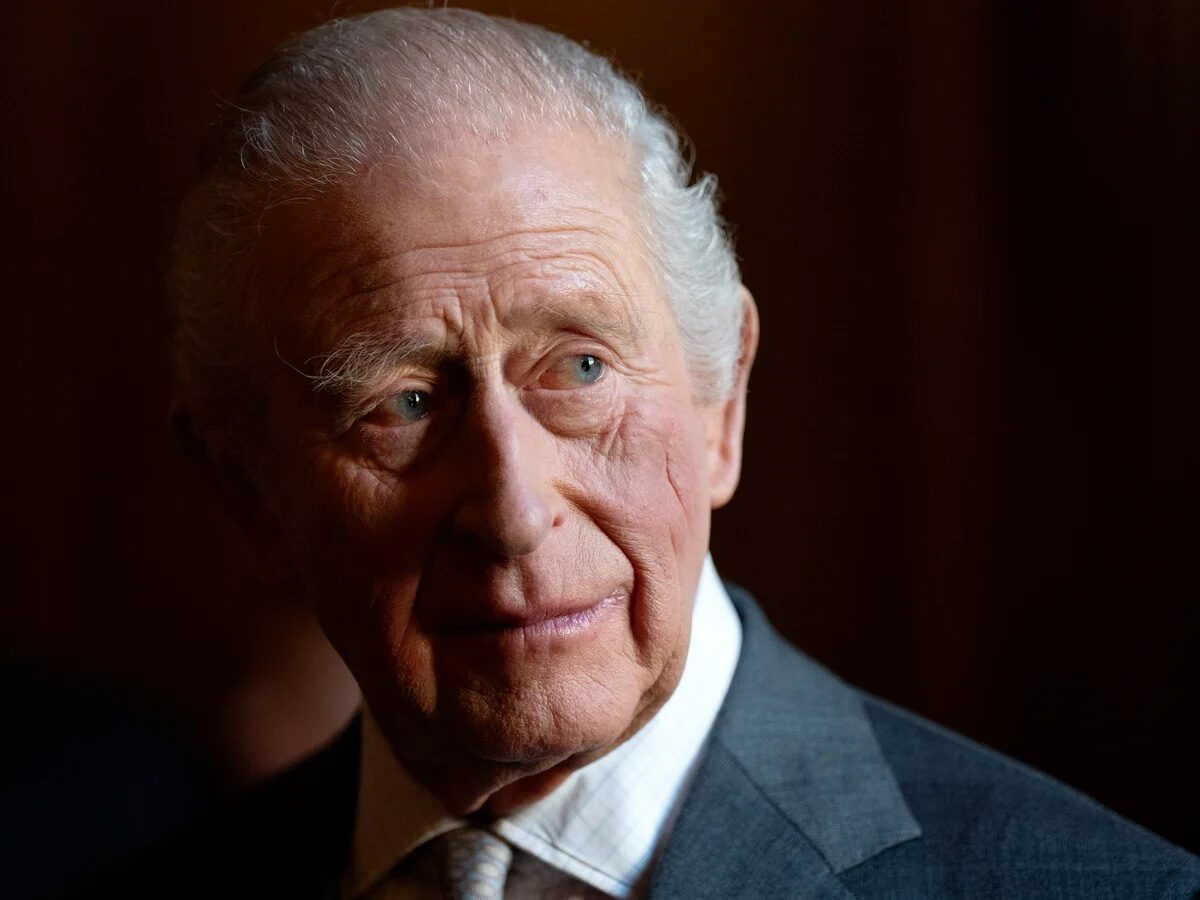
Historians and supporters are pressing King Charles to formally apologise for Britain’s role in perpetuating the transatlantic slave trade.
Following fresh evidence of the British crown’s extensive involvement in the enslavement of Africans, lawmakers, historians, and human rights activists have reiterated calls for King Charles III to formally apologize for Britain’s role in the transatlantic slave trade.
The Crown’s Silence, a book that details how British kings from Queen Elizabeth I to George IV actively profited from and defended the trade in African slaves for centuries, was published after the demand was made. According to the findings, the crown utilized slavery to improve royal profits and expand imperial power, with historians estimating that by 1807 the British crown had become the greatest buyer of enslaved individuals.
Although King Charles has previously expressed “personal sorrow” for the pain caused by slavery and spoken about the need to address lingering inequities, the monarchy has never made a formal apology. Campaigners contend that such utterances fall short of what is expected, considering the scale and legacy of the crime.
Bell Ribeiro-Addy, Labour MP for Clapham and Brixton Hill and chair of the all-party parliamentary group for Afrikan reparations, said personal regret was inadequate in the face of what she characterized as “one of the single greatest crimes against humanity”.
“This isn’t about individuals but the monarchy as an institution,” she remarked. “What is needed is not simply an apology on behalf of the crown, but acknowledgment of this history and action to address its lasting legacy of global racism and inequality. In a world that is changing quickly, an apology could serve as the foundation for the open discussion and change our nation needs to have on this matter.
This opinion was shared by the Runnymede Trust, which called a royal apology a “welcome, symbolic first step” but cautioned that symbolism had to be accompanied by tangible action. The group highlighted that reparations were not about assigning collective guilt, but about addressing how the legacies of slavery remain incorporated in modern economic and financial structures.
They said, “Reparations is not about exacting collective punishment or confessions of guilt – a Crown apology should only be offered if there is an accompanying governmental promise to engage with the systemic work that needs to be done to see how the legacies of slavery have coded our economic and financial infrastructures, and to genuinely commit to their reform and transformation.”
In a similar vein, Liliane Umubyeyi, director of African Futures Lab, said that since slavery is recognized by international law as a crime against humanity, pursuing reparations was both morally and legally required.
Political pressure has also come from across party lines. Green Party MP for Bristol Central, Carla Denyer, said a formal apology was “long overdue”, adding that the descendants of enslaved people “deserve nothing less”.
Independent experts working with the United Nations have added their voices to the demand. Michael McEachrane, a member of the UN permanent forum on people of African origin, said the worldwide campaign for reparatory justice was not about wallowing on the past, but about establishing a sustainable and fair future.
McEachrane added, “[It] is critical for a sustainable future as there is no force in human history that has contributed more to social, economic and ecological disparities than colonialism. This isn’t charity or ‘handout’ – it’s about partnership: Commonwealth nations and the UK constructing equal futures together, embracing rather than forgetting their shared history.”
UN human rights lawyer Dominique Day also underlined how the legacy of slavery and colonialism continues to impact contemporary injustices, from policing and criminal justice to major social scandals. She said admission by the crown might offer space for repair and a move toward a future based on respect and equity.
Later this year, King Charles is expected to face renewed pressure from Caribbean and African nations during the Commonwealth Heads of Government Meeting in Antigua and Barbuda. Historian Brooke Newman, author of The Crown’s Silence, said the meeting might be a pivotal moment. “2026 could be a key time for Charles to take action,” she said, adding that the subject has too frequently been overlooked by culture battles despite substantial historical evidence.