The US and Russia move towards a new nuclear weapons race as their last major arms control treaty expires.
Unless a last-minute agreement is achieved before their final arms control treaty expires in a few days, the United States and Russia are on the verge of resuming an unconstrained nuclear weapons race for the first time since the Cold War.
On February 5, the New START pact, which restricts the quantity of long-range nuclear warheads and delivery systems that each party may use, will come to an end. Its expiration would remove all official limitations on US and Russian strategic nuclear arsenals, terminating a system of controls that has existed for more than five decades.
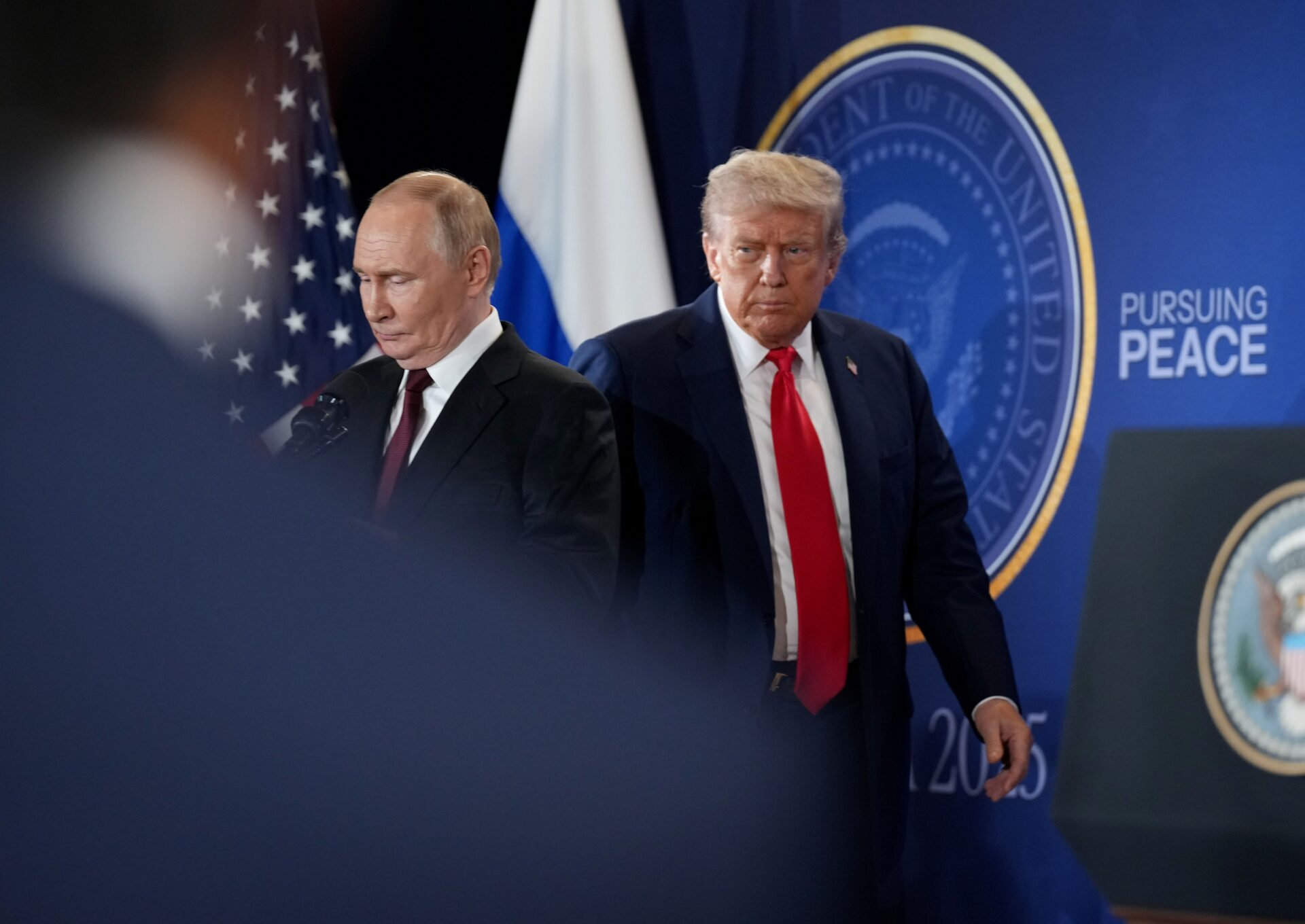
In order to give time for talks on a replacement deal, Russian President Vladimir Putin has suggested extending the present missile and warhead restrictions for a year. US President Donald Trump has not formally responded, saying instead that “if it expires, it expires,” while stressing that any replacement should be tougher and broader.
Some US politicians are pressuring Trump to turn down Moscow’s offer, arguing that terminating New START would enable Washington to increase its nuclear weapons in order to fight China’s rapidly expanding arsenal. Trump has indicated he seeks “denuclearisation” involving both Russia and China, but Beijing has opposed the idea, arguing that its significantly smaller stockpile makes such negotiations unfair.
Experts in arms control caution that agreements like New START are essential for avoiding miscommunications and expensive escalation. The agreements provide for transparency measures like data exchanges and inspections in addition to weapon limitations, which aid both parties in properly evaluating capabilities and intents.
According to Nikolai Sokov, a veteran Soviet and Russian arms negotiator, each nation would have to assume the worst about the other’s nuclear activity in the absence of such measures. That combination, he said, may drive a self-reinforcing cycle of weapons growth and instability.
Since the Cold War, Washington and Moscow have regularly modified and replaced arms control agreements covering the strategic weapons directed against one other’s cities and military infrastructure. New START, signed in 2010 by President Barack Obama and then–Russian President Dmitry Medvedev, was the latest in that lineage.
Analysts predict that the treaty’s breakdown may signal a significant departure from decades of nuclear restraint and opens the door to a risky and costly global arms race because it is about to expire and there is no sign of a replacement.