Venezuela passes a significant overhaul of its oil laws, lowering taxes and giving private companies more freedom to increase investment and output.
Venezuelan lawmakers have passed a significant change of the country’s primary hydrocarbons law, signaling a sharp shift from two decades of rigid state control over the oil industry.
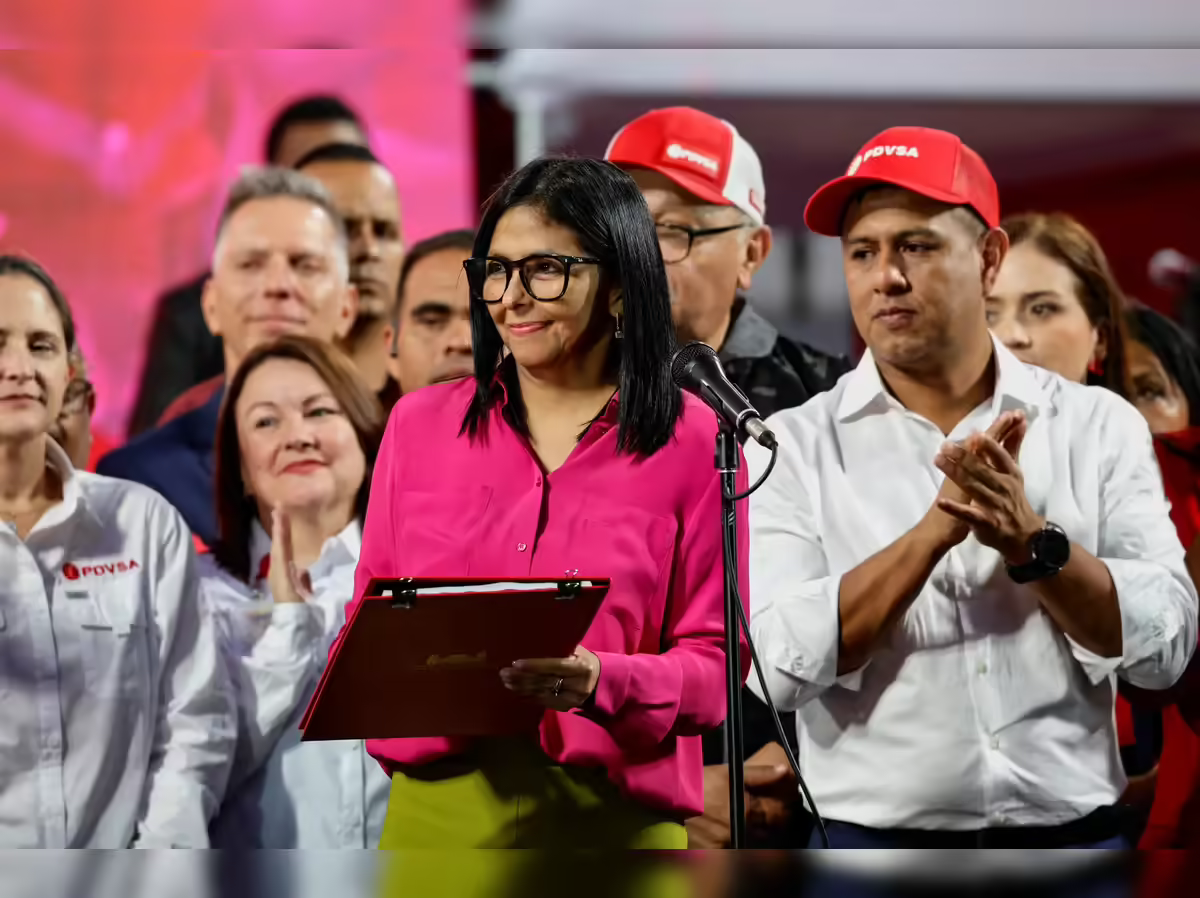
The measure, passed in a final vote on Thursday, modifies the oil framework to decrease taxes, enhance the oil ministry’s jurisdiction, allow asset transfers and outsourcing, and provide private producers greater autonomy. In less than two weeks, the National Assembly expedited the reform, which was based on a proposal made by interim President Delcy Rodríguez.
After US forces seized President Nicolás Maduro, US President Donald Trump last month announced a $100 billion industrial restoration plan. Supporters believe the measures are intended to boost oil and gas production and draw in foreign investment.
National Assembly President Jorge Rodríguez said the reform would make it more competitive to hire indigenous and foreign corporations to harvest resources from Venezuela’s massive oil reserves.
Shortly after the vote, the Trump administration relaxed sanctions on Venezuela’s energy sector by issuing a general license covering oil exports, US sources said.
The change follows more than 20 years of nationalization and expropriations that marginalized multinational oil corporations, such as Exxon Mobil and ConocoPhillips, many of which are still pursuing arbitration compensation.
Under the new rule, private producers can operate oil projects through fresh contracts or joint ventures, even as minority partners. Crucially, they will get long-sought ability to market oil and manage revenues independently of national oil firm PDVSA.
A production-sharing model that Maduro developed recently is also formalized by the reform, although detractors caution that the lack of transparency around such contracts and lax oversight may increase the likelihood of corruption.
Late amendments to the measure decreased income taxes and eliminated some levies, but lawmakers also created a new hydrocarbon tax to be managed independently, raising worries about whether the government’s overall take among the highest in Latin America will genuinely shrink.
Opposition proposals to improve openness, reduce the oil ministry’s powers and preserve legislative approval of oil contracts were rejected. The final law delegates most decision-making authority to the oil ministry, which is also supervised by Rodríguez.
The reform permits the outsourcing of oilfield operations under the new contract model and the transfer of PDVSA-owned oil assets. Over the next six months, the government is anticipated to assess dozens of PDVSA-controlled joint ventures ahead of signing new production-sharing agreements.
While many potential investors consider the reform as sufficient to warrant initial investments, former officials have denounced the law as unconstitutional, arguing it concentrates authority in the administration and impairs control of Venezuela’s most crucial industry.