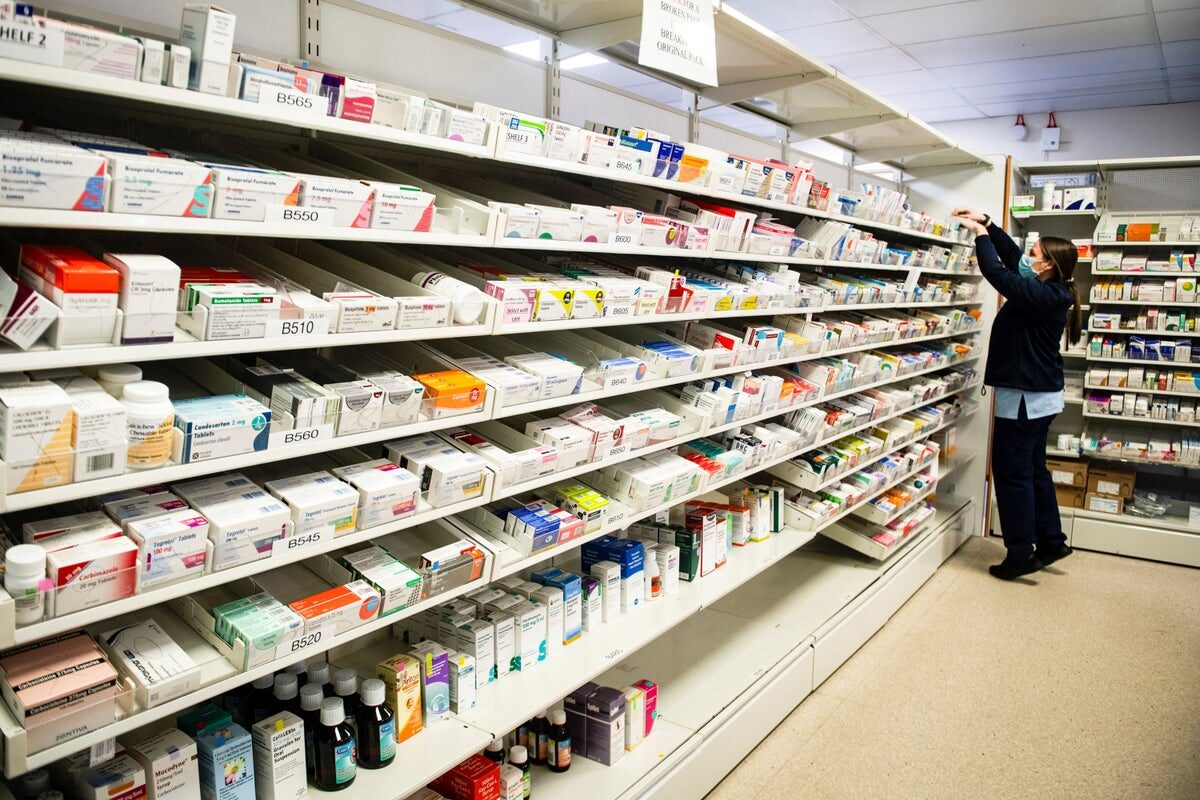
The list of drug prices is longer than ever as we enter the new year with a familiar sting.
According to information privately provided to Reuters by healthcare research firm 3 Axis Advisors, U.S. pharmaceutical companies are planning to increase the cost of at least 350 branded drugs beginning in 2026. The government has consistently urged pharmaceutical corporations to reduce costs for American patients, and the projected increases come amid ongoing public pressure.
Compared to this time last year, when businesses announced increases on over 250 medications, the number of planned increases has increased significantly. The median rise is approximately 4%, which is comparable to what patients experienced in 2025. The prices mentioned are list costs and do not take into consideration rebates or behind-the-scenes savings that are negotiated with insurers and pharmacy benefit managers.
The medications with increased costs range from cancer therapies like Ibrance to vaccines against COVID, RSV, and shingles. The list of corporations hiking prices in January also includes five that have already negotiated pricing deals with the Trump administration.
A few cuts are blended in. It is anticipated that the list prices of nine medications will be lowered, with the diabetic medication Jardiance seeing a price decrease of almost 40%. One of the drugs for which the federal government negotiated reduced Medicare costs for 2026 is Jardiance; this action already resulted in a significant reduction under that program.
However, detractors claim that these targeted cuts just touch the tip of the iceberg.
According to Benjamin Rome of Brigham and Women’s Hospital, “these deals are being touted as revolutionary when, in reality, they really just nibble around the margins in terms of what is really driving high prices for prescription drugs in the U.S.”
Pfizer, one of the most active movers, intends to increase the cost of almost 80 medications, including Paxlovid and its COVID vaccination Comirnaty. According to Pfizer, the hikes are necessary to fund continuing research and growing business expenses and fall short of general inflation.
Today’s price rises are more prevalent but less than the double-digit increases that politicians formerly denounced. Patients and campaigners are anticipating more announcements once the new year gets underway, as January has historically been the biggest month for prescription price changes.