Trump-backed After a contentious election, Asfura is elected president of Honduras
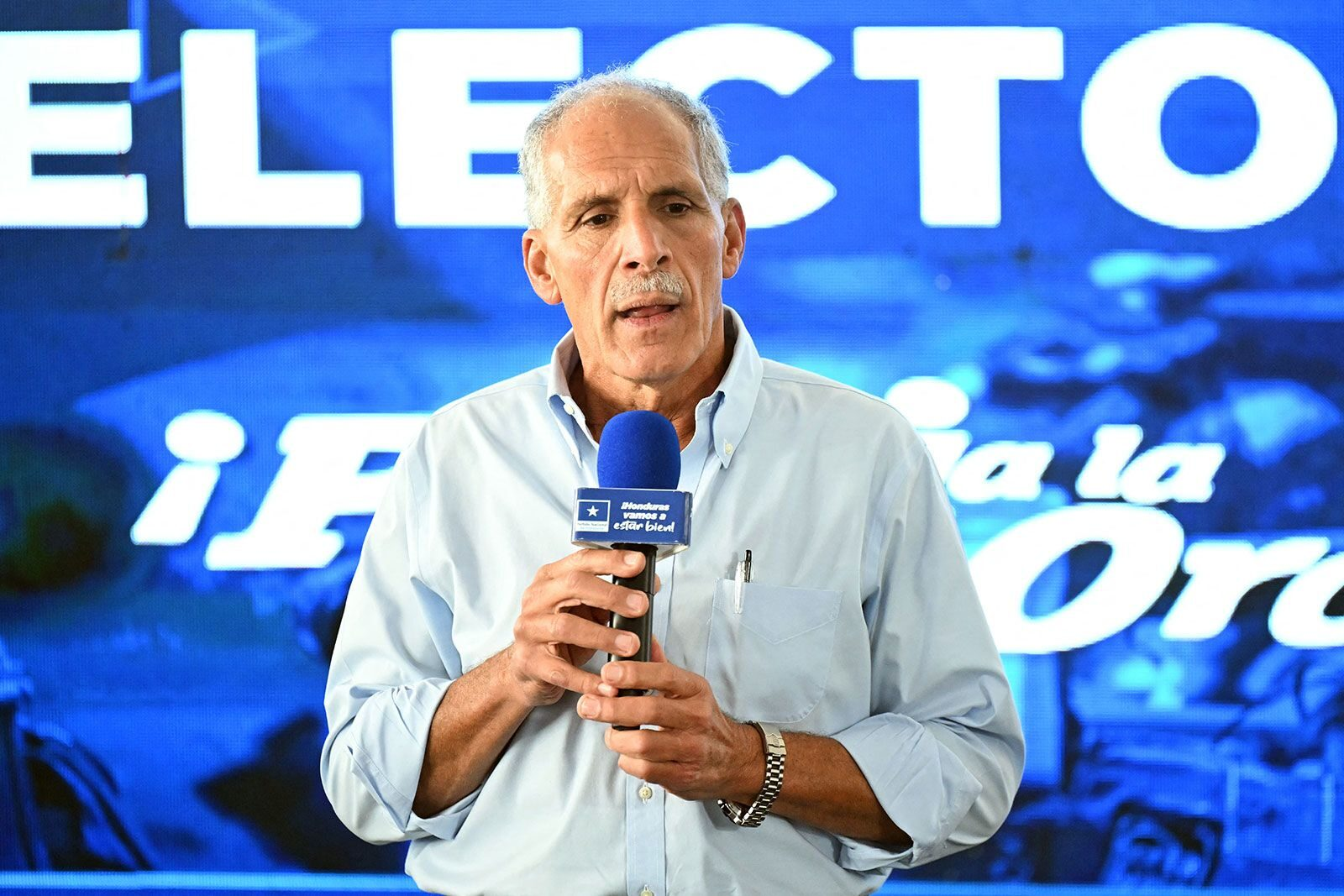
The conservative candidate for president of Honduras, Nasry Asfura, who is supported by U.S. President Donald Trump, was proclaimed the victor on Wednesday, over three weeks after the election on November 30 that was marred by delays, technical issues, and fraud accusations.
Asfura defeated center-right Liberal Party candidate Salvador Nasralla, who received 39.5% of the vote, according to the CNE, the Honduran electoral authority. In a far-off third place was Rixi Moncada, the candidate of the ruling LIBRE party.
Asfura’s political strategy was centered on jobs, education, and security, and he ran on a wide pro-business platform that emphasized the need for private investment to advance the nation. Additionally, he has hinted that he would turn Honduras’ allegiance from Beijing to Taiwan.
About 15% of the tally sheets, which included hundreds of thousands of votes, needed to be manually counted in order to establish the winner because the results were so close and the ballot processing system was so disorganized.
LIBRE frequently called for demonstrations in the weeks after the election, calling it a “electoral coup.” Protesters disrupted the manual count by preventing authorities from entering the building used to keep the tally sheets.
Two members of the electoral council and one deputy approved the results, but disagreements about the incredibly close vote persisted. The film announcing the winner did not include Marlon Ochoa, the third council member.
“I’m prepared to rule, Honduras. After the results were confirmed, Asfura wrote on X, “I will not disappoint you.”
On January 27, he is scheduled to begin his 2026–2030 term in office.
Although he criticized the CNE’s announcement for excluding votes that ought to have been counted, Nasralla asked his followers to maintain composure and abstain from any violent or disruptive behavior.
“If the outcome is based on omissions, I will not accept it. At a press conference in the capital city of Tegucigalpa on Tuesday afternoon, Nasralla stated, “This is the saddest Christmas for the Honduran people. Democracy does not shut down because of exhaustion or because today is the 24th.” This is his third failed attempt to become president of Honduras.
The results were rejected by the head of the Honduran Congress as well.
“This violates the law entirely. The ruling LIBRE party’s Congress President, Luis Redondo, commented on X, “It has no value.”
Trump supports ASFURA
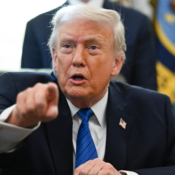
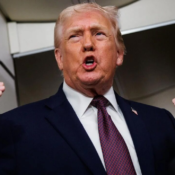
In a Truth Social post prior to the election, Trump threw his support behind Asfura, a 67-year-old politician and businessman who was the previous mayor of Tegucigalpa, the country’s capital, calling him the “only real friend of Freedom in Honduras” and asking voters to support him.
In addition, Trump pardoned Juan Orlando Hernandez, a former president of Asfura’s National Party who had been serving a 45-year term in the United States for drug trafficking and weapons offenses, and threatened to stop U.S. financial assistance to Honduras if Asfura lost.
Trump claimed there would be “hell to pay” if Honduras altered the preliminary results that had Asfura ahead, and he again weighed in on the election during count delays, accusing fraud without offering any proof.
From Javier Milei in Argentina to Nayib Bukele in El Salvador, experts say Trump’s support for Asfura is part of his effort to create a conservative bloc throughout Latin America.
Trump’s remarks have been condemned as election tampering by both Nasralla and the ruling LIBRE party. Early in December, Nasralla told Reuters that Trump’s last-minute meddling had hurt his prospects of winning.
Following the results, U.S. Secretary of State Marco Rubio posted on X, saying, “The United States congratulates President-elect Asfura and looks forward to working with his administration to advance prosperity and security in our hemisphere.”
To “ensure a peaceful transition,” Rubio asked everyone to accept the result.
Albert Ramdin, the Secretary General of the Organization of American States, stated that the group “takes note” of the results and will publish a report in the next few days that includes conclusions and suggestions.
“The General Secretariat is aware of the difficulties experienced during the electoral process, recognizes the work carried out by Honduran institutions, and regrets that the full recount of the votes cast by citizens has not yet been completed,” Ramdin wrote in a post to X.
“PAPI, HERE TO SERVE YOU”
Asfura was born on June 8, 1958, into a Palestinian household in Tegucigalpa. He didn’t finish his degree in civil engineering. He gained a reputation as an effective but unassuming official while working in several local governments in the 1990s. He was also a minister for social investment and a lawmaker.
After completing infrastructure projects, he grew popular and was elected mayor of Tegucigalpa and the adjacent area in 2013. His team used the moniker “Papi, at your service” to describe his public works during the presidential campaign.
Although Asfura presents a humble and industrious image while wearing jeans and rolled-up sleeves, he and several former officials from his government are being investigated in the capital by authorities who claim he was involved in a plot to misuse public funds and launder money. Asfura has denied any wrongdoing and said that the actions against him are driven by politics.
He responded, “Extremes don’t work,” when asked if he was a far-right representative during the campaign. “We must seek a balance (…) People don’t care if you’re ugly or beautiful, left or right, green, red or blue; what they want are solutions.”