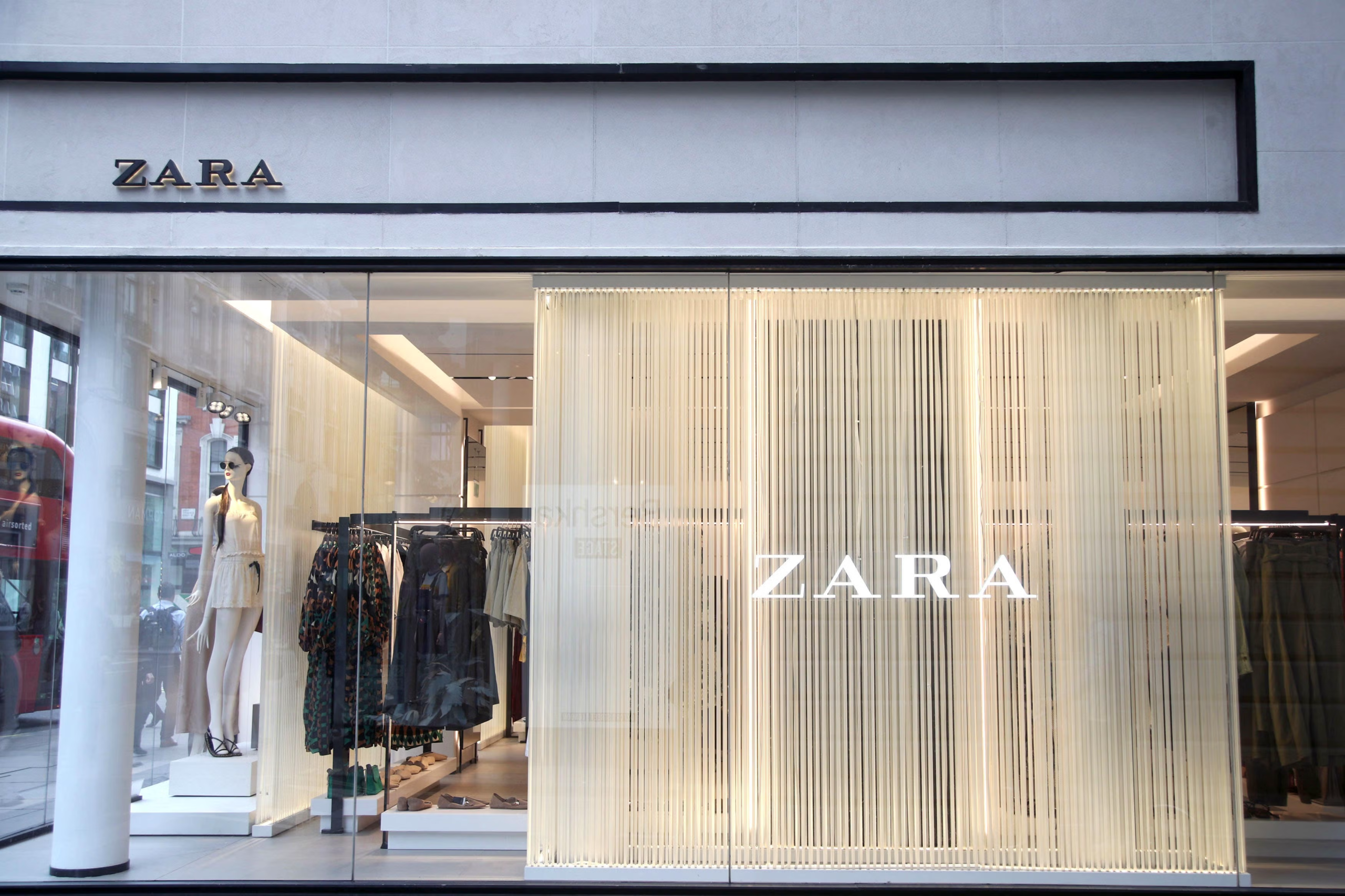
Zara’s physical store presence has been steadily declining since the epidemic, despite the fact that it still dominates internet carts and city center shopping districts.
Over the past few years, the fast fashion store, which is owned by the Spanish clothing company Inditex SA, has shut down hundreds of shops across the globe. At its height in the third quarter of 2019, Zara had over 2,139 stores worldwide, according to corporate earnings releases. That figure fell to just under 1,800 by the end of 2024, a decrease of around 16%.
The downturn is far more severe than previously disclosed, according to new accounting filings by Inditex. Store numbers from affiliated brands were combined into Zara’s totals in previous reports. As of October 31, Zara had 1,528 standalone stores worldwide according to new reporting methodology. According to company leaders, the closures are deliberate rather than an indication of concern.
According to Amaya Guillermo, who oversees corporate communications for Zara USA, the company has been implementing a long-term “optimization plan” that aims to invest in fewer, more sophisticated sites while reducing smaller outlets.
Guillermo stated, “This strategy has resulted in the integration of smaller stores into larger, upgraded locations.” “By integrating the newest in-store technologies, such as assisted checkouts, among many other features, we can create unique retail spaces that improve the customer experience.”
Europe and Asia have seen the biggest changes. In Spain, France, Germany, Italy, and other important European markets, Zara has drastically scaled back its presence. China has experienced some of the most severe declines, with shop counts sharply declining in comparison to pre-2018 levels.
Inditex claims that despite having fewer locations, Zara’s total commercial space has expanded and that sales have kept rising. In 2024, the company claimed an almost 5.9 percent gain in sales and a 2 percent increase in retail space.
For Zara, closing stores is more about control than retreat; it’s about reducing its footprint and placing bets on technology, size, and fewer but more noticeable retail moments.