As Kagame and Tshisekedi inch near on the Trump-backed accord, all eyes are on Washington
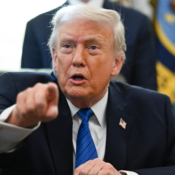
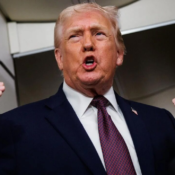
All eyes are on Washington, D.C., where US President Donald Trump will welcome President Paul Kagame and Félix Tshisekedi of the Democratic Republic of the Congo on Thursday, December 4, to sign the Washington Accords, a deal that the White House claims concludes months of US mediation.
The gathering is being described as the most important attempt in years to end the decades-long security issue in eastern Democratic Republic of the Congo, which has outlasted several peace accords.
It expands on a peace deal agreed by Rwandan and Congolese foreign ministers in late June and is the outcome of eight months of US-sponsored discussions. Presidents William Ruto of Kenya and Evariste Ndayishimiye of Burundi are among the regional leaders invited to witness the historic signing.
The Washington approach, according to the Rwandan government, is essential in addressing the underlying causes of the insecurity in the Democratic Republic of the Congo and the surrounding area, particularly the persistence of the FDLR militia, which is supported by Kinshasa.
For decades, the UN-approved terrorist organization, which was created by surviving members of the masterminds of the 1994 Tutsi Genocide, has been responsible for ethnic violence against Tutsi communities in eastern Democratic Republic of the Congo and has carried out cross-border operations on Rwanda.
In an interview with US media on Wednesday, government spokesperson Yolande Makolo called the summit on Thursday “the best chance for peace, stability, and prosperity our two countries and the region have had.”
She emphasized that Kinshasa requested the start of the US mediation.
The 1994 Tutsi Genocide, the escape of its perpetrators into eastern Congo, and the FDLR’s entrenchment—now headed by a dozen leaders who are still dedicated to genocidal violence—were the historical arcs that Makolo emphasized.
They’re still cooped up there. For thirty-one years, we have been working to avert this security issue,” Makolo continued. “The conflict is in DR Congo, not Rwanda, and it poses a threat to us, so the Trump administration is focusing on the true barriers to peace—the militias in eastern Congo.”
“A positive step in the right way”
In a news conference last week, President Kagame characterized the forthcoming talks with Tshisekedi as a constructive step in addressing the eastern Democratic Republic of the Congo’s crisis. However, he emphasized that a sustainable peace will only be achieved if the directly involved countries accept responsibility.
He praised Trump’s negotiating strategy and his administration’s efforts to investigate the underlying roots of the issues.
“We have had people visit Rwanda and DR Congo and rush to the UN Security Council and make announcements and pass resolutions,” he stated.
“That’s why we spent a lot of time on that in the first years without having anything tangible in place,” Kagame explained, adding that the Washington process is “a good step in the right direction.”
A unified CONOPS for neutralizing the FDLR, a planned road for the safe return of refugees, and a cooperative framework for security coordination are among the earlier pledges that are consolidated in the eagerly awaited agreement to be signed on Thursday.
A possible increase in U.S.-driven investment in mining, energy, and infrastructure is another benefit of the deal for the regional economy. Washington now uses this connection across a number of conflict mediation tracks.
Since June, there has been a diplomatic rhythm, but execution has been slow.
This covers both FDLR locations that are still in place and ongoing ceasefire violations.
“Some things have improved, but there’s still a lot of work to be done,” Makolo said, acknowledging the mixed picture. Violations of the ceasefire must end. Additionally, the DRC government must fulfill its commitment to deal with the organization responsible for the genocide in Rwanda.
Speaking to The New Times, analysts caution that the same cycle could potentially occur.
Tom Ndahiro, an independent analyst and researcher, contends that whether or if DR Congo addresses the underlying causes of its ongoing instability will determine how long this deal lasts.
Ndahiro asserted that the master key is political will. “How the DRC addresses the primary underlying causes will determine how long-lasting peace lasts.” Persecution of Kinyarwanda-speaking Congolese, hate speech by political elites, poor governance, corruption, and accommodating the FDLR and its ideology are among of the issues that predate President Tshisekedi.
He cautioned that “we will only experience the signing of a deal with a short life span, if not a stillbirth — photo ops and toasts without meaningful long-lasting peace” if these problems are not addressed directly.
Similar views were expressed by regional affairs analyst Albert Rudatsimburwa, who cited the lengthy history of accords that did not improve the situation on the ground.
According to Rudatsimburwa, “no agreements have ever held.”
“It’s not appropriate to use this as another photo opportunity. The largest portion of the issue is in DR Congo. There should be no compromise on peace. The larger picture is that the region can eventually develop if there is peace.