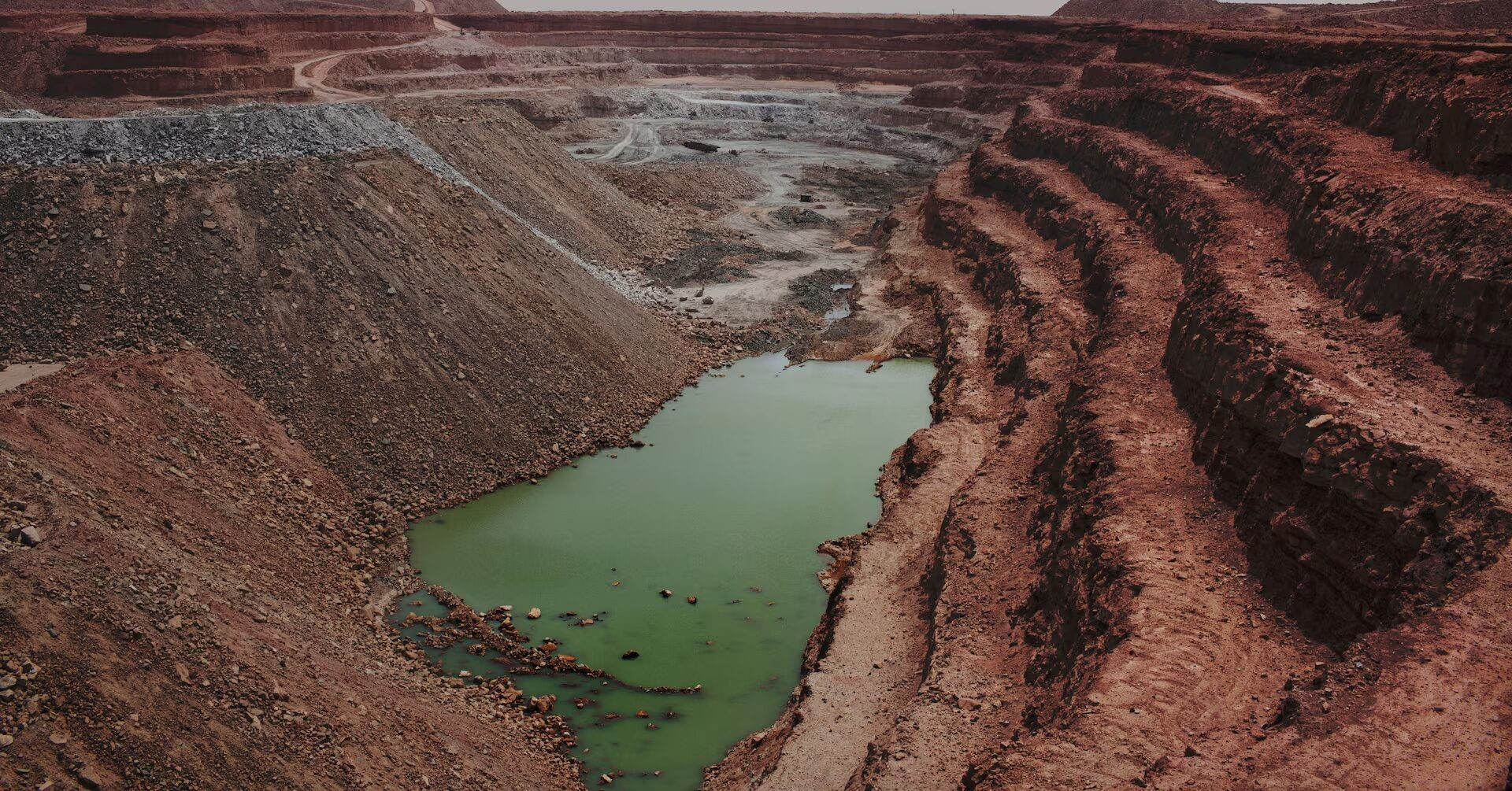
French nuclear fuels group Orano (ORAN.PA) announced on Monday that a uranium shipment from its expropriated SOMAIR mine in northern Niger last week presented “serious safety and security risks,” highlighting concerns about the potential diversion of the radioactive material and violations of international transport regulations.
On November 27, Orano announced that it had learned from media reports about a convoy transporting uranium concentrate, commonly referred to as yellowcake, that had departed from the Arlit mining site.
The company stated that it was not involved in the transfer and lacks information regarding the quantity, destination, or buyer.
Orano stated via email, “Transporting a large quantity of uranium through an unsecured corridor poses significant safety and security risks,” noting that roads not designed for such loads could result in the diversion of the shipment.
A security source informed Reuters that approximately 1,050 tons of uranium were transported from the SOMAIR site last week, although the destination and buyer were not specified.
Niger asserts its ‘legitimate right’ to sell uranium.
The Niger government has yet to provide a response to the request for comment.
In a broadcast on Sunday night, Niger’s state television announced that the country would assert its “legitimate right” to sell uranium from the SOMAIR mine to any buyer according to market regulations, emphasizing that sovereignty over natural resources was “non-negotiable”.
The broadcast featured President Abdourahamane Tiani at the Arlit mine, where he expressed his commitment to ending decades of French control and reclaiming what officials referred to as “wealth plundered for more than half a century”.
The volume of the shipment and the buyers were not specified, yet the action was characterized as a pivotal moment, with a commitment to introduce uranium to the international market despite facing foreign criticism and tribunal directives.
Niger is facing challenges from Islamist insurgents in its remote northern and western areas, where militants have taken control of certain territories and, in some instances, obstructed vital transport routes.
Orano stated that it had not received confirmation regarding the adherence to international transport regulations or the loading conditions of the material.
Resource Nationalism
The action contravenes a ruling made in September by the World Bank’s International Centre for Settlement of Investment Disputes, which prohibited Niger from selling or transferring SOMAIR’s uranium in violation of Orano’s rights.
Orano states that it retains the right to seek additional legal measures, which may include criminal proceedings against third parties.
The conflict highlights the increasing trend of resource nationalism in the wake of Niger’s 2023 coup, which has put a strain on relationships with Western allies and heightened supply security worries for European utilities dependent on Niger’s uranium.
Niger, the seventh-largest producer of nuclear fuel and cancer treatment material globally, took control of SOMAIR in December and nationalised it through a June ordinance, removing Orano’s operational control after years of collaboration.
Orano possessed a 63.4% interest in the mine, while the Niger state retained the remaining share.
The takeover reflects a wider initiative by West African governments to strengthen their control over resources and enhance revenues amid rising commodity prices.
According to previous reports from Reuters, approximately 1,500 metric tons of uranium were stored at SOMAIR, attracting potential buyers from Turkish, Iranian, and Russian interests.
Niger contributed 15% of Orano’s uranium supplies during the peak operation of its mines.