Hondurans vote in presidential election marked by fraud accusations
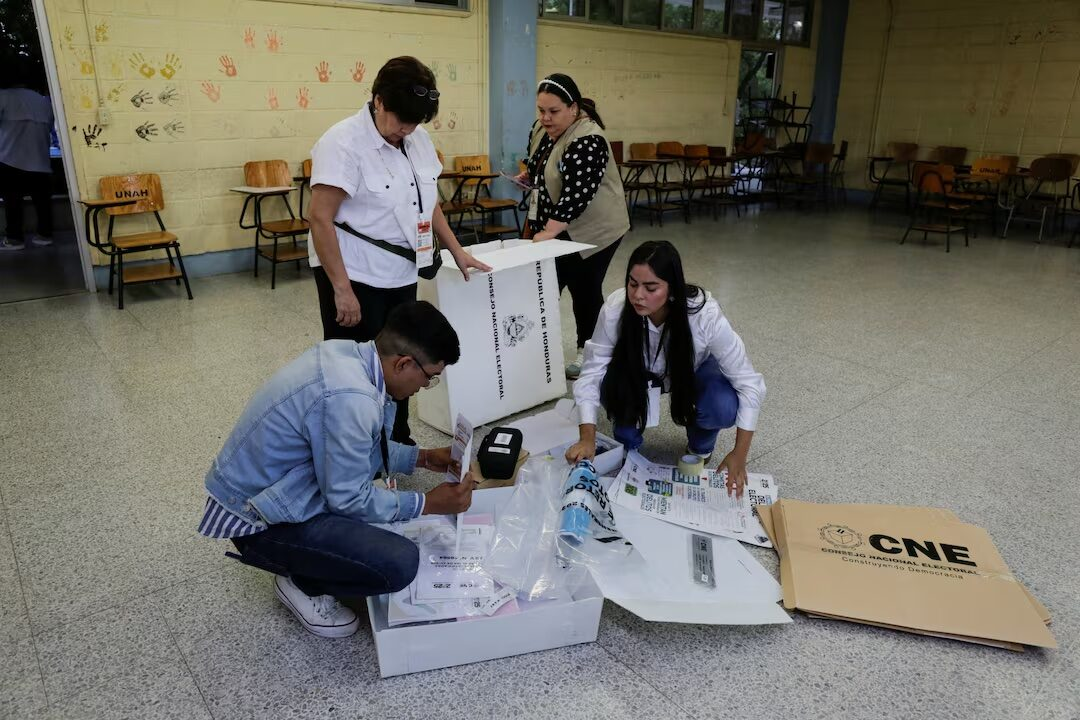
Hondurans went to the polls on Sunday to choose a new president. The race was very close, and there are worries about voting fraud in this poor Central American country.
According to most polls, there isn’t much difference between the five candidates. They are former Defense Minister Rixi Moncada of the ruling LIBRE party, former Tegucigalpa Mayor Nasry Asfura of the National Party, and TV host Salvador Nasralla of the Liberal Party.
The Organization of American States is worried about the election process, and this week, most of its members met in an extra session to demand that the government of outgoing President Xiomara Castro hold fair elections without any fraud, intimidation, or political meddling. Christopher Landau, who is the U.S.’s deputy secretary of state, also said on X that the U.S. will react “swiftly and decisively to anyone who undermines the integrity of the democratic process in Honduras.”
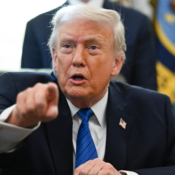
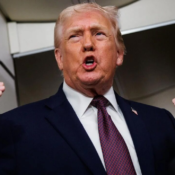
Trump, the president of the United States, has backed Asfura and said on social media, “If he doesn’t win, the United States will not be throwing good money after bad.”
Jaime Lopez, a law student in Tegucigalpa who is 22 years old, said, “We hope there won’t be any fraud and that the elections will be peaceful.” “This would be a huge step forward for democracy in our country.”
MORE AND MORE PEOPLE DO NOT TRUST THE ELECTORAL PROCESS
Six out of ten people in Honduras live in poverty. In 2009, a group of right-wing military leaders, politicians, and businesses overthrew Manuel Zelaya, who was married to the current president. Hondurans voted overwhelmingly for Castro in 2021, ending more than a hundred years of National and Liberal party rule.
Candidates for 128 seats in Congress, hundreds of mayors, and thousands of other public officials will be chosen on Sunday. The atmosphere is very tense, with the three leading candidates accusing each other of planning fraud. Moncada has said that she won’t accept the official findings.
The Attorney General’s Office in Honduras, which is close to the ruling party, says that the opposition parties are planning to cheat the election, which they reject.
Authorities are looking into audio tapes that they say show a senior National Party politician and an unknown military officer talking about ways to change the outcome of the election. The supposed recordings, which the National Party says were made with AI, have become a key part of Moncada’s campaign.
Some people have also said that the Honduran military broke the law when it asked the National Election Council for copies of the tally sheets on election day.
There is more and more public mistrust of the election authorities and the voting process in general because of these problems. There have also been delays in getting voting information to people.
In this tense situation, 6.5 million Hondurans will have to choose between sticking with Castro’s left-wing social and economic plans or going in a different direction by voting for the Liberal or National parties.
Castro, who is the first woman to lead Honduras, has raised social spending and public funding. The economy has grown a little, and poverty and inequality have gone down a bit, but they are still very high. The International Monetary Fund has praised how well her government manages its money.
The number of murders in the country has also dropped to its lowest level in recent memory, but there is still crime. Human rights groups have criticized Castro for keeping a state of emergency in some parts of Honduras for too long and for continuing to rely on the military to police the country. This is similar to what her predecessor, Juan Orlando Hernandez, did, who is now serving a 45-year prison sentence in the U.S. for drug trafficking charges.
Trump said on Friday that he is going to forgive Hernandez.
There aren’t many concrete plans from the presidential candidates to fix Honduras’s major problems, which are drug trafficking, corruption, and poverty.
Asia will keep a close eye on the polls. If they are chosen, both Asfura and Nasralla have said they might start talking to Taiwan again. In 2023, the Castro government broke off all ties with Taipei.
If this happened, it would be the worst political setback for China in the area since 1990, when Violeta Chamorro’s government in Nicaragua restored ties with Taipei.