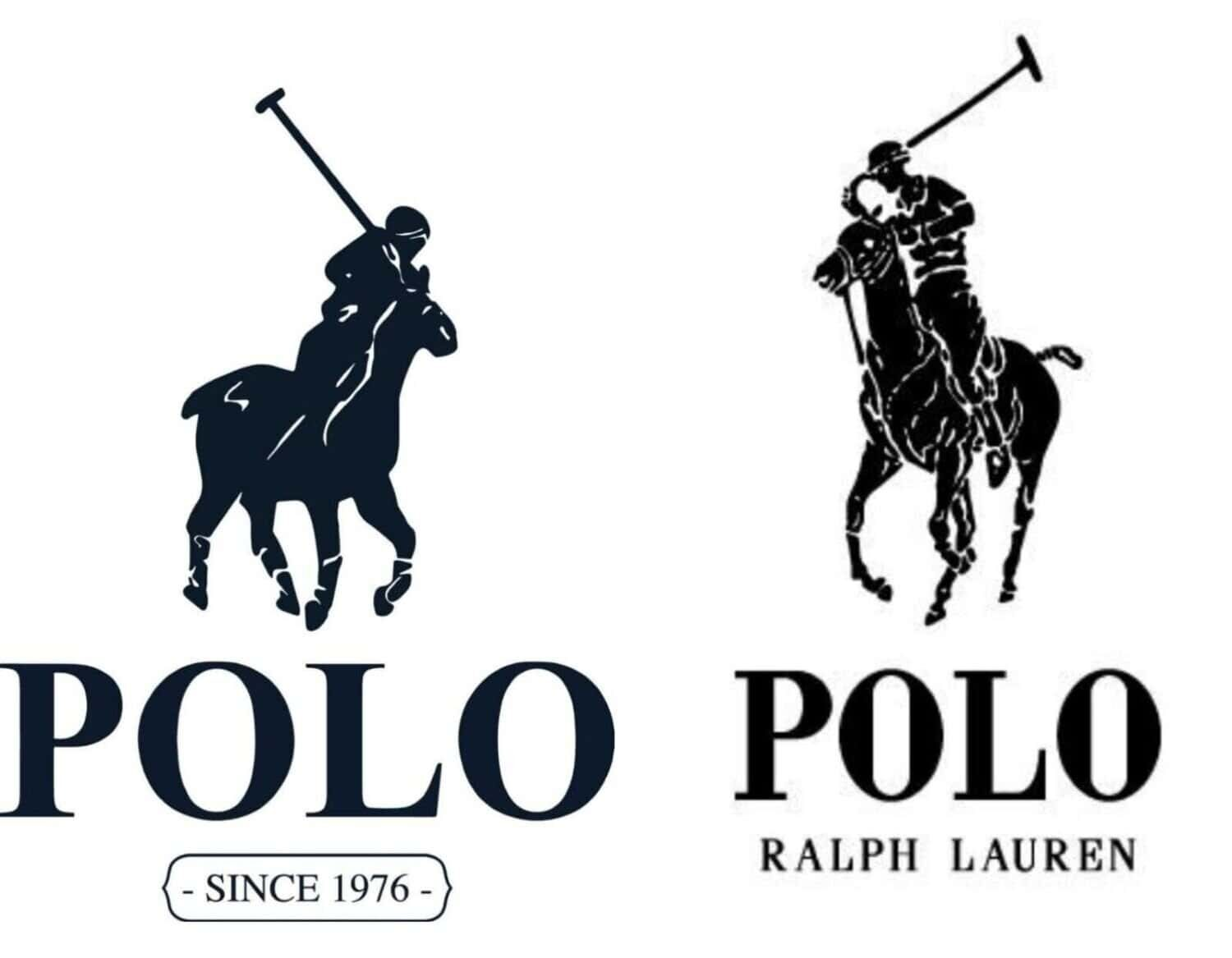
A 50-year conflict over identical branding and market identification has been resolved with Ralph Lauren’s purchase of South Africa’s Polo trademarks.
The long-running misunderstanding over South Africa’s Polo fashion labels is almost ended. Approved by the Competition Commission, Ralph Lauren Corporation will purchase local Polo trademarks from the LA Group. This purchase combines two different Polo brands that had operated independently for almost 50 years because One of the most recognizable fashion brands in South Africa has caused silent concern for decades.
As the Polo brand moves closer to operating under a single, unified identity, that long-standing uncertainty may finally be ending. This change follows a landmark decision by the Competition Commission that formally authorized Ralph Lauren Corporation to acquire the locally owned Polo trademarks from the LA Group, according to BusinessTech.
The certification marks a significant turning point for two labels with the same name that have coexisted in South Africa but have never shared ownership. Even while a lot of customers thought the local Polo shirts were associated with the expensive American brand, the reality has always been far more complicated.
BusinessTech pointed out that Ralph Lauren’s Polo line and the South African Polo brand have long operated as completely independent businesses, each with its own trademark protection and a unique place in the market. The recognizable horse-and-rider logo was first used by Ralph Lauren in 1967. Ralph Lauren was unable to sell its own Polo-branded clothing in South Africa after the LA Group registered a similar mark there over ten years later, in 1976.
According to legal experts cited in the article, Ralph Lauren’s 1977 attempt to contest the registration was unsuccessful because of outdated trademark statutes that gave local registrations precedence over worldwide brand awareness. As a result, South Africans have been purchasing Polo apparel that has nothing to do with Ralph Lauren for nearly fifty years, creating an odd retail reality.
Now that the acquisition has been approved, the Commission has said it does not anticipate any significant competition issues arising from the transaction. However, the approval is subject to a number of public interest requirements. An important provision is a temporary protection clause that prohibits the LA Group from terminating any permanent workers engaged in the manufacturing, marketing, or distribution of Polo-branded goods associated with the transferred assets.
Polo and Ralph Lauren have long had a complex relationship, but between 2015 and 2022, the LA Group got into a contentious legal dispute with the USPA, which further exacerbated matters. Stable Brands, the USPA’s representative in South Africa, marketed products under the US POLO ASSN. name and used a symbol like a polo player. In 2015, LA Group filed a trademark infringement lawsuit against the USPA. However, the matter took an unexpected turn when the High Court denied the LA Group access to over 40 trademarks.
Customers couldn’t tell which of the two different Polo brands they were buying because they were mostly ignorant of their existence, according to Stable Brands. A long-rumored cohabitation agreement between Ralph Lauren and the LA Group, which permitted Ralph Lauren to use the Polo name for cosmetics while the LA Group continued to use it for apparel, was also revealed by court records from that era.
In 2022, the Supreme Court of Appeal reversed the High Court’s ruling and returned the trademarks to the LA Group, causing another change in the legal landscape.