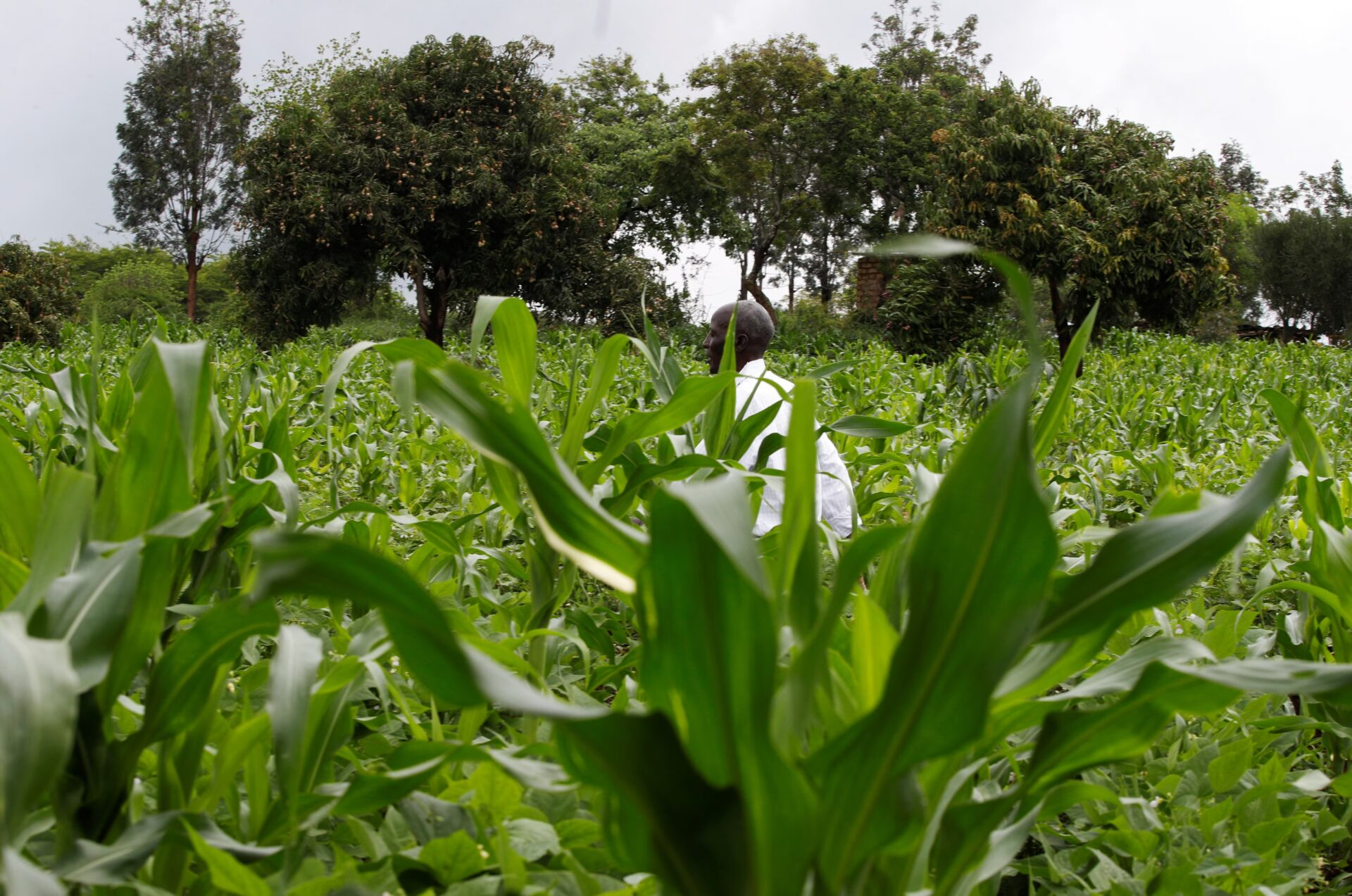
Kenyan small-scale farmers rejoiced and sung Thursday after a court decision upheld their freedom to continue the custom of sharing local seeds.
A “great victory” was declared by Kenya’s High Court, which ruled that a portion of a legislation that prohibited the practice was unconstitutional, according to farmer Samuel Kioko.
Because we will be planting seeds that we are accustomed to, it will be a relief for us farmers. After watching the court render the decision online, he remarked in Nairobi, the capital of Kenya, “We know where they come from, they are drought resistant, and they have been in our lineage all along for many years.”
Anyone who stored uncertified seeds from their harvests and subsequently sold or distributed them could be fined or imprisoned under the “Seed and Plant Varieties Act” of 2012. On its website, the state-run Kenya Plant Health Inspectorate Service claims that the law was designed to maximize yields and ensure seed quality.
In 2022, a group of smallholder farmers from all over Kenya petitioned the High Court to rule that the provisions of the law that imposed those penalties were unconstitutional.
Around 60 kilometers (40 miles) southeast of the capital, in Machakos town, a court decided that the statute did not treat farmers and commercial seed growers equally, according to a lawyer for the farmers.
A portion of the legislation “granted extensive proprietary rights to plant breeders, and farmers were not granted any corresponding rights.” Wambugu Wanjohi of the Law Society of Kenya stated that it thereby prioritized the interests of large corporations and commercial enterprises over those of farmers.
Greenpeace, a campaign group, described the decision as a “food sovereignty” victory.
The court’s decision reiterated that “the ancient right of farmers to save and share seeds supersedes commercial interests, reshaping the legal balance of power between communities and agribusiness worldwide.”