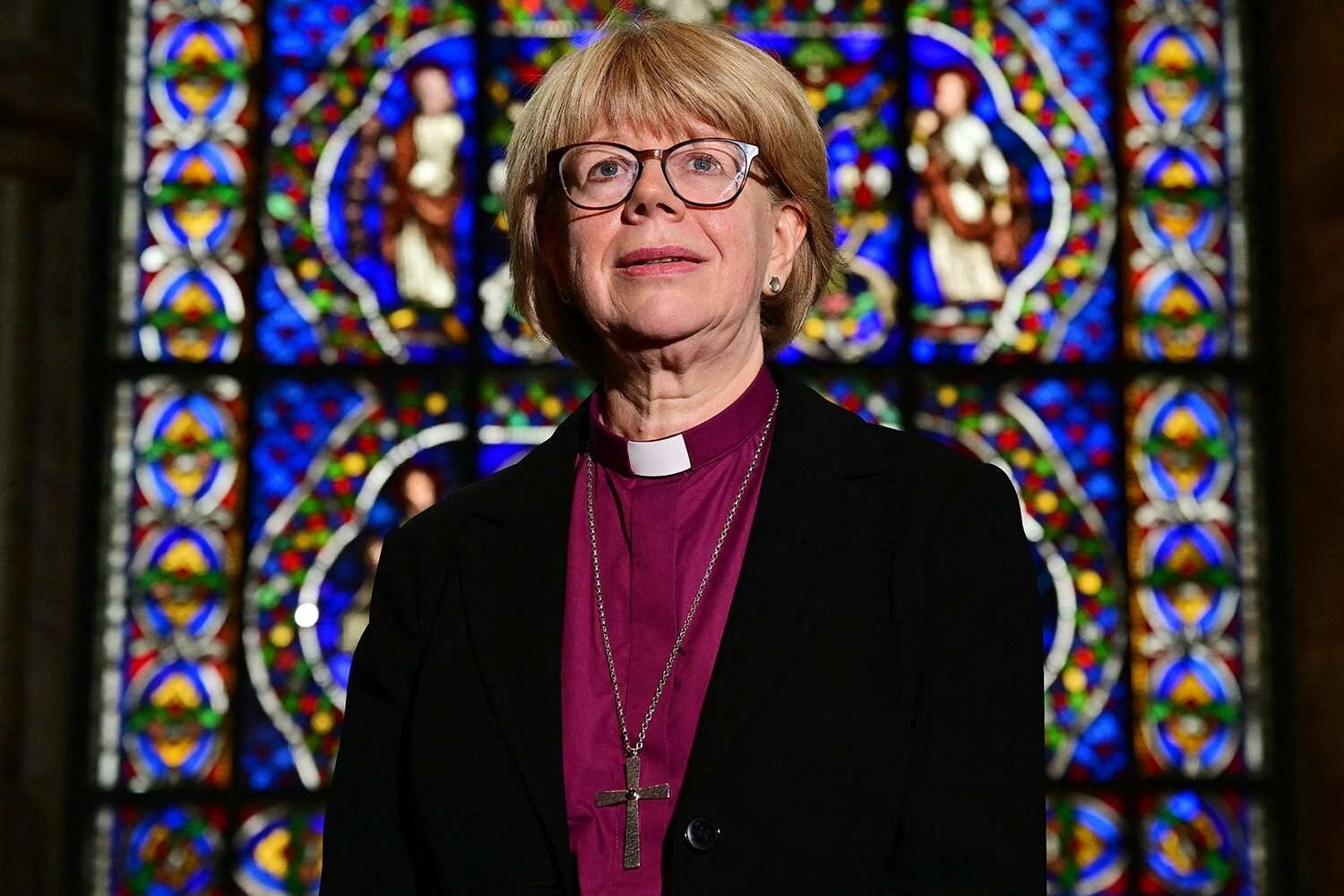
London Bishop Sarah Mullally, who is the first woman to hold the position of Archbishop of Canterbury, is in charge of 85 million Anglicans worldwide.
Sarah Mullally, the spiritual head of 85 million Anglicans worldwide, has been appointed the first woman to hold the position in the 1,400-year history of the Church of England as the new Archbishop of Canterbury.
Mullally, 63, has been the Bishop of London since 2018, making him the third-highest post in the Church, after the Archbishops of Canterbury and York. Prior to joining the ministry, she worked as a nurse at London hospitals before becoming the Chief Nursing Officer for England.
As I respond to Christ’s call to this new profession, I am motivated by the same spirit of service to God and others that inspired me when I first became a Christian as a youngster, she added.
“I have learned to listen deeply to people and to God’s gentle prompting at every step of that journey, through my nursing career and Christian ministry, in order to try to bring people together to find healing and hope.”
Mullally has been at the heart of significant debates within the Church of England, where he has led the organization’s marriage and sexuality process and supported the decision to allow pastors to bless same-sex couples in churches. She is also credited with modernizing her London diocese and assisting the church in responding to the Covid-19 pandemic.
Her appointment is made possible by reforms implemented by former Archbishop Justin Welby a decade ago that allowed women to be consecrated as bishops.
The Church had not had a leader since Welby resigned in November 2024 over his handling of the John Smyth abuse scandal. A damning independent assessment found that by 2013, the Church, including Welby, who was named archbishop that year, “knew, at the highest level,” about Smyth’s abuse. Church historian Diarmaid MacCulloch described Welby’s departure as “historic and without exact precedent in the 1,427-year history of Archbishops of Canterbury.”
Because of his role as Archbishop, Mullally will be the most visible spokesperson for a group that has long struggled to remain relevant in a nation that is increasingly secular. The role also has ceremonial significance because the Archbishop presides over significant royal occasions, such as coronations.
Her selection was handled by the Crown Nominations Commission, which was led by Jonathan Evans, the former head of MI5. Prime Minister Keir Starmer approved her nomination, which was suggested by the 17-member body, before King Charles III formally confirmed the position.
Evans said in July that he did not want to be associated with a shortlist of candidates “all of whom are white, Oxbridge, male, and come from the southeast of England.” He remarked that people are seeking someone who can “give genuine spiritual leadership and direction to the church” and who can “speak authoritatively and graciously with a Christian voice into the affairs of the nation.”
Evans declared her appointment and thanked the public for providing feedback during the consultation process. He said: “As Bishop Sarah gets ready to begin this new ministry in the upcoming months, I will be praying for her.”
To restore the Church’s legitimacy and relevance, Mullally must now contend with declining attendance, budgetary constraints, and the requirement to engage younger generations. When she is formally installed in Canterbury Cathedral in March 2026, she will become the 106th archbishop since Saint Augustine came in England in 597.