President Andry Rajoelina of Madagascar said Friday that he was willing to listen in order to find solutions to the issues plaguing the impoverished island nation, but he disregarded a statewide protest movement organized by young people calling for his resignation.
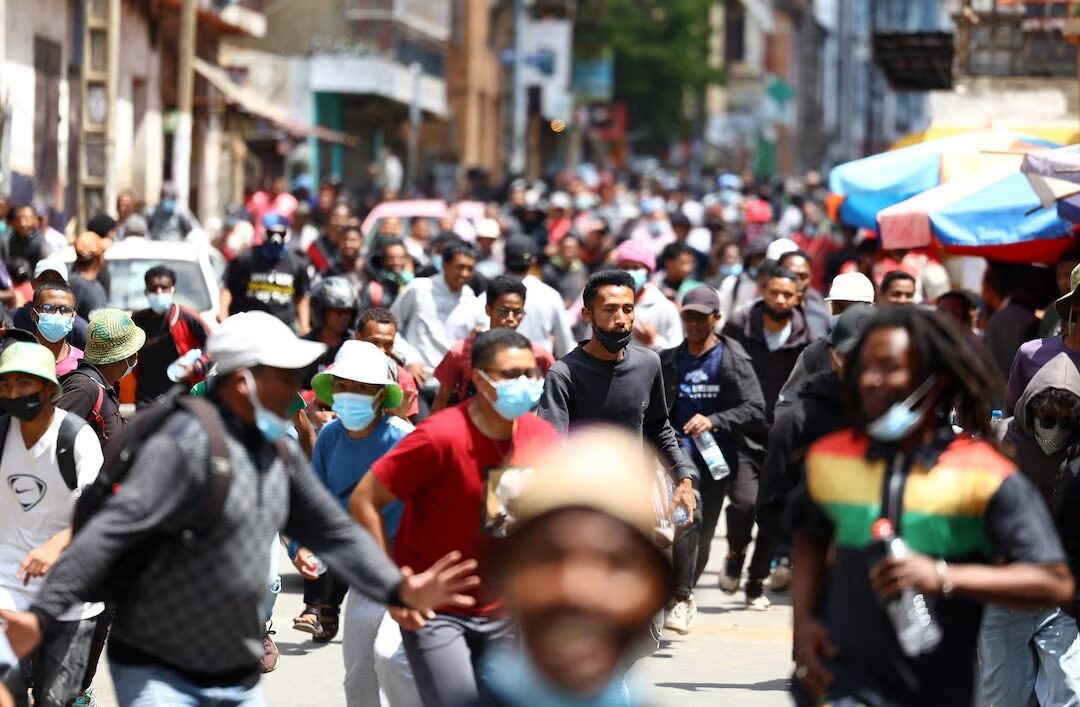
Drawing on popular dissatisfaction with high levels of poverty and corruption, the protests, which were sparked by similar “Gen Z” rallies in Kenya and Nepal, started last week and have since expanded into the biggest wave of disturbance Madagascar has witnessed in some years.
In an effort to calm popular outrage, the president dissolved the administration late Monday, but the action hasn’t solved the problems that first arose in the capital on September 25 amid growing power outages and water shortages.
At least 22 people were murdered and over 100 injured over the first few days of the protests, according to the UN. Such figures are rejected by the government.
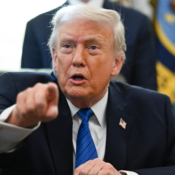
“No one gains from the country’s devastation. “I stand here, ready to listen, ready to lend a helping hand, and most importantly, ready to bring solutions to Madagascar,” Rajoelina declared during a speech that was streamed on his Facebook site.
While speaking to the United Nations last week in New York, he claimed without evidence that some politicians were planning to exploit the protests and had even contemplated a coup.
“Criticism of existing problems does not necessarily have to be expressed in the streets; it should be done through dialogue,” stated Rajoelina, who led large-scale anti-government rallies before taking power in a 2009 coup.
In a Friday post on his X account, Rajoelina claimed to have met with several groups over the previous three days to talk about the matter.
Real TV Madagasikara footage indicated that police used tear gas to disperse some protesters when the capital’s protests resumed on Friday following a one-day break.
Madagascar is an island republic in the Indian Ocean that is among the world’s poorest nations, despite its substantial biodiversity, mineral richness, and arable land.
The World Bank claims that between 1960 and 2020, real income per capita decreased by 45%. It attributes this poor economic performance to a lack of competition and transparency, as well as tight control over institutions and resources by an unaccountable elite.