Rwanda and the Republic of Korea work together to influence Rwandan companies’ future
Entrepreneurs and Small and Medium Enterprises (SMEs) in Rwanda have been told not to give up because they can’t get enough money. Instead, they should focus on making things valuable, using new technologies, and encouraging inclusive entrepreneurship. This will give them an edge when they go to financial institutions.
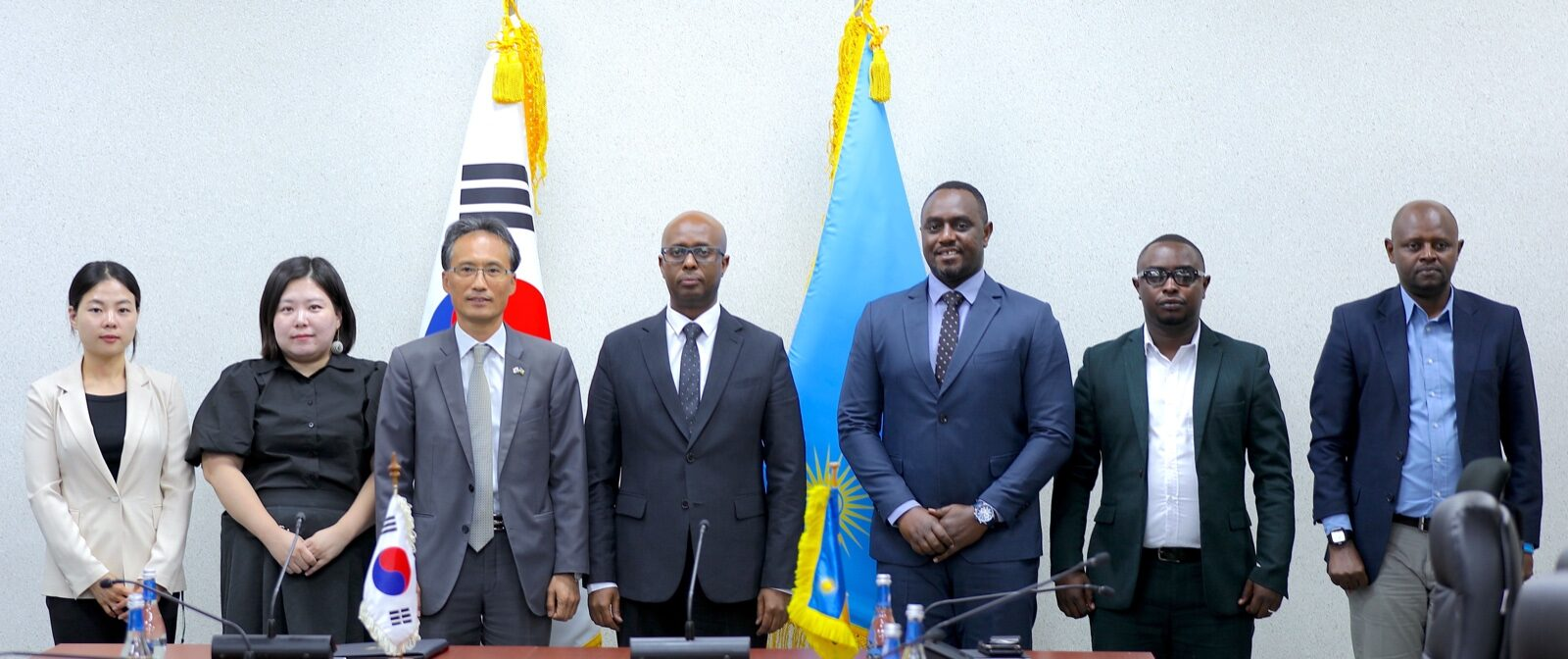
In Kigali on September 30, the first Rwanda-Korea Private Sector Growth Seminar took place. This is what the call was made during. The Embassy of the Republic of Korea in Rwanda put together the event, which brought together Korean and Rwandan business leaders, students, UN officials, and professors to talk about how South Korea’s policies and best practices could help Rwanda’s private sector grow in a way that lasts.
Ambassador of the Republic of Korea to Rwanda, Jeong Woo Jin, spoke at the event and drew similarities between the two countries’ histories. He said that both had tragic beginnings but rose from them and sought growth based on their people rather than their natural resources.
He said, “Both of our countries believe that innovation and entrepreneurship are important for making opportunities and promoting growth.”
“Both of us can work together to create a partnership that helps our country move forward and makes everyone rich.”
He said the seminar’s goals were to improve digital cooperation, strengthen the financial sector, and encourage young people to become entrepreneurs. These goals are still important to Rwanda’s National Strategy for Transformation 2 (NST2).
He said, “I think the discussion at the center will lead to new ideas and create new ways for our two countries to work together.”
President of the Korea-Africa Foundation, Amb. Kim Young Chae, praised Rwanda’s fast economic growth and form of government, calling the country a business-friendly place where companies can grow.
The seminar today is about a private sector that grows. It’s a chance to learn about and use the current economic policies of government and political leaders.
Call for new ideas and different ways to pay for them
Dr. Ozonnia Ojielo, the UN Resident Coordinator in Rwanda, stressed how important it is for African business owners to accept new ideas, formalization, and adding value to their companies. By doing this, they can promote inclusion and pave the way for the next generation of business owners.
He said that the fact that Official Development Assistance (ODA) is going down shows how important it is to find other ways to pay for things.
“We have to learn a new language to talk to each other,” he said. “But that also means you can now support a lot more on alternative financing mechanisms, like blended finance, to help the risk, because entrepreneurs can’t get loans from banks because of the risk.”
“ODA is not Africa’s future.” Africa will grow through trade and investment. We want to spend together so that everyone benefits, so we expect all of our partners to value our relationship with Africa.
He also talked about how important it is for countries in the South to work together and share technology. He said that partnerships with countries like the Republic of Korea, which sees Africa’s promise, are key to making entrepreneurship ecosystems strong.
Micro, Small, and Medium Enterprises (MSMEs) getting access to capital, promoting long-term growth in the private sector, and practical ways to improve cooperation between Rwanda and Korea were all talked about and presented at the seminar.
A professor at the University of Rwanda’s College of Business and Economics named Benjamin Mudaheranwa saw the event as a chance for Rwanda’s private sector to learn from Korea’s experience and use what they’ve learned in their own country.
He told business owners that they could earn the trust of banks by keeping accurate books, making solid business plans, and following professional standards.
“This is because you need to know how to run a business, even if you get free money, a grant, or anything else,” he said, adding that skilled and standard business practices will also help them break into the global market.
He stressed that the seminar gave young people a chance to look beyond the local market, compare local problems to answers and strategies used in other countries, and come up with creative ways to deal with their business problems.
For young people, he said, it’s good to know what’s going on in the world outside of their faith and the market they’re in.
Mari Joselyne Umutesi, a student at the University of Rwanda, said that the lecture helped her make connections, learn about how the private sector drives the economy, and realize how important it is to learn from other countries’ experiences in order to improve Rwanda’s business environment.
She said, “This is a great chance that makes us think globally instead of locally when we start businesses.”
You can reach new markets with technology if you know how to use it and have the right knowledge.