The US is days away from shutdown due to partisan impasse over healthcare and expenditure, with millions of people facing unclear outcomes.
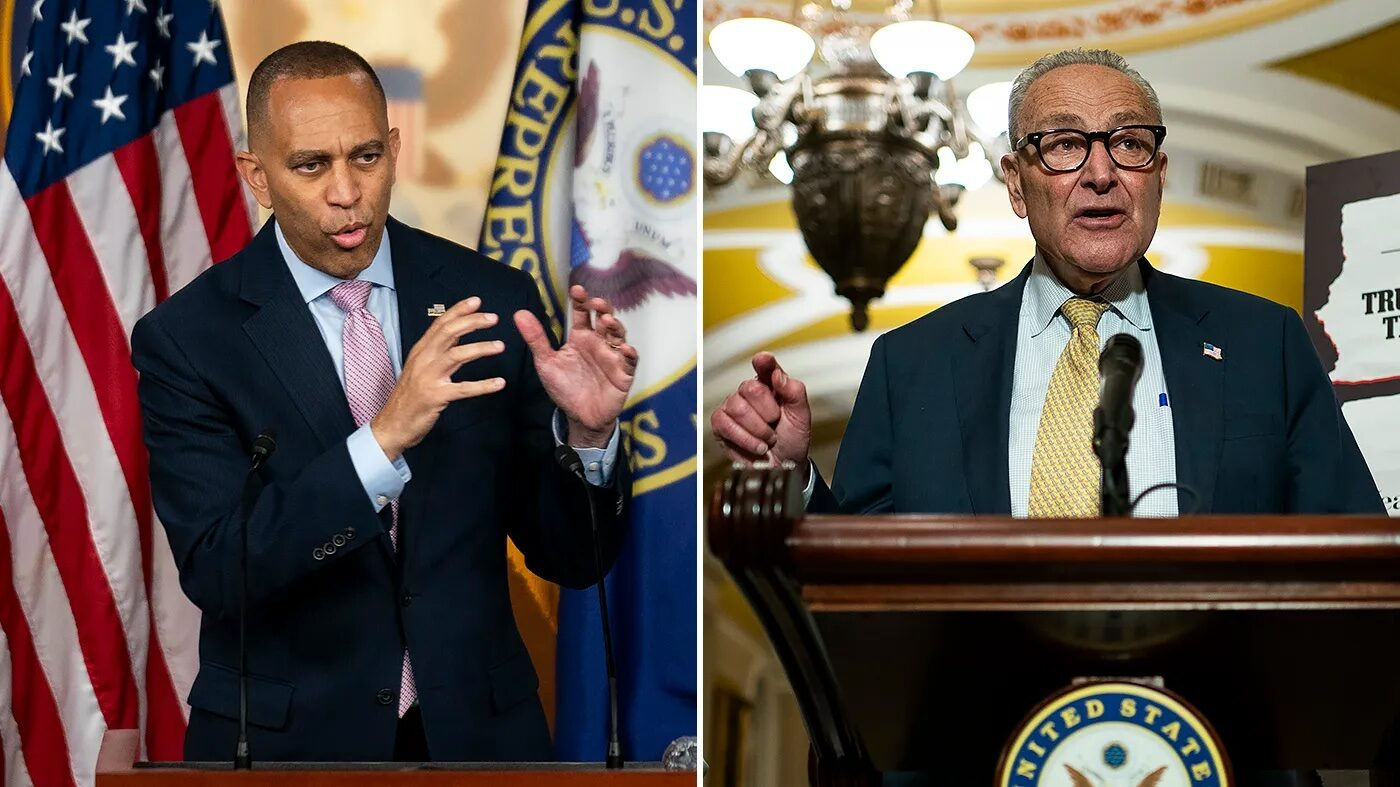
A high-stakes meeting between President Donald Trump and Democratic leaders ended without any agreement, increasing party differences and hardening attitudes on both sides, sending the United States hurtling toward a government shutdown Tuesday night.
After the White House negotiations, Vice President JD Vance accused Democrats of being responsible for the impending catastrophe.
Vance told reporters, “I think we’re going to a shutdown because the Democrats won’t do the right thing.” “You don’t put a gun to the American people’s heads and threaten to shut down your government unless you do exactly what the Democrats in the Senate and the House want you to do.”
Chuck Schumer, the leader of the Democratic Senate, expressed a similar pessimism, stating that there were still “very large differences” between the administration and Congress.
By promoting a temporary extension of current spending levels, Republicans are essentially postponing talks and enabling the Trump administration to carry out its unilateral budget cuts.
But Democrats are adamant that the practice must stop. Additionally, they want a legally enforceable agreement to extend government health insurance subsidies for Americans with low incomes, which Republicans have opposed because they expire at the end of the year.
Democrats believe that a short-term extension will just postpone a crisis and put millions of people at danger of losing access to reasonably priced healthcare. Republicans see it just as a way to buy time without giving up to what they refer to as Democratic “hostage tactics.”
Political clout is just as important in shutdown disputes as fiscal strategy. While Democrats view healthcare as a winning issue that demonstrates Republican opposition to protecting the weak, Republicans think Democrats will bear the majority of the blame for inciting a closure.
However, some Republicans don’t seem to mind the possibility of a protracted shutdown. In order to further Trump’s Department of Government Efficiency (Doge) cuts, White House budget head Russ Vought published a letter explaining how the administration may utilize the shutdown to permanently shut down “nonessential” programs.
Schumer brushed the gesture aside as intimidation.
He claimed that since day one, Donald Trump has been firing federal employees to intimidate rather than to govern. “This has nothing to do with government funding and is nothing new.”
After being criticized earlier this year for making concessions to Republicans, Democrats are feeling pressure from their base to not back down. Many think that in order to show solidarity with Trump’s tough budget-cutting plan, a shutdown might be required.
Shutdowns, however, are perilous politically and are unpredictable. The previous one was the longest in US history, lasting 35 days during Trump’s first term. Only when unpaid federal air traffic controllers threatened to cause travel chaos across the country by staging a de facto protest by remaining at home did it come to an end.
Both sides appear ready for a brawl this time, but there could be dire repercussions. The stakes include federal employment rolls, public trust in government, and vital services for low-income Americans.
The dispute is now more about who can withstand the political agony longer than it is about fiscal math as the shutdown deadline draws near.