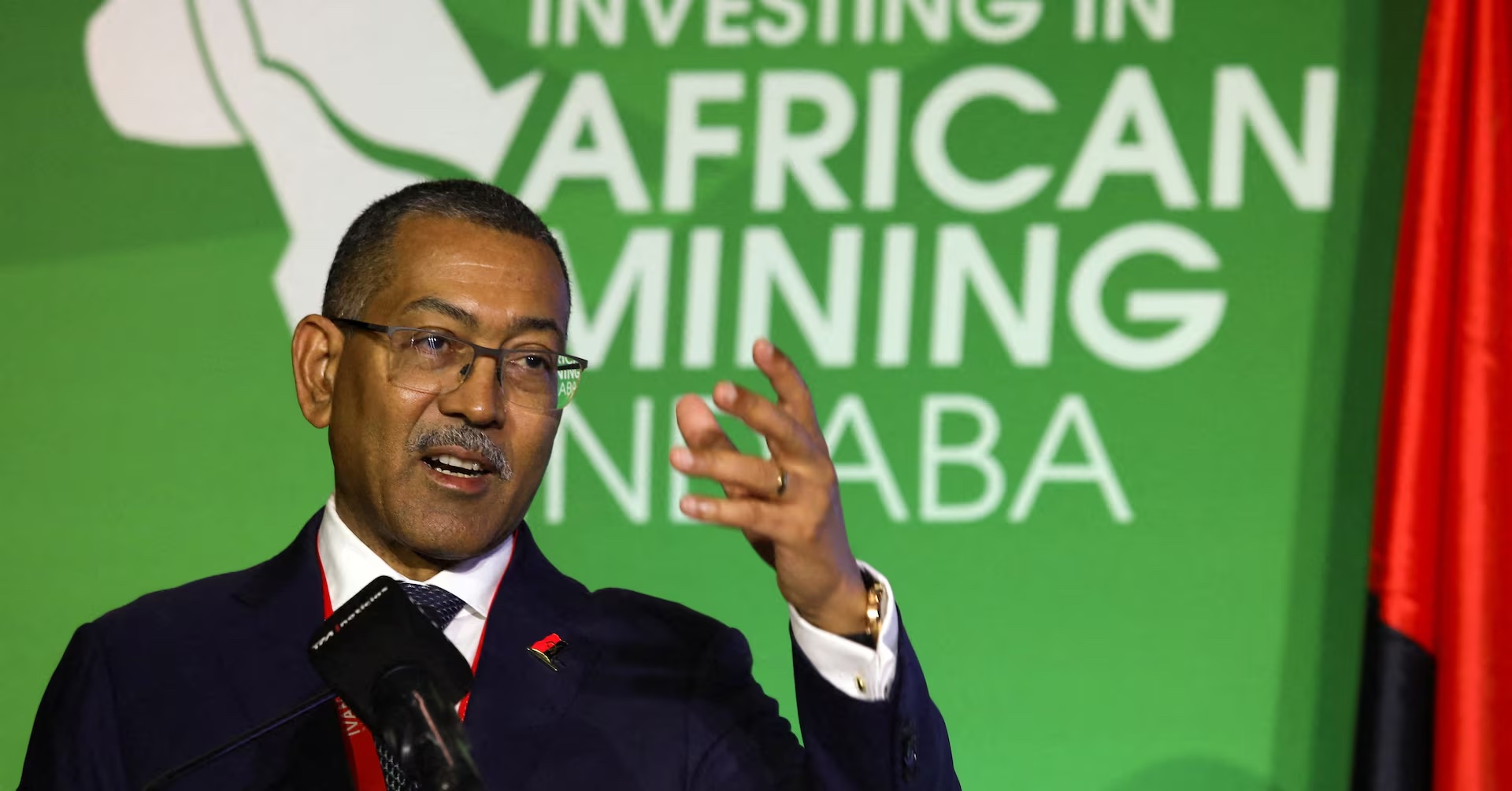
Angola’s oil and gas minister announced Monday that the country’s first oil refinery since independence fifty years ago, the 30,000 barrel per day Cabinda, will start producing fuel by the end of the year.
As the government works to remove fuel subsidies that have sparked fatal protests, the project, which would be Angola’s second oil refinery, will help reduce the country’s reliance on expensive fuel imports. Angola is the second-largest producer of petroleum in sub-Saharan Africa.
Diamantino Azevedo, the minister of oil and gas, stated at an inauguration ceremony that was also attended by the president of Angola, “Today we can confirm that the Cabinda refinery is entering its decisive phase and that by the end of the year, Angola will have the first commercial derivatives produced at this unit.”
The plant’s major shareholder, Gemcorp, an emerging markets investment business located in London, originally stated that the first phase will provide 5–10% of the nation’s fuel demands.
Sonangol, a state-owned oil firm, provides feedstock for the refinery and owns the remaining 10% of the shares. According to Sonangol, Angola imports over 3.3 million metric tons of refined petroleum products annually, or about 72% of its domestic fuel use.
Gemcorp told Reuters last year that the first phase’s investment had reached $500 million to $550 million, above earlier projections as inflation and the pandemic increased prices.
A second phase is anticipated to bring a hydrocracking machine that produces diesel and jet fuel online and increase crude processing capacity to 60,000 bpd.
Construction of the projected 100,000 bpd Soyo refinery is being reviewed, according to Azevedo, because of limitations put up by the private developer, the U.S.-led Quanten Consortium.
But after a careful analysis and “significant cost reduction,” Azevedo stated without going into greater detail, work on the Lobito refinery would resume.
An executive at Sonangol told Reuters earlier this year that the company was negotiating with European and Chinese banks to close a $4.8 billion funding gap for the Lobito refinery, which produces 200,000 barrels per day.