The Trump administration has revived a 2020 plan that critics claim is discriminatory by proposing to cap journalist, exchange, and student visas.
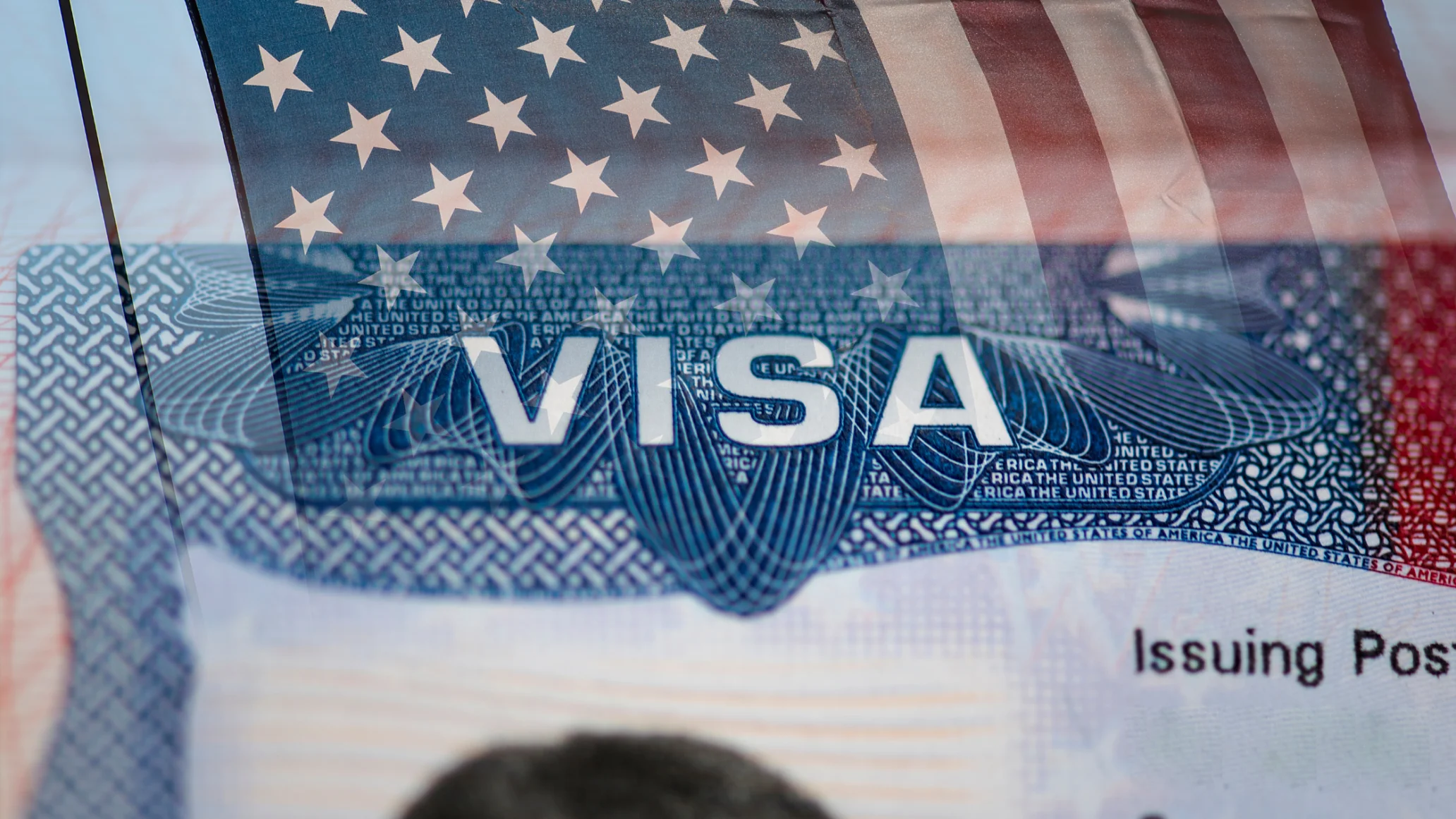
In the most recent phase of its extensive immigration crackdown, the Trump administration has announced a proposed rule to limit the length of visas for foreign students, cultural exchange tourists, and media professionals.
Three visa categories—F visas for international students, J visas for participation in cultural exchanges, and I visas for foreign journalists—would be subject to duration limits under the idea, which was unveiled on Wednesday. These visas are currently valid for the length of the holder’s media assignment, exchange program, or study program.
The latest proposal would limit journalist visas to 240 days, which would be further lowered to 90 days for Chinese nationals, and limit student and exchange visas to four years. If holders wanted to stay in the US after specified times, they would have to file for extensions.
The adjustment, according to the administration, is required to improve control of visa holders.
According to the proposal, the rule would assist in “monitoring and overseeing” individuals who are enrolling in temporary programs.
In 2024, there were around 1.6 million foreign students on F visas, according to figures from the US government. Approximately 13,000 foreign journalists and 355,000 exchange visitors received J and I visas in the same fiscal year.
The action has drawn harsh criticism from China, especially because it places shorter restrictions on Chinese reporters. What it described as “discriminatory practices adopted by the US against specific countries” were condemned by its foreign ministry.
The resolution resurrects a similar idea that was first filed in 2020 during Donald Trump’s first term but was later withdrawn by the Biden administration in 2021. It will be available for public discussion for 30 days. The concept was opposed at the time by NAFSA, a global group of foreign educators, which claimed it would deter cross-cultural interaction and make US colleges less competitive internationally.
The plan comes after Trump tightened US immigration laws more broadly. His administration has previously denied legal status to hundreds of thousands of migrants and revoked student visas and green cards for some foreign nationals due to ideological concerns. US Citizenship and Immigration Services declared earlier this month that it would restart neighborhood visits to citizenship candidates in order to evaluate their commitment to “American ideals,” moral character, and residency.
Adoption of the visa restrictions would drastically alter the American environment for journalism, international education, and cultural interchange, thereby escalating relations with foreign governments and putting US universities to the test in attracting top talent from around the world.